Smoking remains one of the leading preventable causes of illness and premature death across the world, posing a serious threat to human health regardless of age, gender or social status. Despite growing awareness of its harmful effects, millions of people continue to smoke cigarettes and other tobacco products, exposing themselves and those around them to life-threatening diseases.
Health experts have repeatedly warned that smoking is not merely a bad habit but a dangerous addiction that can gradually destroy vital organs, weaken the body’s defence system and reduce life expectancy. From lung cancer to heart disease, stroke and chronic respiratory conditions, the consequences of smoking can be devastating.
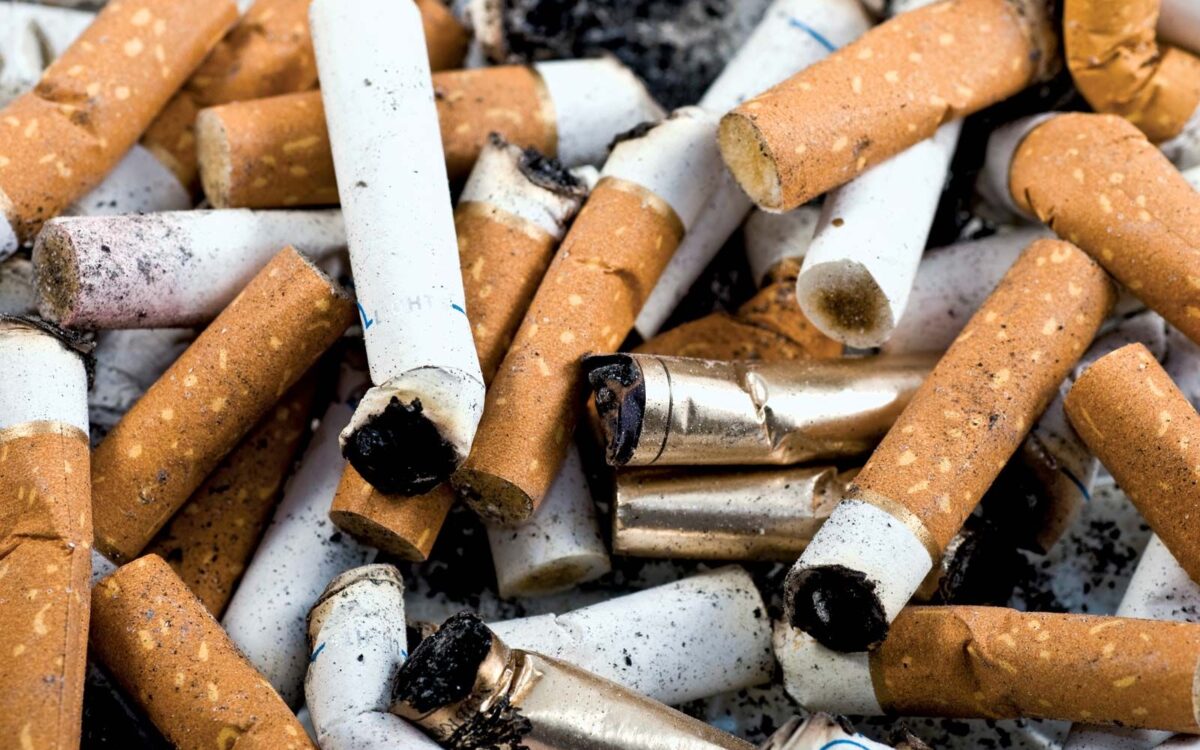
Smoking involves inhaling smoke produced by burning tobacco. Cigarettes contain thousands of chemicals, many of which are harmful to the human body. Some of these chemicals are toxic, while others are known to cause cancer. Nicotine, one of the major substances found in tobacco, is highly addictive and makes it difficult for smokers to quit even when they understand the dangers.
MAJOR HEALTH DANGERS OF SMOKING
One of the most serious consequences of smoking is lung cancer. Tobacco smoke contains cancer-causing substances that damage the cells lining the lungs. Over time, repeated exposure can cause abnormal cell growth, eventually leading to cancer. Although not every smoker develops lung cancer, smoking significantly increases the risk of the disease.
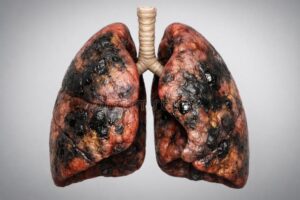
Smoking also damages the respiratory system. It irritates the airways, destroys the tiny hair-like structures that help clear mucus and dirt from the lungs, and reduces the lungs’ ability to function properly. This can lead to persistent coughing, excessive mucus production, shortness of breath and chronic obstructive pulmonary disease (COPD).
COPD is a serious lung condition that makes breathing increasingly difficult. It includes chronic bronchitis and emphysema, both of which can cause permanent damage to the lungs. People living with advanced COPD may struggle to carry out simple daily activities because of breathing difficulties.
Another major danger is cardiovascular disease. Smoking damages blood vessels, increases blood pressure and makes the blood more likely to clot. These effects increase the risk of heart attacks, strokes and other serious circulation problems. Even people who smoke relatively few cigarettes can expose themselves to significant health risks.
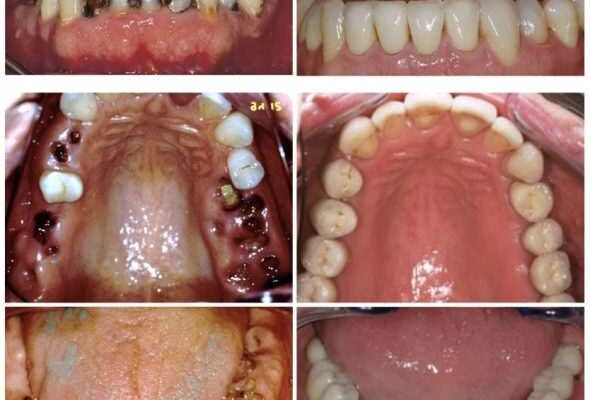
Furthermore, smoking can increase the risk of cancers affecting other parts of the body, including the mouth, throat, oesophagus, bladder, pancreas, kidneys and cervix.
THE DANGER OF SECONDHAND SMOKE
The dangers of smoking do not affect smokers alone. People who inhale smoke from cigarettes smoked by others are exposed to secondhand smoke, which also contains harmful chemicals.
Children, pregnant women, elderly people and individuals with existing respiratory conditions are particularly vulnerable.
Children exposed to secondhand smoke face an increased risk of respiratory infections, asthma attacks, ear infections and other health complications. Pregnant women exposed to tobacco smoke may also face increased risks of pregnancy complications, including low birth weight and premature birth.
Health professionals therefore encourage smokers to avoid smoking around other people, particularly in homes, vehicles, schools and public places.
SMOKING AND MENTAL HEALTH
Although some smokers believe cigarettes help them relax or manage stress, nicotine addiction can create a cycle of dependence.
When nicotine levels fall, smokers may experience irritability, anxiety, restlessness and difficulty concentrating. Smoking temporarily relieves these withdrawal symptoms, making individuals believe that cigarettes are helping them manage stress.
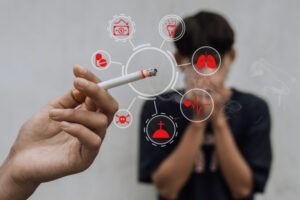
However, this temporary relief does not address the underlying causes of stress. Instead, it reinforces nicotine dependence and makes quitting more difficult.
Young people are particularly at risk because exposure to nicotine during adolescence can affect the developing brain and increase the likelihood of long-term addiction.
SMOKING AND ITS EFFECTS ON REPRODUCTIVE HEALTH
Smoking can also affect reproductive health in both men and women. In men, it may contribute to erectile dysfunction by damaging blood vessels and reducing blood circulation.
In women, smoking can affect fertility and increase the risk of complications during pregnancy. It is also associated with premature delivery, low birth weight and other adverse pregnancy outcomes.
These risks highlight the importance of avoiding tobacco products, especially among individuals planning to start a family.
WHY PEOPLE CONTINUE TO SMOKE
Despite the known dangers, several factors contribute to continued smoking. These include peer pressure, curiosity, stress, social influence, addiction and exposure to smoking at home or within social groups.
Some young people begin smoking because they want to appear mature, fit into a particular social circle or imitate celebrities and friends who smoke.
Others develop the habit through experimentation without fully understanding the long-term consequences.
Nicotine addiction makes quitting particularly difficult because it affects the brain’s reward system. As dependence develops, smokers may find themselves reaching for cigarettes repeatedly, even when they genuinely want to stop.
HOW TO PREVENT THE DANGERS OF SMOKING
Preventing smoking-related diseases begins with avoiding tobacco products. Individuals who do not smoke should resist pressure to experiment with cigarettes, while current smokers should be encouraged to seek professional support to quit.
Some important preventive measures include:
- Avoid starting smoking: Young people should understand that experimenting with cigarettes can lead to nicotine addiction.
- Quit smoking: People who currently smoke should seek help from qualified healthcare professionals. Counselling, behavioural support and appropriate stop-smoking medications can improve the chances of successfully quitting.
- Avoid secondhand smoke: Homes, offices and vehicles should be kept smoke-free to protect non-smokers from harmful tobacco exposure.
- Educate young people: Parents, teachers and community leaders should regularly educate children and teenagers about the dangers of tobacco use.
- Seek medical advice: Individuals experiencing persistent coughing, chest pain, breathing difficulties or other unusual symptoms should visit a healthcare facility for proper assessment.
- Build healthy habits: Regular physical activity, balanced nutrition and healthy ways of managing stress can support overall well-being and make it easier to maintain a smoke-free lifestyle.
QUITTING SMOKING IS NEVER TOO LATE
One important message from health professionals is that quitting smoking has health benefits at any age. Although some damage caused by smoking may be permanent, stopping tobacco use can significantly improve health and reduce the risk of developing serious diseases.
According to established public health evidence, the heart rate and blood pressure begin to improve shortly after quitting. Carbon monoxide levels in the blood also fall, allowing the blood to carry oxygen more effectively.
Over time, circulation and lung function can improve, while the risk of heart disease, stroke and several cancers gradually decreases.
People who have smoked for many years should not assume that quitting is useless. Every attempt to stop smoking is a positive step towards protecting their health.
Smoking is a dangerous and preventable public health problem that continues to threaten millions of lives. Its effects extend beyond lung damage, increasing the risk of cancer, heart disease, stroke, reproductive complications and other serious health conditions.
The responsibility to fight smoking-related diseases should not be left to healthcare professionals alone. Parents, schools, government agencies, religious institutions and community organisations all have important roles to play in promoting tobacco-free lifestyles.
Individuals who smoke should be encouraged rather than condemned, as addiction often requires patience, support and professional assistance to overcome.
The message is simple: Do not start smoking, protect yourself from secondhand smoke and seek help if you are struggling to quit.
Your health is too valuable to sacrifice for a habit that can gradually take away your life. Choosing to live smoke-free today is an investment in a healthier and longer future.