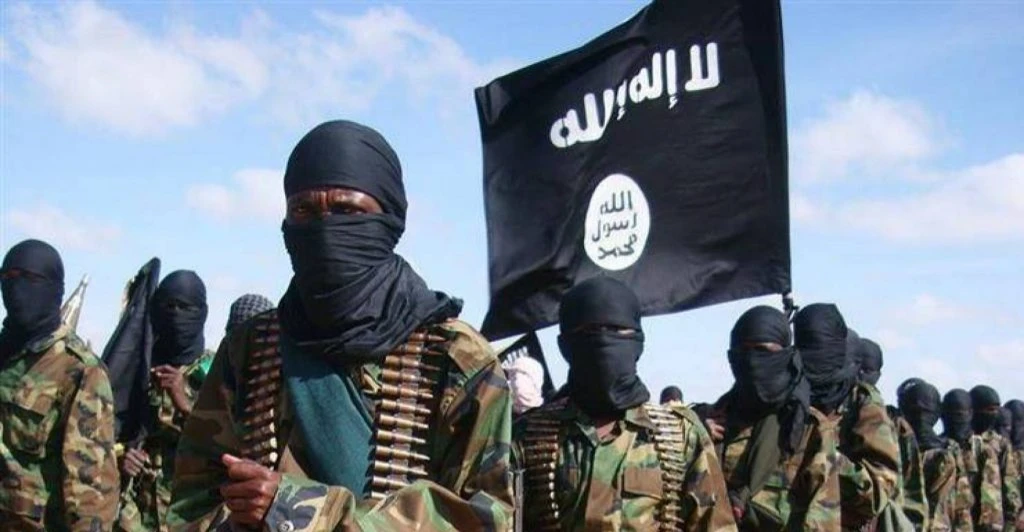
An Iraqi court has sentenced eight French nationals to life imprisonment for joining the Islamic State (IS) group, as the country continues prosecuting thousands of suspected jihadists.
An AFP correspondent reported that the sentences were handed down on Thursday. Two other French defendants received 15-year prison terms, while verdicts for 10 others were postponed.
The 10 defendants sentenced on Thursday are among 47 French nationals who have been tried in Iraq since September after being transferred from Syria last year.
Before Thursday’s rulings, 15 members of the group had already received life sentences, while another defendant was sentenced to 15 years in prison.
Among those still awaiting judgment is Adrien Guihal, who was identified as the person who voiced IS’s claim of responsibility for the 2016 attack in Nice, France.
The attack, in which a man drove a truck into crowds celebrating Bastille Day, killed 86 people.
His verdict was postponed.
Also awaiting judgment are Thomas Collange, whose wife was sentenced to 10 years in prison in France last year, and Quentin Le Brun, who appeared in an IS propaganda video.
Romain Garnier, who worked for the group’s radio operation, was among those sentenced to life imprisonment on Thursday.
During their hearings, most of the defendants pleaded guilty and expressed regret over joining IS.
Some also asked to be repatriated to France.
Guihal told the court during an earlier hearing that he had renounced the group’s activities, saying he had changed and become a new person.
Collange, who converted to Islam in the early 2000s, said he regretted taking his wife and children to Syria.
He also claimed to have abandoned the group after attempting to escape in 2017.
Thousands of suspected IS members face prosecution
Iraq’s prisons, already holding large numbers of suspected IS members, have received thousands of additional detainees transferred from neighbouring Syria.
France has repatriated hundreds of family members of jihadists but has declined to bring back most men accused of involvement with the group, leaving them to face prosecution abroad.
Several defendants have questioned why they are being tried in Iraq when they claim to have operated only in Syria.
However, Baghdad is prosecuting them under its anti-terrorism laws for joining IS, regardless of whether their activities took place in Iraq or Syria.
The IS group swept across Iraq and Syria in 2014, carrying out massacres and forcing women and girls into sexual slavery. It attracted supporters from Europe and other parts of the world.
Iraq, backed by a US-led coalition, declared victory over IS in 2017, while Kurdish-led forces supported by Washington defeated the group in neighbouring Syria two years later.
Despite those military defeats, Iraq continues to investigate the group’s activities, with mass graves still being uncovered and accounts of atrocities awaiting further examination.
Iraqi courts have handed down hundreds of life and death sentences to people convicted of terrorism-related offences, including foreign fighters.
However, some human rights organisations have criticised the trials as rushed and lacking adequate due process.
In February, Iraq received more than 5,700 IS detainees from over 60 countries after the United States transferred them from Syria, where they had been held in Kurdish-run prisons for years.
Trials involving the group began on Sunday, with the first hearings focusing on Syrian nationals.