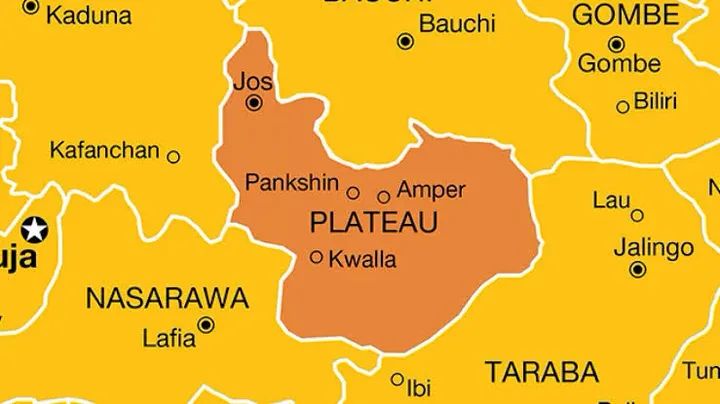
JOS, NIGERIA — Seventeen residents of Chando Zrreci, also known as Tafi Gana, in Bassa Local Government Area of Plateau State, have been buried in a mass funeral following a deadly overnight attack that left families devastated and renewed demands for justice.
The victims were buried on Thursday, November 26, 2026, after armed men reportedly invaded the community in Irigwe Chiefdom at about 11pm on Wednesday, November 25.
The Irigwe Youth Movement, in a security report signed by its National Publicity Secretary, Joseph Yonkpa, said the attackers killed 17 residents and injured four others during the assault.
The victims included elderly residents, women, young adults and children. Among those identified were Moses Oko, 70; Maingwa Zere Rangya, 60; Danladi Ishaku, 45; Luka Danladi, 21; Elisha Luka, 18; David Danladi, 10; Ishaya Goslow, 18; and Zhime Ngaza, 75.
Others were Lami Danladi, 30; Isi Ishaku, 18; Thank God Danladi, 18; Gideon Joseph, 25; Ladi Abba, 65; Ruth Istifanus, 20; Mary Keyi, 18; Lazarus Musa, 13; and Bitrus Zere, 14.
The four injured residents were identified as Peter Istifanus, two; Sarah Danladi, 12; Laraba Musa, 55; and Lami Joseph, 32. They reportedly sustained gunshot and machete injuries and were receiving medical attention at an undisclosed location.
The youth movement described the incident as a devastating attack on the community, calling on security agencies to identify and arrest those responsible.
It also alleged that the latest violence followed an earlier attack on a young resident at Rewienku on November 23, during which the victim’s palm was reportedly severed with a machete. The group said the incident had raised fears among residents before the subsequent overnight assault.
Beyond the loss of lives, the organisation alleged that farmlands in the area had also been targeted, with several hectares of irrigation and dry-season farms reportedly set ablaze.
It warned that the destruction of agricultural land threatened the livelihoods of families who depend on farming for food and income.
The group called on the Federal Government, Plateau State Government and security agencies to strengthen protection for vulnerable communities and ensure that the perpetrators were brought to justice.
It also appealed to young people in the affected area to remain calm and avoid reprisals while investigations continued.
The Plateau State Government condemned the attack, describing the killings and destruction of property as deeply distressing. In a statement issued by the Commissioner for Information and Communication, Joyce Ramnap, the government said Governor Caleb Mutfwang had directed security operatives to take strategic measures to protect residents.
The government further disclosed that relative calm had returned to the affected area, while assuring residents that it would continue working with security agencies, traditional institutions and other stakeholders to improve security.
It extended condolences to the bereaved families and urged residents to remain vigilant, cooperate with security personnel and avoid inflammatory statements or the circulation of unverified information that could worsen tensions.
The mass burial took place amid growing concerns over recurring attacks in rural communities across Bassa and other parts of Plateau State, where violence has repeatedly threatened lives, farming activities and the stability of local communities.
However, reports on the casualty figure have differed. The Irigwe Development Association initially reported 16 deaths and four injuries, while the Irigwe Youth Movement subsequently put the number killed at 17. A resident later told Vanguard that three injured victims had died in hospital, raising the reported toll to 19. These figures had not been independently reconciled by security authorities as of Thursday.
The Plateau State Police Command and Operation Enduring Peace had not issued an independently confirmed casualty figure in the reports available at the time.
The latest tragedy has renewed calls for more effective intelligence gathering, timely security intervention and accountability for attacks on rural communities.
For the bereaved families, the mass burial marked a painful farewell to their loved ones. For the wider Irigwe community, it also underscored the urgent need for lasting protection, justice and an end to repeated violence.