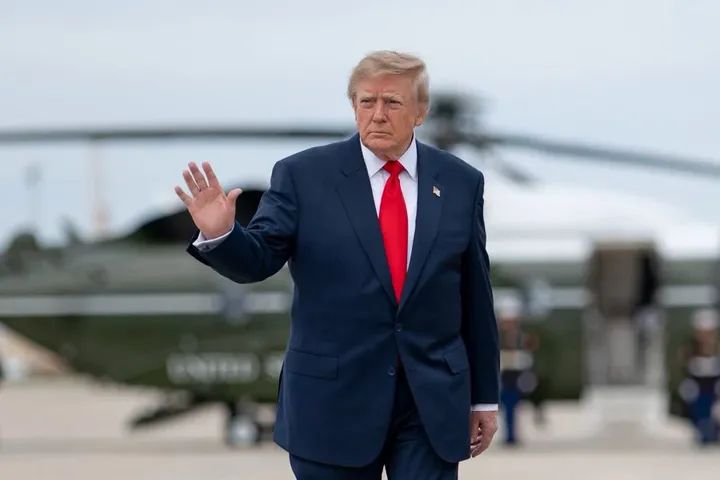
WASHINGTON, UNITED STATES — US President Donald Trump says he has urged Russian President Vladimir Putin to withdraw military aggression from territories across Europe, expressing hope that the intervention could accelerate negotiations to end the war between Russia and Ukraine.
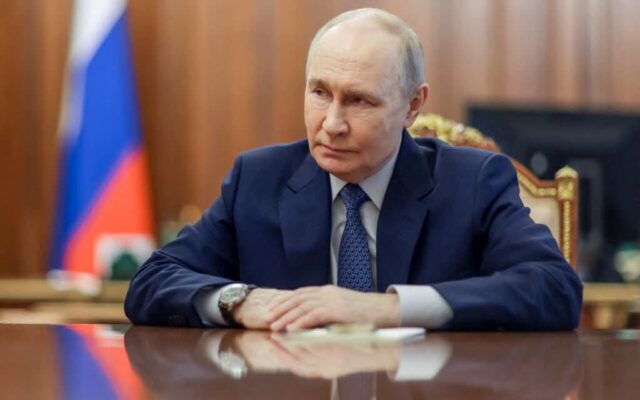
Trump disclosed the conversation on Thursday, November 26, 2026, in a post on his Truth Social platform, revealing that he raised the issue during his meeting with Putin in Shenzhen, China, the previous week.
The American president said he devoted considerable time to discussing the need for Russia to stop military aggression across European territories, arguing that such a move could create conditions for a rapid peace agreement between Moscow and Kyiv.
“During my conversations in China with President Vladimir Putin, of Russia, I spent a lot of time talking about the fact that I would like to see President Putin pull back all Military aggression against territories throughout Europe,” Trump wrote.
He added that his appeal was made in the hope that an agreement between Russia and Ukraine could be reached quickly.
Trump described a potential peace deal as a strong possibility, pointing to the continuing human cost of the conflict.
“Thousands of people are being killed each and every month, A COMPLETE BLOODBATH,” he said.
However, Trump did not disclose Putin’s response to the request or provide details of any commitment made by the Russian leader. He also did not specify precisely which European territories he was referring to or explain what military activities Moscow would be expected to halt.
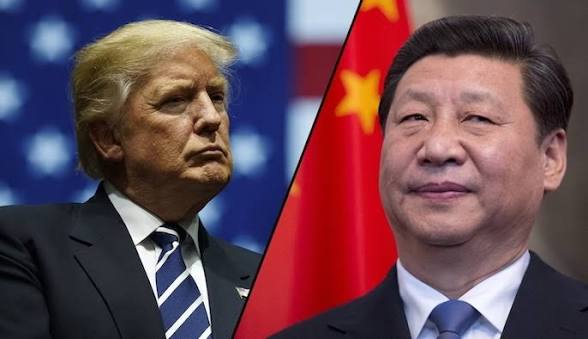
The statement represents a notable development in Trump’s public messaging about Putin. During their meeting in Shenzhen on November 19, the US president referred to the Russian leader as his friend, welcoming him warmly during their encounter.
The meeting brought Trump, Putin and Chinese President Xi Jinping together for discussions on international security and other geopolitical issues, including the war in Ukraine.
Trump’s latest comments also followed his meeting with NATO Secretary-General Mark Rutte at his Mar-a-Lago residence in Florida on Wednesday, November 25.
After their discussions, the two leaders issued a joint statement emphasising the importance of preventing Russia from taking actions that could intentionally or unintentionally widen the war in Ukraine.
The statement also stressed the need for a peaceful resolution to the conflict as quickly as possible.
The diplomatic engagement comes amid growing concern among European governments over Russian military activities and what they regard as provocations beyond Ukraine’s battlefields.
Poland recently accused Russia of violating its airspace, with reports indicating that three Russian cruise missiles had landed on Polish territory. Estonia has also linked an arson incident to Russia’s military intelligence service, adding to regional security concerns.
These developments have heightened anxiety among NATO members about the possibility of the war expanding beyond Ukraine and threatening other European countries.
Russia launched its full-scale invasion of Ukraine in February 2022, triggering the largest war in Europe since the Second World War. The conflict has caused extensive destruction, displaced millions of people and resulted in significant military and civilian casualties.
Trump has repeatedly expressed his desire to negotiate an end to the war, presenting direct engagement with Putin as an important part of his diplomatic approach.
Nevertheless, efforts to secure a settlement have encountered major obstacles, particularly disagreements over territorial control in eastern Ukraine, security guarantees and the conditions under which fighting would stop.
The position of European governments has also remained central to the negotiations, given their financial and military support for Kyiv and their concerns about the wider implications of any agreement.
Trump’s latest appeal came amid criticism of the administration’s approach to the conflict. Some European officials and commentators have questioned whether Washington is applying sufficient pressure on Moscow, while the White House has maintained that direct engagement offers an opportunity to reduce tensions.
Separately, Trump’s son-in-law and diplomatic envoy, Jared Kushner, recently described Putin as a political grandmaster during an interview, while discussing the Russian president’s approach to the conflict and the prospects for improved relations with Washington.
Kushner also acknowledged that territorial disagreements remained a major obstacle to reaching an agreement.
For now, Trump’s statement has not been accompanied by details of a new agreement, ceasefire arrangement or confirmed change in Russia’s military posture.
The immediate diplomatic challenge remains translating public appeals into concrete commitments from Moscow and Kyiv. Whether Putin will respond positively to Trump’s latest request, and whether the engagement will produce meaningful progress towards ending the war, remains uncertain.