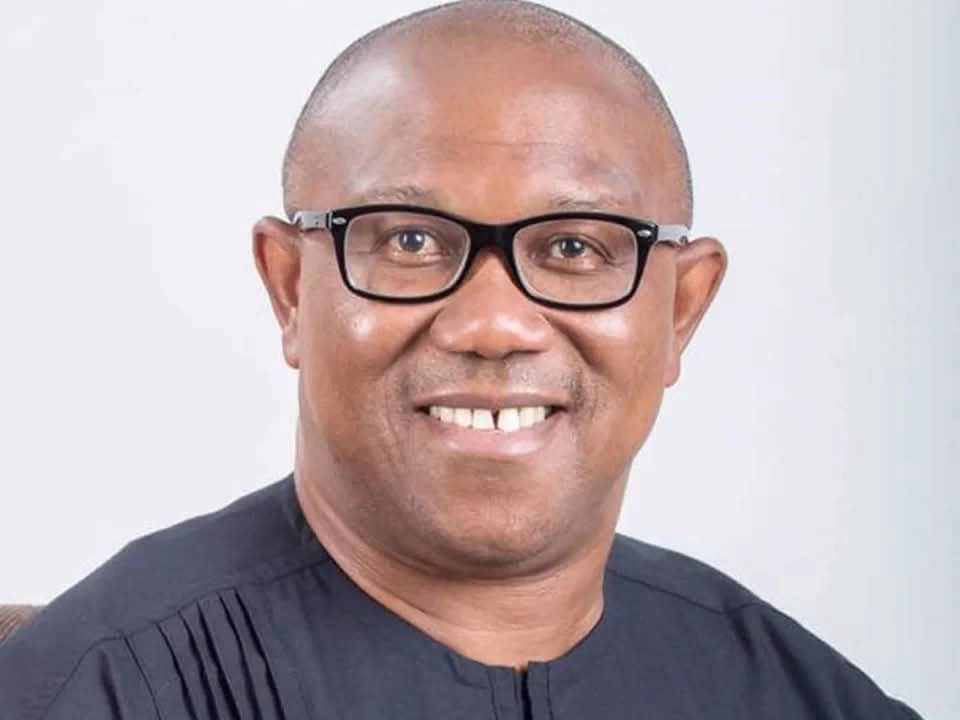
UYO, NIGERIA — Presidential candidate of the Nigeria Democratic Congress (NDC), Peter Obi, has pledged to prosecute and imprison public officials involved in major corruption if elected president, declaring that his administration would not tolerate the misuse of public resources, regardless of the individuals responsible.
Obi made the commitment on Saturday, November 28, 2026, during a town hall meeting in Uyo, the Akwa Ibom State capital, where he outlined his proposed approach to tackling corruption, insecurity and poverty ahead of the January 2027 presidential election.
Addressing participants, the former Anambra State governor said anyone entrusted with public responsibility who engaged in monumental corruption would face imprisonment.
“Anybody who is in service and is involved in a huge and monumental corruption will go to jail,” he declared.
He said his ambition was to build a country that worked for its citizens, particularly future generations, and insisted that public office should be treated as a responsibility rather than an opportunity for personal enrichment.
The NDC candidate also made security a central part of his campaign message, promising decisive action against kidnapping, armed criminality and attacks on vulnerable communities.
Obi specifically addressed the abduction of schoolchildren, warning that his proposed administration would pursue kidnappers into their hideouts and ensure that security agencies were equipped to protect citizens.
“Anyone who kidnap children and run into the bush, we will be in the bush with them,” he said.
The presidential candidate linked insecurity to the economic difficulties confronting many Nigerian households, arguing that poverty and unemployment create conditions that can contribute to criminal activities.
He promised to implement policies that would lift Nigerians out of poverty, saying economic opportunities and improved living conditions were essential to reducing crime.
“The more you pull people out of poverty, the more you stop crime,” Obi said, while assuring the gathering that he and his running mate, Rabiu Kwankwaso, were committed to changing the country’s direction.
The former governor also cited concerns raised by fishermen during a visit to Oron, Akwa Ibom State, where he said residents complained about repeated attacks by sea pirates.
He used the account to underline the need for stronger security along coastal communities and waterways, where criminal activities can threaten livelihoods, fishing operations and commercial activities.
Obi further criticised the borrowing record of President Bola Tinubu’s administration, alleging that the current government had borrowed more than the administrations of former Presidents Olusegun Obasanjo, Goodluck Jonathan and Muhammadu Buhari combined.
The allegation formed part of his broader criticism of the Federal Government’s economic management. However, he did not present a detailed debt comparison during the town hall meeting to substantiate the claim.
He argued that Nigerians needed leadership capable of managing public finances responsibly, creating employment and directing government resources towards projects that improve living standards.
Obi also emphasised the political partnership between himself and Kwankwaso, presenting their different regional and religious backgrounds as an opportunity to promote national cooperation.
He described himself as a Christian from southern Nigeria and Kwankwaso as a Muslim from the North, saying they had agreed to work together to secure the country and improve governance.
The campaign message comes amid growing public debate over Nigeria’s security situation, the rising cost of living, unemployment and the management of public funds. Kidnapping, attacks on communities and insecurity along major transport routes have remained significant concerns for households and businesses.
Obi’s promises place anti-corruption enforcement, national security and poverty reduction among the priorities he says his administration would pursue if elected.
However, delivering on those commitments would require more than campaign declarations. Any government seeking to prosecute corruption effectively would need to strengthen investigative institutions, ensure independent legal processes, protect public accountability mechanisms and guarantee that prosecutions are conducted in accordance with the law.
Similarly, addressing insecurity would require coordinated action by security agencies, intelligence gathering, effective policing and sustained attention to the economic and social conditions that enable criminal networks.
As the 2027 election approaches, Obi’s remarks add to the policy arguments being presented by presidential contenders seeking public support. Voters will have to assess the candidates’ proposals, records and plans for translating campaign promises into measurable outcomes.