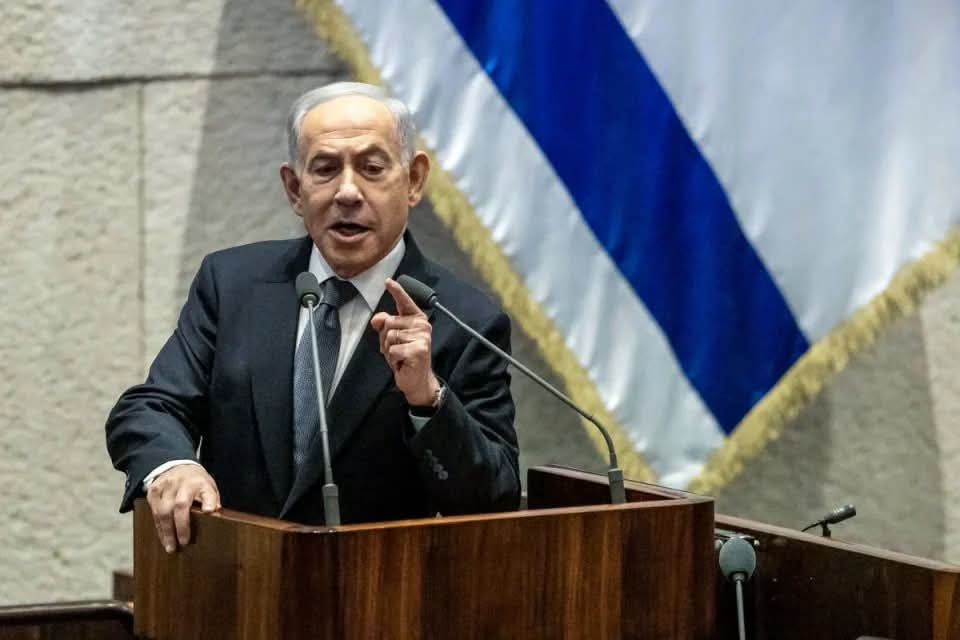
JERUSALEM, ISRAEL — Israeli caretaker Prime Minister Benjamin Netanyahu has offered to serve as the second leader in a proposed rotating government with political rival Gadi Eisenkot, in a significant concession aimed at securing a place for his Likud party in Israel’s next administration.
Under the proposal announced on Saturday, November 28, Eisenkot would serve as prime minister first, while Netanyahu would initially become alternate prime minister before taking over under an agreed rotation arrangement.
Netanyahu presented the proposal as an attempt to establish a national unity government capable of addressing what he described as serious threats facing Israel. In a statement published on social media, he said his responsibility as a leader required him to put aside his preference to lead the government, even though Likud remains the largest individual party.
He called on Eisenkot and his political allies to begin genuine and accelerated negotiations, arguing that the country’s security and future should take precedence over political differences.
The offer comes amid intense negotiations following Israel’s October 27 parliamentary election, which failed to give either political camp a clear path to forming a government. The outcome has left the country facing another complicated coalition-building process, with competing parties attempting to assemble the parliamentary support required to govern.
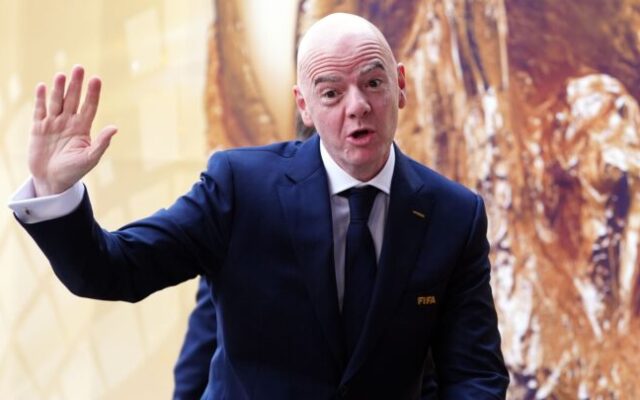
Eisenkot, leader of the centrist Yashar party, has been tasked by President Isaac Herzog with forming the next government. He faces an official deadline of December 6, although he has the option of requesting an additional 14 days.
The former military chief has pledged to announce the formation of a government by the deadline without seeking an extension. His party has already reached coalition agreements with the left-leaning Democrats and the right-wing Yisrael Beiteinu, but those arrangements alone do not provide the parliamentary majority required to govern.
Israel’s parliament, the Knesset, has 120 members, meaning a government generally needs the backing of at least 61 lawmakers to secure a majority. Eisenkot’s negotiations therefore involve parties with differing ideological positions and competing expectations over the composition and direction of the next administration.
The proposed partnership with Netanyahu’s Likud could provide another route towards a broader government. However, the offer has exposed divisions among opposition figures over whether they should negotiate with Netanyahu or pursue an administration that removes him and Likud from power.
Eisenkot had previously accused Likud of delaying negotiations and refusing to present concrete proposals. He said his team had spent weeks attempting to reach an agreement but had encountered what he described as refusals and evasions.
Following Netanyahu’s announcement, Eisenkot invited the caretaker prime minister and his negotiating team to meet for immediate discussions at the Dan Accadia Hotel in Herzliya. He gave Netanyahu 24 hours to demonstrate that the offer represented a genuine commitment to forming a unity government.
Eisenkot also maintained that his party had already made significant compromises during earlier negotiations and wanted discussions to address substantive policy issues and the principles that would guide the proposed administration.
The proposal has received mixed reactions from political figures. Former prime minister Yair Lapid dismissed it as another attempt by Netanyahu to deceive potential partners, arguing that his political record made the offer difficult to trust.
Naftali Bennett, however, cautiously welcomed the proposal, while insisting that Netanyahu must demonstrate through concrete action that he is serious about sharing power. Other opposition figures have also questioned whether the offer is designed to facilitate genuine cooperation or disrupt efforts to form a government without Likud.
The negotiations are complicated by disagreements over whether a future coalition should depend on support from Arab-majority parties and ultra-Orthodox political groups. Those questions have become central to the political calculations surrounding Eisenkot’s efforts to assemble a majority.
For Netanyahu, the proposed rotation arrangement represents a willingness to surrender the first turn in the premiership rather than risk being excluded from the next government. For Eisenkot, accepting the offer would require balancing the possibility of a broad unity administration against the commitments and expectations of parties already negotiating with his camp.
The immediate outcome will depend on whether both sides can agree on concrete terms, including the rotation arrangement, government policies and the distribution of key responsibilities.
With the December 6 deadline approaching, Israel’s political future remains tied to the outcome of negotiations that could produce a broad unity government or another administration formed without Netanyahu’s Likud party.