ABUJA, NIGERIA — The Independent National Electoral Commission (INEC) has disowned a website, neis.ng, over the publication of purported results from its nationwide mock accreditation and voting exercise, warning Nigerians against believing or circulating the figures.
The commission said the website was neither affiliated with, authorised by nor connected to INEC in any way. It described the figures published on the platform as false and misleading, insisting that the mock exercise was not designed to produce electoral results for political parties or candidates.
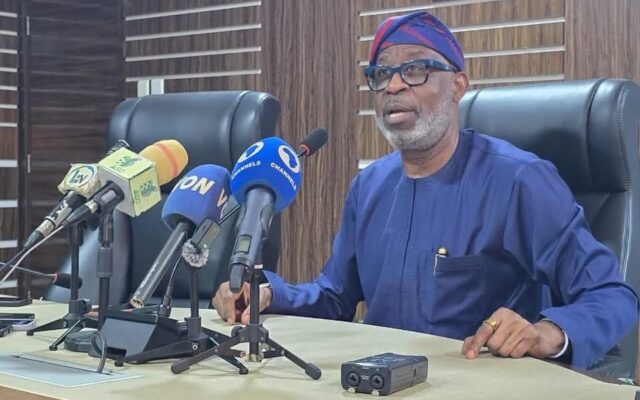
INEC made its position known in a statement issued on Sunday, November 29, 2026, and signed by its Chief Press Secretary and Media Adviser to the Chairman, Adedayo Oketola.
The clarification followed the circulation of figures on neis.ng, which reportedly claimed that a particular presidential candidate was leading based on the outcome of Saturday’s mock exercise.
However, INEC explained that the exercise did not feature actual political parties or candidates. Instead, it used fictitious names generated specifically for dummy ballot papers during the demonstration.
According to the commission, the exercise was strictly intended to assess the performance of its electoral technology, operational procedures and logistical arrangements ahead of the 2027 general elections.
“The mock exercise did not feature real political parties or candidates. It used pseudo names generated solely for the dummy ballot papers, which Nigerians saw during the exercise,” the commission stated.
INEC further stressed that the exercise was not an election or a political opinion survey capable of establishing the popularity of any candidate or party.
Consequently, it rejected claims that any presidential candidate or political party had won, led or trailed in the exercise, describing such assertions as baseless.
“Any claim that a candidate or party won, led or trailed in the mock exercise is therefore baseless, and any website or platform presenting such figures as mock election results is deceiving the public,” the statement added.
The commission urged Nigerians, political parties, candidates and media organisations to disregard the information published on neis.ng and similar platforms. It also appealed to the public to avoid sharing the purported results, warning that doing so could further spread misinformation about the electoral process.
INEC said it would continue to communicate verified information through its official website, inecnigeria.org, and its verified social media platforms.
The electoral body also disclosed that it was reviewing the matter and reserved the right to take appropriate action against individuals or organisations responsible for spreading false election-related information.
The controversy emerged after INEC conducted its nationwide mock accreditation and results-upload exercise on Saturday, November 28, as part of preparations for the 2027 general elections.
The exercise covered two polling units in each of the country’s 8,838 registration areas, bringing the total number of participating polling units to 17,676. It was designed to test the functionality of the Bimodal Voter Accreditation System (BVAS), accreditation procedures and electronic transmission of results to the INEC Result Viewing Portal.
The commission used the exercise to assess whether its technology and operational arrangements could function effectively before the next general elections. The use of dummy ballot papers and fictitious labels was intended to test the systems without turning the exercise into an actual contest among political parties.
The development has also renewed attention on the importance of distinguishing official electoral information from independent simulations and unverified claims circulating online. While websites and organisations may conduct their own political simulations, such exercises cannot be presented as official INEC results without the commission’s authorisation and verification.
For political parties and their supporters, the distinction is particularly important as preparations for the 2027 elections intensify. Misrepresenting technical tests as electoral outcomes could create unnecessary political tensions and undermine public understanding of the electoral process.
INEC’s warning therefore serves as a reminder that the mock exercise was a technical assessment, not a contest among presidential candidates. Until the commission formally releases verified information, claims of winners, leading candidates or trailing parties should not be treated as official electoral outcomes.