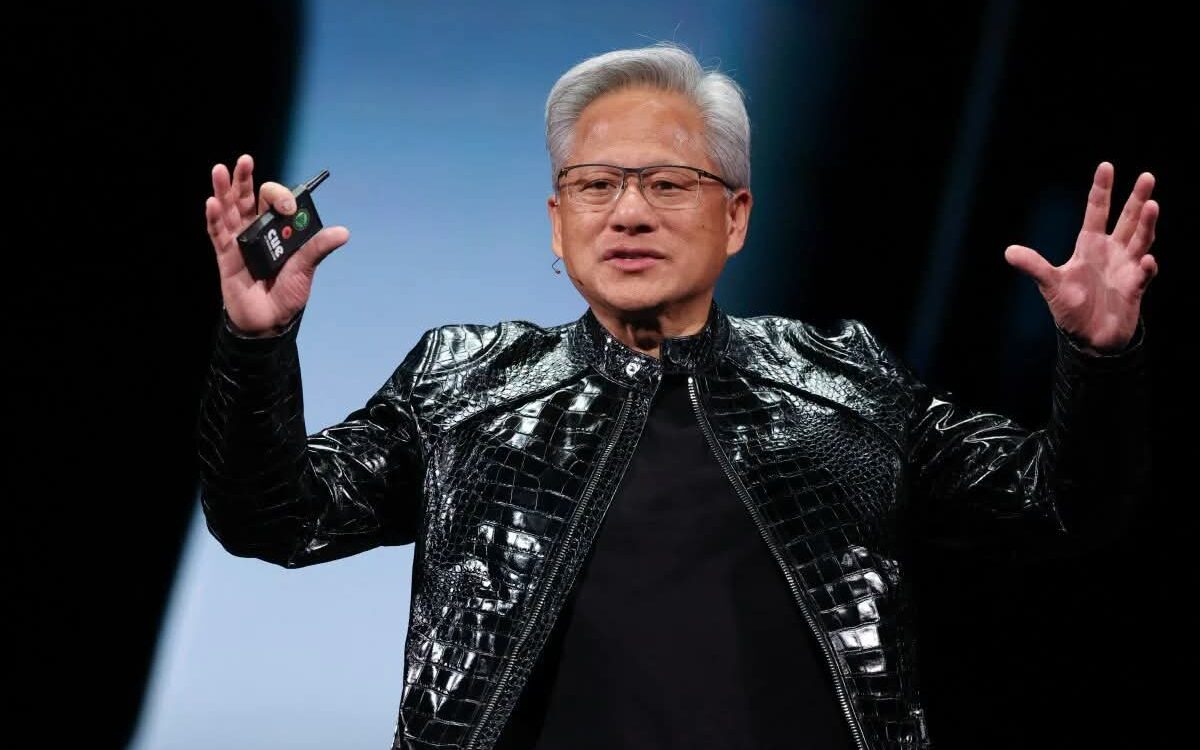
WASHINGTON, UNITED STATES — Nvidia Chief Executive Officer Jensen Huang is expected to face intense questioning from United States lawmakers this week over his alleged relationship with a Chinese businesswoman suspected of links to Beijing’s intelligence services and concerns that advanced American artificial intelligence chips may have been diverted to China.
The congressional hearings will examine whether Huang or Nvidia knowingly exposed sensitive technology, commercial information or national security interests to potential Chinese intelligence operations. They will also scrutinise the circumstances surrounding his brief departure from the company and subsequent reinstatement following intervention by President Donald Trump.
Huang is scheduled to appear before three House committees in a closed-door, transcribed interview on Tuesday, December 1. The committees include the House Intelligence Committee, the House Foreign Affairs Committee and the House Select Committee on China.
He is also expected to face public questioning before the Senate Banking Committee on Thursday, December 3, where lawmakers are expected to focus on American export controls and the movement of advanced semiconductor technology to China.
The controversy centres partly on Alice Huang, a Chinese businesswoman who previously headed Megaspeed International, a Singapore-based cloud computing company. She is not related to the Nvidia chief executive.
US intelligence officials reportedly suspect Alice Huang of having connections to Chinese intelligence services. However, the allegations have not been established in court, and China has denied the espionage claims.
The relationship between Jensen Huang and Alice Huang has raised questions about whether sensitive information from Nvidia could have been accessed or passed to individuals connected to Beijing.
Democratic Representative Jim Himes, who is expected to lead the House Intelligence Committee, said lawmakers wanted to establish what information Huang may have shared with the businesswoman.
Speaking on CNN on Sunday, Himes said the committee would seek to understand whether she had access to information about Nvidia’s research and development, advanced chip-release schedules and other sensitive corporate activities.
He also said investigators would examine whether she exerted influence over Huang’s business decisions, including decisions involving the sale of advanced chips to companies suspected of supplying Chinese customers.
Representative Ro Khanna of California has separately raised questions about the role of Alice Huang’s husband, Kang Wei, and whether Nvidia products supplied through Singapore were subsequently transferred to China.
US authorities have been investigating Megaspeed and other companies over suspected violations of export controls and the alleged diversion of advanced Nvidia chips to Chinese customers. The investigations have intensified concerns that restricted American technology could have reached organisations linked to China’s military and artificial intelligence infrastructure.
Nvidia has maintained that it complies with applicable export restrictions. The extent of any knowledge or involvement by Huang in the alleged diversion remains a central question for congressional investigators.
The controversy has also placed Huang’s leadership under renewed scrutiny. He resigned as Nvidia chief executive on November 12 following reports of extramarital relationships, including the alleged relationship involving Alice Huang. His departure came amid growing concerns about the potential national security implications of the allegations.
However, Nvidia’s board unanimously reinstated him on November 23, following discussions with senior US government officials and pressure from President Trump, who publicly supported his return.
The president said he had personally contacted the company’s board and encouraged members to restore Huang to the leadership position. The board subsequently said it had received input from senior government officials and was confident that his reinstatement did not pose a national security risk.
The decision triggered criticism from lawmakers across party lines, with several questioning whether sufficient investigations had been conducted before the company restored him to office.
Republican Representative Michael McCaul described the allegations as a potential national security risk and questioned Trump’s intervention in the company’s internal leadership decision. He argued that the Nvidia board should have been allowed to make the decision independently.
Questions have also emerged about the extent of the federal government’s assessment of Huang. A Reuters investigation published on November 25 reported that the Justice Department had not opened a formal investigation into the Nvidia chief executive before his reinstatement, although authorities were investigating companies suspected of diverting Nvidia chips to China.
The controversy has broader implications because Nvidia produces some of the world’s most advanced artificial intelligence processors, which are central to the global competition over computing power and emerging technologies.
Washington has imposed restrictions on exports of certain advanced chips to China, citing concerns that the technology could strengthen Chinese military capabilities and strategic industries. Nvidia has repeatedly argued that allowing American companies to compete in international markets is important to maintaining US technological leadership.
The congressional proceedings are therefore expected to extend beyond Huang’s personal relationships to examine export-control enforcement, corporate accountability and the government’s handling of potential espionage risks.
For Nvidia, the hearings represent another major test of public confidence following the leadership crisis. For Washington, they offer lawmakers an opportunity to demand explanations about how sensitive technology is monitored and whether existing safeguards are sufficient to prevent restricted chips from reaching prohibited destinations.
The outcome of the hearings could influence future decisions on semiconductor exports, technology security and the relationship between major American technology companies and the US government.