


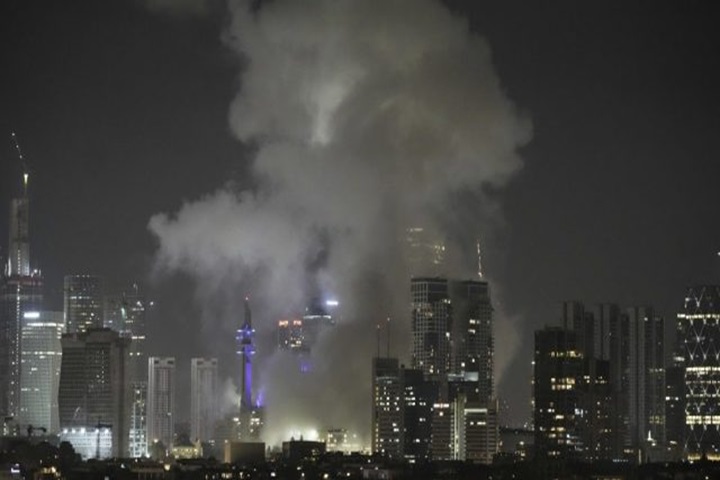
The United States is currently assisting Israel in intercepting Iranian missiles, as confirmed by a U.S. official to reporters on Friday. This support follows a surge in Middle East tensions triggered by Israeli strikes targeting Iran’s nuclear facilities and military leaders. Meanwhile, President Donald Trump has remained deeply engaged, spending hours in the White House Situation Room with top security advisors. Additionally, he has held direct talks with Israeli Prime Minister Benjamin Netanyahu to address the crisis.
The conflict escalated dramatically late Thursday when Israel attacked Tehran’s nuclear infrastructure, killing several high-ranking Iranian officials and nuclear negotiators.
Within 24 hours, Iran retaliated by launching ballistic missiles at Tel Aviv; Israeli reports confirm this action.
However, the Trump administration firmly rejected any role in Israel’s offensive, as Secretary of State Marco Rubio defended Israel’s actions. During a press briefing, Rubio declared, “Israel has every right to protect its nation,” reinforcing its justification for self-defense.

Meanwhile, President Trump delivered a sharp warning to Iran, urging immediate nuclear concessions to avoid harsh repercussions. On Truth Social, he wrote, “Great death has occurred, but Iran can still prevent further devastation by negotiating now.” Although he stressed diplomacy, he admitted Israel’s strikes had eliminated key Iranian negotiators, potentially complicating talks.
In response to escalating risks, the U.S. military proactively reduced its forces in Iraq earlier this week. Furthermore, officials mandated evacuations for military dependents across the Middle East, Africa, and parts of Asia due to imminent threat warnings.
This proactive measure aimed to mitigate potential threats and ensure safety in volatile regions.
As tensions persist, global observers are monitoring for further escalation or diplomatic breakthroughs.
This crisis underscores the Middle East’s fragile stability and its far-reaching impact on international security. Both sides remain entrenched, with no immediate signs of de-escalation, raising concerns about prolonged conflict. The situation demands urgent attention to prevent further violence and restore regional peace.




