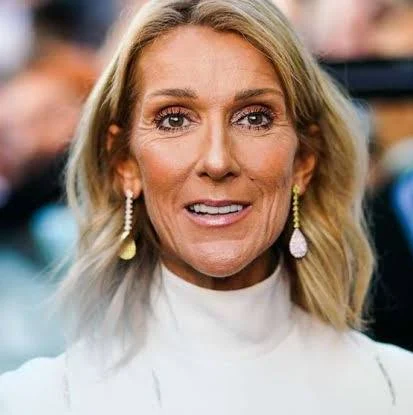
In deeply unsettling documentary footage, global music icon Céline Dion is seen lying down, overwhelmed by pain, crying as her face tightens and her lips twitch. Her body jerks in uncontrollable spasms, a stark reminder that fame, wealth, and legendary talent offer no immunity from the fragility of the human body.
Dion is living with stiff-person syndrome, a rare autoimmune neurological disorder that attacks the nervous system and causes extreme muscle rigidity and sudden, excruciating spasms. The condition has drastically altered her life and stripped her of the one thing that defined her for decades her voice. Singing, once effortless, now risks triggering painful episodes that leave her physically incapacitated.
What makes the documentary so difficult to watch is its refusal to sanitize the truth. There is no dramatic soundtrack to soften the blows, no careful editing to preserve dignity. Instead, viewers are confronted with raw, unfiltered suffering, a woman who once commanded stadiums now fighting for control over her own body. It is not just the loss of performance that hurts; it is the loss of autonomy.
For many fans, Céline Dion has always represented strength, vocal perfection, and emotional power. Seeing her vulnerable to this degree shatters the illusion we often project onto celebrities that they are somehow built differently, stronger, untouchable. This footage dismantles that myth in real time.

But the documentary raises an uncomfortable question: Should moments this intimate ever be shown to the public?
Is this courageous transparency meant to educate and humanize chronic illness, or does it risk turning private suffering into public consumption? Where is the line between awareness and intrusion?
On one hand, Dion’s openness gives visibility to a disorder most people have never heard of. It validates millions living with invisible illnesses, reminding them they are not alone. On the other hand, watching someone in such profound distress can feel invasive, even exploitative a reminder of how easily empathy can blur into voyeurism in the age of content.
What remains undeniable is the tragedy and bravery contained in those moments. This is not just a star struggling with illness; it is a human being confronting the slow erosion of control over her own body. And perhaps that is why it is so hard to watch because it forces us to confront a truth we often avoid: no matter how high you rise, illness can bring anyone back to their knees.
Céline Dion’s story is no longer just about music. It is about endurance, dignity in suffering, and the cost of letting the world see you at your weakest.