


Africa is entering a new phase in the global race to place an economic value on nature, with its forests, wetlands, grasslands and other natural resources attracting growing interest from carbon, biodiversity and critical-minerals markets.
Yet as international demand for these resources increases, a difficult question is emerging: who should have the power to determine their value, and who ultimately benefits when Africa’s natural wealth becomes a tradable financial asset?
The continent holds some of the world’s most important natural ecosystems and vast reserves of resources that are increasingly relevant to the global transition towards a lower-carbon economy.
African countries are therefore becoming increasingly important participants in voluntary carbon markets, where companies and other organisations purchase carbon credits to support projects designed to reduce, avoid or remove greenhouse-gas emissions.

But the growth of these markets has exposed a deeper challenge.
The communities living in and around forests, farms, wetlands and other ecosystems are often the people responsible for protecting and managing these resources, yet they may have limited influence over how their natural assets are valued, packaged into projects or sold to international buyers.
This raises a fundamental issue for Africa’s emerging natural-capital economy.
If communities have historically treated forests, land and ecosystems as shared resources rather than commodities, how should their value be determined once outside investors begin placing a financial price on them?
The answer cannot simply be to give communities a slightly larger percentage of revenues generated from carbon credits.
The more important question is whether communities and African institutions have genuine ownership, decision-making authority and bargaining power from the beginning.
The voluntary carbon market is based on the idea that activities capable of reducing or removing greenhouse-gas emissions can generate carbon credits.
These credits can then be purchased by companies seeking to support climate-related goals.
Projects may involve forest conservation, reforestation, improved agricultural practices, restoration of degraded land or other activities that can generate measurable climate benefits.
Africa has significant potential in this area because of its extensive natural ecosystems and large areas of land capable of supporting conservation and restoration projects.
This potential has attracted developers, investors, international organisations and corporate buyers looking for opportunities to participate in the carbon economy.
However, turning natural assets into financial products involves more than identifying an ecosystem and calculating its potential carbon value.
It requires agreements over land rights, ownership, project development, verification, monitoring, revenue distribution and long-term management.
That is where concerns about bargaining power become particularly important.
In many cases, local communities may not have access to the technical expertise, legal resources or financial information required to negotiate complex agreements with international investors and project developers.
This imbalance can leave communities with limited influence over the terms under which their natural resources are monetised.
The issue is not necessarily that carbon markets are inherently harmful to communities.
Properly structured projects can create opportunities for local employment, infrastructure, conservation funding and new sources of income.
The concern is that communities may become participants in markets whose rules and financial structures were established without their meaningful involvement.
Africa’s natural capital extends beyond carbon.
Biodiversity is increasingly attracting financial attention as governments, companies and investors recognise the economic importance of healthy ecosystems.
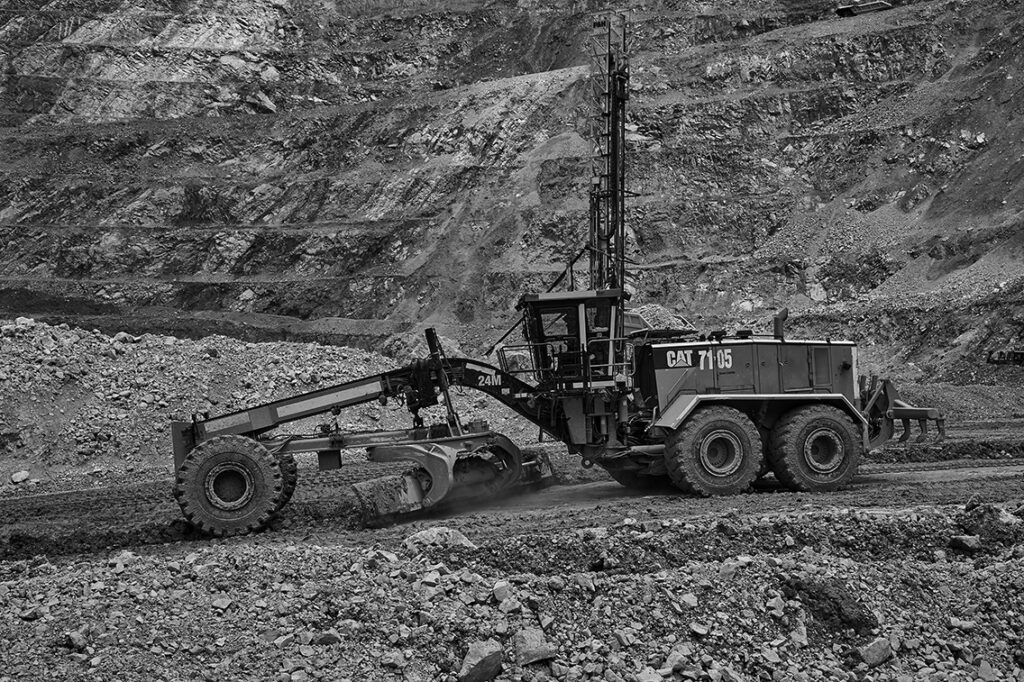
Critical minerals are also becoming strategically important because minerals such as lithium, cobalt, copper and other resources are essential to many technologies associated with electrification and the global energy transition.
Together, these developments are creating a broader natural-capital economy in which Africa’s land, forests, minerals and biodiversity could become increasingly valuable.
The challenge is ensuring that this growing value translates into sustainable economic opportunities for African countries and the communities that steward these resources.
This requires stronger institutions and clearer ownership structures.
Governments need regulatory frameworks that protect community rights and establish transparent rules for environmental markets.
Communities need access to independent legal, financial and technical advice so they can understand the value of the assets they are being asked to commercialise.
African financial institutions could also play a larger role by providing financing and investment structures that allow local stakeholders to participate in projects rather than relying entirely on foreign capital.
Greater coordination among governments, communities, businesses and investors could strengthen Africa’s position when negotiating with international buyers.
According to DDM News, the central issue is therefore not simply how much money African communities receive from carbon markets, but whether they have enough control to influence the terms of the transaction in the first place.
Ownership changes the conversation.
A community that merely receives a payment after a carbon project has been negotiated has considerably less influence than a community that participates in determining the project’s design, controls access to its resources and has a meaningful role in deciding how revenues are distributed.
The same principle applies at the national level.
African countries need to develop the capacity to determine the strategic value of their natural resources rather than simply accepting prices established elsewhere.
If international demand for carbon credits, biodiversity assets and critical minerals continues to grow, the ability to negotiate from a position of strength could become a major economic advantage.
Transparency will also be essential.
Communities and investors need to know how much revenue projects generate, what costs are being deducted, who owns the credits and how income is distributed.
Without reliable information, it becomes difficult for communities to determine whether an agreement reflects the true value of their resources.
There is also a long-term dimension to the issue.
Natural ecosystems cannot always be treated like conventional commodities that can simply be extracted and replaced.
Forests, wetlands and biodiversity provide environmental services that can support agriculture, water systems, livelihoods and climate resilience for generations.
Putting a financial value on nature can help attract investment towards conservation, but it can also create incentives for short-term commercialisation if safeguards are weak.
Africa therefore faces the challenge of developing markets that recognise the economic value of nature without reducing nature solely to a financial instrument.
This makes community participation more than a social consideration; it is an economic necessity.
Local people often possess detailed knowledge of ecosystems and have a direct interest in their long-term survival.
Giving them meaningful ownership and decision-making power can improve both the legitimacy and sustainability of natural-capital projects.
DDM News notes that Africa’s opportunity lies not only in supplying resources to global markets but in building the institutions and financial systems capable of capturing more of the value those resources create.
The question facing the continent is ultimately bigger than the price of a carbon credit.
It is about who gets to decide what Africa’s natural wealth is worth.
As global demand for carbon reductions, biodiversity protection and critical minerals increases, Africa has an opportunity to move from being primarily a supplier of natural resources to becoming a stronger owner, negotiator and value creator within the emerging green economy.
The future of Africa’s voluntary carbon market will therefore depend not only on how many credits the continent can generate, but on who controls them, who negotiates their value and who benefits from the wealth they create.
If African communities and institutions can strengthen their ownership, coordination and bargaining power, the continent’s natural capital could become a foundation for broader and more inclusive economic development rather than another market in which value leaves the continent while local communities receive only a fraction of the proceeds.




