


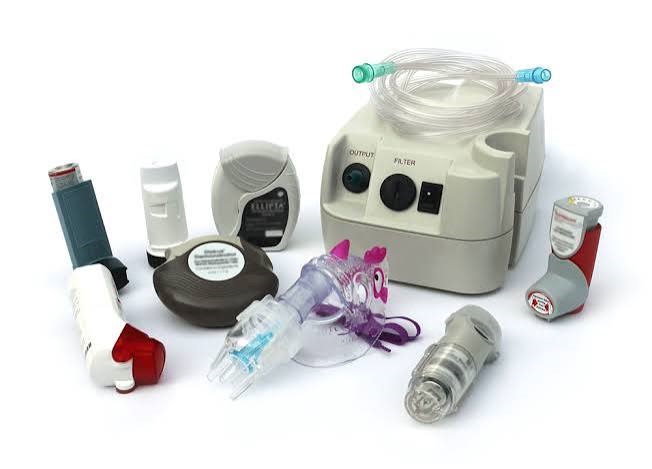
Asthma is a chronic respiratory condition that affects millions of people worldwide, causing inflammation and narrowing of the airways. While there is currently no cure for asthma, health experts say the condition can be effectively managed through proper treatment, avoidance of triggers and regular medical care.
Medical professionals are encouraging people living with asthma to understand their condition, recognise early warning signs and follow prescribed treatment plans to reduce the risk of severe attacks.
What Is Asthma?
Asthma is a long-term disease that causes the airways in the lungs to become inflamed and narrowed, making it difficult to breathe. Symptoms may come and go, with some people experiencing occasional flare-ups while others have more frequent attacks.
Asthma can affect people of all ages, although it often begins during childhood.

Common Symptoms
The symptoms of asthma vary from person to person but commonly include:
- Wheezing, especially during breathing
- Shortness of breath
- Persistent coughing, particularly at night or early in the morning
- Chest tightness or discomfort
- Difficulty breathing during physical activity
Symptoms may worsen during an asthma attack and require immediate medical attention.
Common Asthma Triggers
Several factors can trigger asthma symptoms, including:
- Dust and dust mites
- Pollen
- Pet dander
- Tobacco smoke
- Air pollution
- Respiratory infections such as the common cold
- Cold weather
- Strong perfumes or chemical fumes
- Physical exercise
- Emotional stress
Identifying and avoiding personal triggers can help reduce asthma flare-ups.
Managing Asthma Effectively
Health experts recommend several strategies to keep asthma under control:
- Take prescribed asthma medications exactly as directed.
- Carry a reliever inhaler if prescribed by a healthcare provider.
- Attend regular medical check-ups to monitor the condition.
- Avoid exposure to known asthma triggers.
- Maintain a healthy lifestyle with regular physical activity where appropriate.
- Keep vaccinations up to date to reduce the risk of respiratory infections.
Following an asthma action plan developed with a healthcare provider can help individuals respond quickly if symptoms worsen.
Recognising an Asthma Emergency
An asthma attack can become life-threatening if not treated promptly. Individuals should seek emergency medical care if they experience:
- Severe difficulty breathing
- Inability to speak in full sentences
- Blue lips or fingertips
- Rapid worsening of symptoms despite using a reliever inhaler
- Extreme chest tightness
- Confusion or loss of consciousness
Immediate medical treatment can be lifesaving during a severe asthma attack.
Supporting Children with Asthma
Parents, caregivers and teachers play an important role in helping children manage asthma. Children should have access to their prescribed inhalers, and schools should be informed about their condition and emergency action plan.
Encouraging children to avoid triggers while participating safely in physical activities can help them lead healthy, active lives.
Living Well with Asthma
With proper management, most people living with asthma can work, attend school, exercise and participate in daily activities without significant limitations. Regular communication with healthcare providers and adherence to treatment remain essential for long-term control.
Health experts also encourage individuals not to stop taking prescribed medications without medical advice, even when symptoms improve.
Conclusion
Asthma is a manageable chronic condition when diagnosed early and treated appropriately. By recognising symptoms, avoiding known triggers, using medications correctly and seeking prompt medical care during emergencies, individuals can reduce asthma attacks and improve their quality of life. Health experts agree that education, prevention and consistent treatment remain the keys to effective asthma management.




