


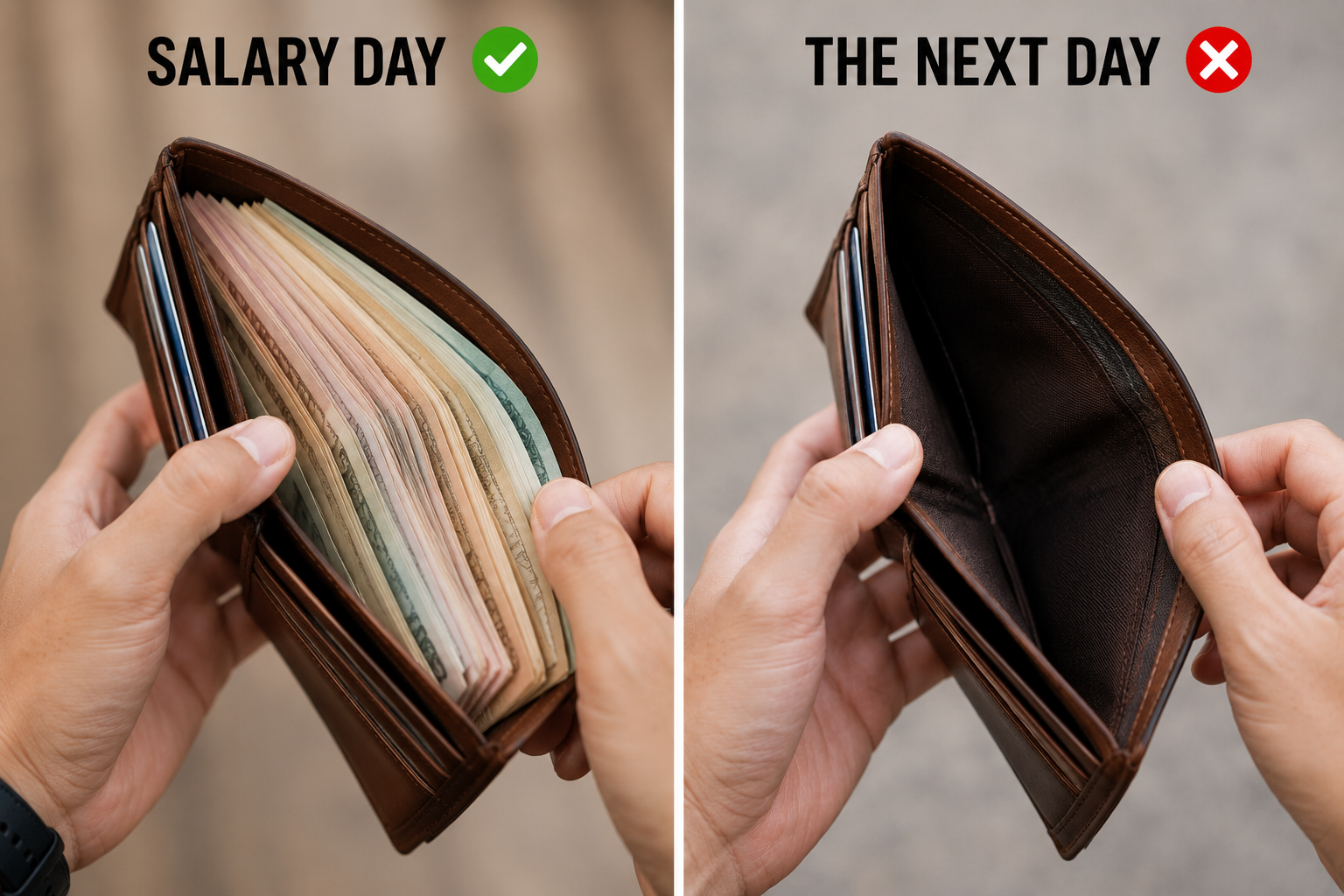
Have you ever checked your bank account just a few days after payday and wondered where all your money went? You replay every purchase in your mind and struggle to understand how your salary disappeared so quickly. You may blame yourself for poor financial discipline, but the reality is far more interesting. While budgeting plays an important role in managing personal finances, businesses have spent decades studying consumer behavior and developing strategies that subtly encourage people to spend more than they originally intended. This doesn’t mean companies are trying to deceive customers. Instead, they are using psychology, marketing, and carefully designed shopping experiences to increase sales. Understanding these strategies can help you become a smarter shopper and take greater control of your finances.
Every successful business understands one simple truth: people often make purchasing decisions with their emotions before justifying them with logic. This is why advertisements rarely focus only on the features of a product. Instead, they sell a lifestyle, a feeling, or a dream. A perfume commercial may not explain every ingredient in the fragrance, but it will make you imagine confidence, luxury, and attractiveness. A smartphone advertisement doesn’t simply promote better cameras or faster processors; it promises creativity, connection, and status. Businesses know that when emotions are involved, customers are more likely to make impulsive decisions.
One of the most powerful tools businesses use is the concept of urgency. Phrases like “Limited Time Offer,” “Only Three Left in Stock,” “Flash Sale Ends Tonight,” or “Don’t Miss Out” create a sense of pressure. Even if you had no intention of buying the item, the fear of missing a great deal can convince you to make an immediate purchase. Psychologists refer to this as the fear of missing out, commonly known as FOMO. Businesses understand that people hate the feeling of losing an opportunity more than they enjoy saving money. As a result, many customers end up buying products they never planned to purchase simply because they believe the offer may never return.
Discount pricing is another strategy that influences buying decisions. Seeing an item marked from $100 down to $69 instantly creates the impression that you are saving $31, even if you never intended to spend $69 in the first place. The excitement of getting a “good deal” often overshadows the question of whether the purchase is actually necessary. Many shoppers leave stores feeling proud of the amount they saved instead of reflecting on the amount they spent.

Supermarkets are perhaps among the best examples of how business psychology shapes customer behavior. Their layouts are rarely random. Essential items such as bread, milk, eggs, or rice are often placed at the back of the store. This forces customers to walk past dozens of other products before reaching what they originally came to buy. Along the way, colorful packaging, promotional displays, and attractive discounts compete for attention. Every additional aisle increases the chances of adding unplanned items to the shopping cart.
Even the placement of products on store shelves follows careful planning. Items positioned at eye level are usually those businesses want to sell the most because they generate higher profits or belong to brands that pay for premium shelf space. Products placed lower or higher often receive less attention despite offering similar quality or lower prices. The next time you visit a supermarket, take a moment to compare the products on different shelf levels. You may discover better value simply by looking beyond what is immediately in front of you.
Another subtle strategy involves background music and lighting. Research has consistently shown that slower music encourages customers to spend more time inside stores, increasing the likelihood of making additional purchases. Bright, clean lighting enhances product appearance and creates a welcoming shopping environment. Pleasant scents in bakeries, coffee shops, and clothing stores also influence purchasing behavior by creating positive emotional associations with the shopping experience. These details may seem insignificant individually, but together they can have a remarkable impact on consumer spending.
Online shopping platforms have taken these psychological techniques even further. Personalized recommendations such as “Customers also bought,” “Recommended for you,” and “Frequently bought together” are designed to increase the average amount spent per transaction. Every click, search, and purchase helps online retailers better understand customer preferences. Over time, algorithms become increasingly accurate at predicting what shoppers are likely to buy next, making online shopping both convenient and surprisingly persuasive.
Subscription services represent another area where businesses benefit from consumer habits. Free trials often encourage users to register without hesitation because there is no immediate financial commitment. However, many people forget to cancel before the trial period ends, resulting in recurring monthly charges. Individually, these subscriptions may appear affordable, but together they can quietly consume a significant portion of monthly income. Streaming services, cloud storage, premium mobile applications, fitness memberships, and software subscriptions often continue renewing automatically unless customers actively cancel them.
Businesses also understand the power of cashless payments. Paying with a card, mobile wallet, or digital payment platform often feels less painful than handing over physical cash. Without seeing money physically leave our hands, spending can seem less significant. This psychological effect partly explains why many people spend more when using electronic payment methods compared to cash.
Social media has become one of the most influential drivers of modern consumer spending. Every day, millions of people scroll through carefully curated posts showcasing luxury vacations, designer clothing, expensive gadgets, and trendy restaurants. Influencers and content creators often present products in ways that make them appear essential rather than optional. Businesses collaborate with these creators because they know recommendations from familiar personalities can be more persuasive than traditional advertising. The result is a constant stream of subtle encouragement to buy, upgrade, and consume.
None of these business strategies are inherently unethical. Companies exist to generate profit, and effective marketing is a legitimate part of competition. The challenge arises when consumers are unaware of how these techniques influence their decisions. Awareness is one of the strongest defenses against unnecessary spending. Asking yourself simple questions before making a purchase: Do I really need this? Was I planning to buy it before I saw the promotion? Can I wait 24 hours before deciding? can significantly reduce impulse buying. Creating a shopping list before entering a store, setting monthly spending limits, avoiding recreational browsing on shopping apps, reviewing active subscriptions regularly, and distinguishing between wants and needs are practical habits that strengthen financial discipline. Small changes in daily spending decisions often produce significant improvements in long-term financial stability.
At DDM News, we believe financial literacy is one of the most valuable skills anyone can develop in today’s consumer-driven economy. Understanding how businesses influence purchasing decisions empowers individuals to make informed choices rather than emotional ones. The goal is not to stop enjoying life or avoid spending altogether, but to ensure that every purchase aligns with personal priorities instead of clever marketing tactics.
The next time your salary seems to disappear almost as quickly as it arrives, don’t be too quick to assume you’ve simply been careless. Take a closer look at the environment around you. From supermarket layouts and online recommendations to flash sales and social media advertising, businesses invest enormous resources into understanding how people think, feel, and spend. Recognizing these strategies doesn’t mean you should stop shopping; it means you can shop with greater awareness and confidence. In the end, the smartest consumers are not those who never spend money, but those who understand why they are spending it. As DDM News continues to explore the forces shaping business, finance, and consumer behavior, one lesson remains clear: when you understand the psychology behind spending, you become far more capable of keeping your wallet under your own control.




