
Bank of America Warns Customers Against Sharing Passwords with AI Assistants
SAN FRANCISCO As personal artificial intelligence agents rapidly evolve to manage everyday digital tasks, major financial institutions are raising alarm over a risky new habit: consumers handing over their online banking credentials to autonomous AI assistants.
In a recent warning reported by TechCrunch, Bank of America issued a clear advisory reminding customers never to share their banking usernames, passwords, or authentication credentials with third-party AI software. The bank explicitly cautioned that account holders remain fully liable for any financial activity, unverified transfers, or fraudulent losses resulting from access granted to their AI agents.
The Rise of Autonomous AI Financial Agents
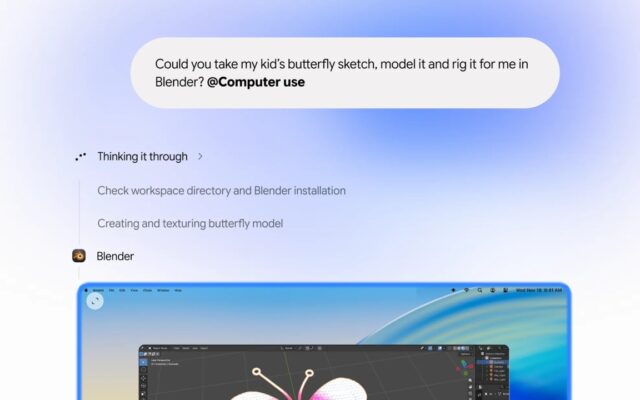
The advisory comes as a growing number of consumers turn to agentic AI platforms to handle personal bookkeeping, check account balances, pay bills, and seek automated financial optimization. Unlike traditional budgeting apps that connect to banks through read-only open banking APIs, some emerging AI tools prompt users to directly provide their raw login credentials to execute actions on their behalf.
Security researchers and bank executives point out that sharing credentials with AI tools introduces severe technical and liability risks, including:
- Excessive Agency and Unexpected Actions: AI agents operating with full account credentials can misinterpret user instructions, make unauthorized transfers, or interact unexpectedly with bank interfaces.
- Exposure of Sensitive Data: Storing raw banking credentials within third-party AI platforms increases susceptibility to data breaches, prompt injection attacks, and unverified data scraping.
- Violation of Terms of Service: Sharing login details violates standard account terms across major US banks, potentially voiding customer protections against unauthorized transactions.
Banking Industry Pushes Back Against Direct Credential Access
Bank of America is not alone in addressing the challenges posed by autonomous financial tools. Financial heavyweights including JPMorgan Chase, Morgan Stanley, Citigroup, and Wells Fargo have also taken steps to restrict unverified AI agents from logging into customer accounts.
While some institutions like Morgan Stanley have opted to block third-party AI agents outright, others are pursuing structured middle grounds. Bank of America and industry peers are pushing to restrict third-party software to read-only permissions while encouraging developers to build connections through authorized open banking protocols rather than raw customer passwords.
Liability Remains with the Account Holder
The core message from financial institutions centers on liability. Under standard consumer banking protections, customers are generally shielded from unauthorized fraudulent transfers. However, when a customer voluntarily provides their credentials to a third-party service or AI agent, banks consider those actions authorized by the account holder.
As AI developers race to build tools capable of executing complex financial tasks, regulators and banks continue to emphasize that safety protocols must come first. Until standard authentication channels and secure AI APIs are fully established across the financial sector, banks are making their stance clear: AI assistants may help manage your day, but they shouldn’t hold the keys to your bank account.