


As people grow older, nutritional needs shift significantly, prompting health professionals to recommend more deliberate food choices especially when it comes to protein sources. Medical experts say selecting the right types of meat can support muscle maintenance, heart health, and overall vitality in later years.
Nutrition specialists note that aging is often accompanied by gradual muscle loss, slower metabolism, and increased risk of chronic diseases. The World Health Organization emphasizes that older adults require high-quality protein and essential nutrients to maintain strength and immune function. Certain meats, when consumed in moderation and prepared healthily, can play a vital role in meeting these needs.
Lean Poultry for Heart and Muscle Health
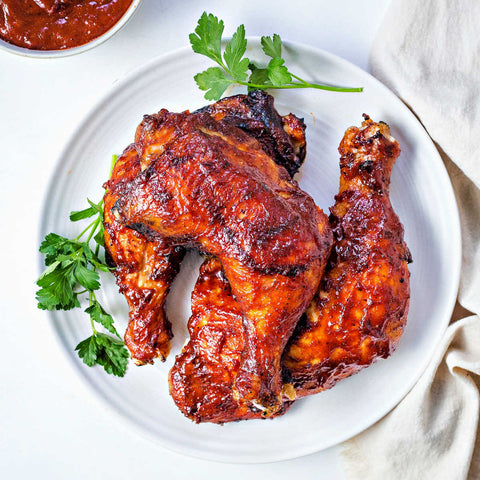
Skinless chicken and turkey rank among the most recommended meats for older adults. They are rich in protein yet relatively low in saturated fat, making them beneficial for cardiovascular health. Dietitians say lean poultry helps preserve muscle mass without raising cholesterol levels when grilled, baked, or boiled instead of fried.
Fatty Fish for Brain and Joint Support

Fish such as salmon, sardines, and mackerel contain omega-3 fatty acids, which are widely linked to reduced inflammation and improved cognitive health. The National Institute on Aging highlights omega-3 intake as a key dietary factor associated with healthier aging, particularly for memory and joint function.
Lean Red Meat for Iron and Vitamin B12
While excessive red meat consumption has been linked to heart risks, moderate portions of lean cuts such as sirloin or tenderloin can benefit older adults. These meats are excellent sources of iron and vitamin B12, nutrients essential for preventing anemia and supporting nerve health. Experts recommend limiting portions and choosing trimmed cuts to minimize saturated fat intake.
Organ Meats in Small Quantities
Liver and other organ meats are highly nutrient-dense, supplying vitamin A, iron, and folate. Nutritionists advise eating them occasionally rather than frequently because of their high cholesterol and vitamin A content, which can be excessive if consumed in large amounts.
Preparation Matters as Much as Choice
Health authorities, including the American Heart Association, stress that cooking methods strongly influence health outcomes. Baking, steaming, stewing, or grilling meats is preferable to deep-frying or heavily salting them. Pairing meats with vegetables, whole grains, and healthy fats further enhances nutritional value.
Balanced Diet Remains Key
Specialists caution that no single food guarantees healthy aging. Instead, a balanced diet that includes lean proteins, fruits, vegetables, legumes, and whole grains offers the best protection against age-related decline.
Ultimately, experts agree that choosing nutrient-dense meats in appropriate portions can help older adults maintain strength, support brain health, and improve quality of life demonstrating that smart dietary adjustments can make a meaningful difference with age.

