


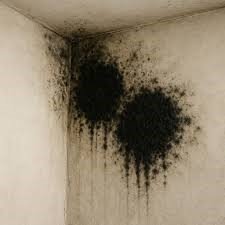
Black mold is often a source of concern for homeowners, particularly when it appears in damp or water-damaged areas. While exposure can trigger allergic reactions and respiratory symptoms in sensitive individuals, health experts say black mold is unlikely to cause severe illness in most healthy people.
What Is Black Mold?
Black mold commonly refers to Stachybotrys chartarum, a fungus that thrives in warm, moist environments. It typically grows on materials containing cellulose, including wood, paper, drywall and insulation that have been exposed to excess moisture.
The fungus is most often found in areas affected by leaks, flooding or poor ventilation, such as bathrooms, basements, kitchens and around windows. As it grows, black mold releases microscopic spores into the air, often producing a distinctive musty odor.
Common Allergy Symptoms
People who are sensitive or allergic to mold may experience symptoms shortly after exposure. These reactions occur when the immune system identifies mold spores as harmful substances and releases chemicals that trigger inflammation.

Common symptoms include:
- Sneezing
- Runny or blocked nose
- Persistent coughing
- Postnasal drip
- Itchy or watery eyes
- Throat irritation
For individuals with asthma, exposure to mold may worsen respiratory symptoms, leading to wheezing, chest tightness, shortness of breath and increased coughing.
Who Is Most at Risk?
Although mold can irritate almost anyone, certain groups are more likely to experience significant symptoms. These include:
- People with mold allergies
- Individuals with asthma or chronic lung conditions
- Those with weakened immune systems
- People living or working in damp environments
Experts note that black mold is not necessarily more dangerous than other types of household mold. The severity of symptoms largely depends on an individual’s sensitivity and overall health.
How Mold Allergies Are Diagnosed
Healthcare providers may use allergy testing to confirm a mold allergy. Common methods include skin prick tests, which produce results within minutes, and blood tests that measure allergy-related antibodies.
A proper diagnosis can help determine whether mold exposure is responsible for recurring respiratory or allergy symptoms.
Treatment Options
While there is no cure for mold allergies, several treatments can help manage symptoms and reduce discomfort. These may include:
- Antihistamines
- Nasal corticosteroid sprays
- Saline nasal rinses
- Decongestants
- Asthma medications when needed
- Allergy immunotherapy (allergy shots) for severe cases
The most effective long-term strategy is reducing exposure to mold sources whenever possible.
Preventing Mold Growth at Home
Experts recommend controlling moisture to prevent mold from developing indoors. Helpful measures include:
- Keeping indoor humidity between 30% and 50%
- Repairing plumbing and roof leaks quickly
- Using exhaust fans in kitchens and bathrooms
- Drying wet materials promptly
- Replacing water-damaged drywall, carpets and ceiling tiles
- Maintaining heating and air-conditioning systems regularly
High-efficiency air filters and air purifiers may also help reduce airborne mold spores.
When to Seek Medical Attention
People whose symptoms interfere with daily activities or worsen despite treatment should consult a healthcare professional. Large mold infestations should be handled by trained remediation specialists to prevent spores from spreading throughout the home.
While black mold can be unpleasant and trigger allergy symptoms, early identification, proper cleanup and preventive measures can significantly reduce its impact on health and indoor air quality.




