(DDM) – Chelsea Football Club have officially confirmed that highly rated academy prospect Ibrahim Rabbaj has signed his first professional contract, marking a major step in the young attacker’s career.
DDM gathered that the professional agreement was completed shortly after Rabbaj celebrated his 17th birthday earlier this month, underlining Chelsea’s confidence in his long-term potential.
The new contract will keep the teenager at Stamford Bridge until 2028, with the club holding an option to extend the deal further once he turns 18 next year.
Rabbaj is widely regarded as one of the standout talents to emerge from Chelsea’s famed Cobham academy in recent seasons.
The Morocco youth international has impressed coaches and scouts alike with his technical ability, intelligence on the ball, and maturity beyond his age.
Chelsea sources say his performances throughout the current campaign played a decisive role in the club’s decision to reward him with professional terms.
Rabbaj has enjoyed a productive season across multiple competitions at youth level.
In the U18 Premier League, the attacker has scored four goals in seven appearances, demonstrating sharp movement and composure in front of goal.
He has also made his mark in European competition, registering one goal and two assists in the UEFA Youth League while featuring for Chelsea’s U19 side.
Those contributions have reinforced his reputation as a player capable of performing consistently against high-quality opposition.
Rabbaj joined Chelsea from Crystal Palace at the Under-12 level and has steadily climbed through the youth ranks.
At every stage of his development, he has shown notable progress in his decision-making, attacking output, and overall understanding of the game.
Coaches at Cobham are said to value his work ethic and willingness to learn, traits viewed as essential for success at senior level.
Although he has not yet made his debut for Chelsea’s U21 team, club insiders believe that promotion could come sooner rather than later.
His current form has reportedly placed him firmly on the radar of the U21 coaching staff.
Chelsea are understood to be carefully managing his development to ensure a smooth transition to higher levels of competition.
Rabbaj’s contract makes him the latest academy player to secure professional terms during the ongoing season.
The move reflects Chelsea’s continued commitment to developing homegrown talent despite expected structural changes within the academy in the coming years.
The club has maintained a strong focus on youth development as part of its broader long-term strategy.
However, sources indicate that not all academy graduates may remain at the club beyond 2026 as Chelsea reassess squad balance and pathways to the first team.
Against that backdrop, Rabbaj’s new deal is seen internally as a clear statement of faith in his future at the club.
Officials believe he has the attributes required to push for senior opportunities if his development continues on its current trajectory.
Chelsea supporters have also expressed optimism about the youngster’s progress, viewing him as another example of the academy’s enduring quality.
For Rabbaj, the contract represents both a reward for past performances and a challenge to maintain his upward momentum.
The teenager is expected to continue featuring prominently at youth level while working toward a breakthrough into Chelsea’s senior setup.
As Chelsea look to blend youth with experience in the years ahead, Ibrahim Rabbaj is now firmly positioned as one of the academy prospects to watch closely.
Former Nigerian Minister of Petroleum Resources, Diezani Alison-Madueke, appeared before the Southwark Crown Court in London for a preliminary hearing on bribery charges.
She was accused by UK’s National Crime Agency of accepting bribes between 2011 and 2015, including £100,000 in cash, luxury cars, private jet flights, and London properties.
Alison-Madueke, 65, has denied six charges and has been on bail since her 2015 arrest.
Her full trial starts January 26, 2026, and is expected to last 10-12 weeks.
Preliminary proceedings, including technical matters and jury selection, began this week, with Alison-Madueke in attendance.
“We suspect Diezani Alison-Madueke abused her power in Nigeria and accepted financial rewards for awarding multi-million-pound contracts,” the NCA said at the time.
The charges also detailed financial rewards including furniture, renovation work, and staff for the properties, payment of private school fees, and gifts from top designer shops such as Louis Vuitton.
Two others are also being prosecuted on bribery charges linked to the case: Doye Agama, who appeared in court via video link on Monday, and Olatimbo Ayinde, who was present in the dock.
A 300-level Computer Science student at Ibrahim Badamasi Babangida University (IBBU), Kelvin Danlami, was found dead in his off-campus residence after allegedly losing ₦600,000 to gambling.
The funds, according to reports, were meant for accommodation expenses, but Danlami used them to gamble.
A fellow student who spoke to Daily Trust confirmed that Danlami was found unresponsive in his off-campus residence by a neighbour, who immediately raised an alarm and contacted authorities.
“It is true that we lost one of our colleagues,” the student said. “It was linked to money that was meant for rent but was allegedly used for gambling.”
The incident has sparked widespread grief and concern among students and officials, highlighting the growing issue of gambling addiction among young people.
Meanwhile, the police confirmed Danlami’s death and are investigating the circumstances surrounding the incident.
The Students’ Union Government described his death as a tragic loss, emphasizing the need for greater awareness about mental health, financial pressure, and the impact of gambling on students.
This incident has reignited discussions about the dangers of gambling addiction, particularly among students facing financial stress.
Many are calling for institutions, families, and society to take mental health concerns seriously and provide support systems for students.
The Rivers State Police Command has arrested an inspector, Victor Okus, over the alleged fatal shooting of a fellow police officer, Insp. Ibrahim Sani, in Port Harcourt.
The command’s spokesperson, CSP Grace Iringe-Koko, confirmed the arrest in a statement issued on Monday, January 19, 2026.
She said Okus, who is attached to the 17 Police Mobile Force (PMF) and was on special duty at Intels Logistics Company in Onne, is currently in police custody.
According to the statement, the incident occurred on January 18 at about 1:20 p.m. at the Next Cash and Carry Supermarket in the Trans Amadi area of Port Harcourt.
Iringe-Koko explained that the deceased officer and another colleague, both attached to the 14 PMF in Yola, were on joint guard duty with military personnel at the time of the incident.
Preliminary investigations, she said, revealed that Okus allegedly opened fire on his colleagues, resulting in gunshot injuries to their head and neck regions.
“The injured officers were immediately taken to the hospital for medical attention, but Insp. Ibrahim Sani later died from the injuries he sustained,” the police spokesperson said.
She added that the remains of the deceased have been deposited at the Military Hospital Mortuary for preservation and autopsy, while the second officer who sustained multiple gunshot wounds is currently receiving treatment at an undisclosed hospital.
Iringe-Koko stated that the suspect would undergo an orderly room trial to determine the motive behind the shooting and would subsequently be charged to court if found culpable.
The statement also quoted the Commissioner of Police in Rivers State, Olugbenga Adepoju, as ordering a thorough and transparent investigation into the incident to establish the full circumstances surrounding the shooting.
Adepoju reportedly cautioned officers handling firearms to exercise maximum responsibility and professionalism, stressing the need to prioritise the safety of colleagues and members of the public while on duty.
He further emphasised that discipline must be upheld at all times to prevent avoidable tragedies within the force.
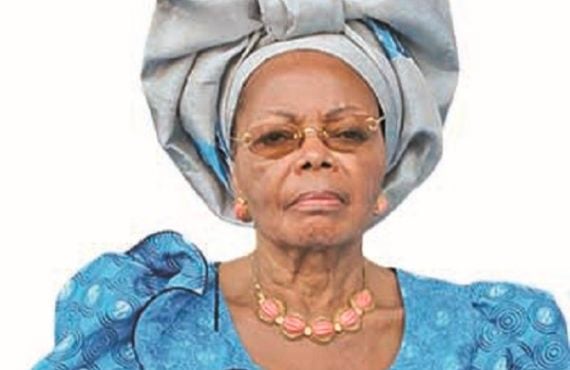
Concern and anxiety have gripped family members, associates, and the wider Lagos social and cultural community following the declaration that Mrs. Opral Benson, the revered Iya Oge of Lagos, has been missing for more than 48 hours. DDM NEWS reports that the family officially raised the alarm on Sunday after all efforts to locate the respected entrepreneur and traditional title holder proved unsuccessful.
According to a notice issued by the family, Mrs. Benson was last seen on Tuesday, January 13, 2026, and has not returned home since then. Since her disappearance, her whereabouts have remained unknown, prompting urgent appeals to the public and security agencies for assistance in locating her. The family described the situation as highly time-sensitive, stressing that every moment counts as efforts to trace her continue.
In the statement made available to DDM NEWS, the family confirmed that all usual means of reaching Mrs. Benson had failed, raising fears about her safety and well-being. “The family reports that Mama Opral Benson has been missing since Tuesday, January 13, 2026. She has not returned home and her current whereabouts are unknown,” the notice stated. The message further appealed to anyone with even the smallest piece of information to come forward immediately.
The family urged members of the public who may have seen Mrs. Benson or have any information that could aid the search to contact them directly via 08037039214 or report to the nearest police station. They also appealed for the notice to be shared widely across social media platforms and community networks to increase the chances of locating her quickly.
Mrs. Opral Benson is not just a private individual but a well-known figure whose influence spans business, education, fashion, diplomacy, and Lagos social life. Born on February 7, 1935, she is an American-Liberian and Nigerian entrepreneur and socialite who has lived an eventful and impactful life marked by service, leadership, and cultural engagement. Her disappearance has therefore sparked widespread concern far beyond her immediate family, resonating across professional, traditional, and diplomatic circles.
DDM NEWS gathered that Mrs. Benson holds the traditional chieftaincy title of Iya Oge of Lagos, a highly respected cultural position associated with the promotion of fashion, elegance, and the preservation of indigenous Lagos identity. The title places her among custodians of Yoruba cultural heritage in Lagos, making her absence particularly alarming to those who value the city’s traditions and history.
She was married to the late Chief T.O.S. Benson, a prominent Nigerian politician, lawyer, and nationalist, from 1962 until his death. Their union positioned her at the heart of Nigeria’s elite political and social class for decades, during which she built a reputation for grace, intelligence, and active engagement in national development.
Professionally, Mrs. Benson’s career has been both diverse and distinguished. She previously served as a university administrator, contributing to academic development and institutional management at a time when higher education in Nigeria was undergoing rapid growth. Her passion for creativity and self-development later found expression in the fashion and beauty industry, where she currently manages a fashion and beauty school in Lagos, mentoring younger generations and promoting skills acquisition.
In addition to her entrepreneurial pursuits, Mrs. Benson also had a notable corporate career. She once served as a director at Johnson’s Products Nigeria, the local affiliate of the multinational Johnson & Johnson brand. In that role, she was involved in corporate governance and strategic decision-making, at a time when few women occupied such positions in Nigeria’s corporate sector.
Her influence extended beyond business and culture into diplomacy. In 2012, she was appointed the Honorary Consul of Liberia in Lagos, a role that further underscored her standing and credibility both locally and internationally. As honorary consul, she was involved in fostering bilateral relations, assisting Liberian nationals, and strengthening ties between Liberia and Nigeria.
Given her age, background, and prominence, the circumstances surrounding Mrs. Benson’s disappearance have raised serious concerns among observers. DDM NEWS understands that family members are working closely with relevant authorities while also relying on public cooperation to widen the search. Although no official details have been released regarding possible causes or circumstances of her disappearance, the family has emphasised that time is critical and that public vigilance could make a decisive difference.
As news of her disappearance spread, messages of concern, prayers, and solidarity began to pour in from friends, cultural leaders, members of the business community, and ordinary Lagos residents who recognise her contributions to society. Many have taken to social media to share the missing-person notice, echoing the family’s plea for collective action.
DDM NEWS reports that the family has reiterated its call for calm while urging the public to remain alert and proactive. They stressed that even information that may seem insignificant could be vital in piecing together her movements and locating her safely.
As the search continues, the disappearance of Opral Benson has cast a somber mood over Lagos’ cultural and social landscape. For many, she represents not only elegance and tradition but also decades of service across multiple sectors. Her absence is deeply felt, and hopes remain high that with intensified efforts, cooperation from the public, and swift action by security agencies, she will be found and reunited with her loved ones.
DDM NEWS will continue to monitor developments closely and provide updates as more information becomes available. Anyone with relevant information is once again urged to contact the family or the nearest police station without delay.
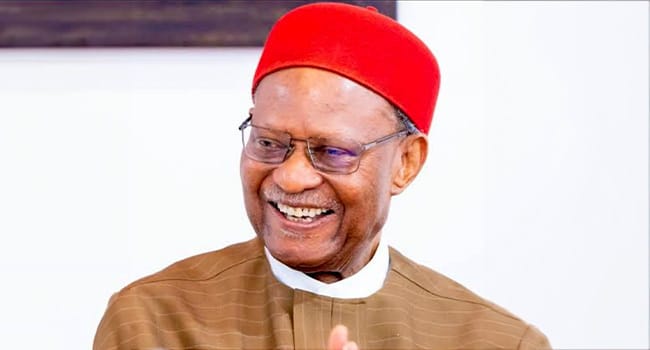
The Governor of Anambra State, Chukwuma Charles Soludo, has conveyed his warmest congratulations to a world-renowned diplomat and revered national patriot, Chief Emeka Anyaoku, GCON, on the occasion of his 93rd birthday.
Soludo in his congratulatory message issued by his spokesman, Christian Aburime, extolled Chief Anyaoku as an eminent patriarch of diplomacy, a statesman of global reckoning, and a national treasure whose life’s work has brought immense pride to Nigeria and, in particular, to his beloved Anambra State.
“His illustrious tenure as the third Commonwealth Secretary-General remains a masterclass in international leadership, conflict resolution, and the steadfast advocacy for democracy, human rights, and sustainable development.
“Across the world’s stage, he embodied the finest values of our homeland: wisdom, integrity, and an uncompromising loyalty to the common good”, the message said.
The Governor added that at home, Chief Anyaoku continued to be an inspiration exemplar of intellectual rigour, principled guidance, and patriotic devotion.
He said Anyaoku’s counsel, borne of profound experience and deep love for selfless service, remains an invaluable asset in our collective quest for a progressive Anambra and united Nigeria.
“Thus, Governor Soludo heartily congratulates Chief Emeka Anyaoku on his 93rd birthday, celebrating not just his gift of aging gracefully, but the extraordinary impact and legacy he has bequeathed to Nigeria, Africa and the world.
“The Governor wishes Chief Anyaoku continued excellent health, enduring fulfilment, and profound peace in the years ahead”, he added.
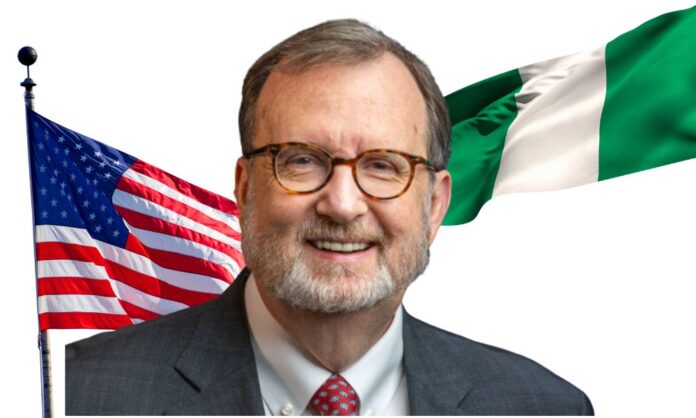
Ambassador Richard Mills has officially completed his assignment as the United States Ambassador to Nigeria, marking the end of his tenure at the U.S. Mission.
In a statement posted on the U.S. Mission’s X (formerly Twitter) account on Tuesday, January 20, the Mission highlighted Mills’s contributions over the past year and a half, emphasizing his role in strengthening diplomatic, economic, and security ties between the United States and Nigeria.
“His leadership focused on enhancing cooperation in trade, investment, and regional security initiatives, reinforcing the long-standing partnership between the two countries,” the post read.
Following Mills’s departure, Keith Heffern, the Mission’s Deputy Chief of Mission, has assumed the role of Charge d’Affaires ad interim and will lead the U.S. Mission until a new ambassador is appointed.
The U.S. Mission expressed gratitude for Mills’s dedication and service, noting his efforts to advance U.S.-Nigeria relations and promote mutual understanding between the two nations.
“Ambassador Richard Mills led the U.S. Mission in strengthening our relationship with Nigeria for the last year and a half. Current Deputy Chief of Mission Keith Heffern will serve as Charge d’Affaires, a.i. until further notice,” the statement read.
During his tenure, Mills collaborated with Nigerian authorities on initiatives spanning trade, investment, and regional security, further cementing the strategic partnership between the two countries.
Former Imo State Governor, Dr. Achike Udenwa, has officially defected to the African Democratic Congress (ADC), marking a significant political development ahead of the 2027 general elections.
DDM gathered that Udenwa completed his registration on Thursday at Amaifeke Ward in Orlu Local Government Area, where he was issued ADC membership number 001.
The former governor personally presented himself at his ward to formalise his entry into the party, underscoring his emphasis on grassroots political participation.
ADC ward officials conducted the registration exercise in the presence of party leaders, supporters, and stakeholders from across Orlu zone.
The Amaifeke Ward Secretary, Hon. Anthony Okoro, officially registered Udenwa, while the Ward Chairman, Engr. Uzonna Oriowe, presented him with his ADC membership card.
Party supporters described the moment as historic, noting that the registration of a former governor as ward member 001 symbolised humility and renewed political commitment.
Speaking shortly after his registration, Udenwa said his decision followed extensive consultations and deep personal reflection.
He explained that he chose the ADC because of its internal democratic structure and emphasis on integrity-driven leadership.
Udenwa stated that many leaders within the ADC were individuals he previously worked with during his tenure as governor.
He stressed that the party offers a credible alternative platform capable of addressing Nigeria’s leadership and governance challenges.
According to him, joining the ADC was motivated by service to the people rather than personal political ambition.
The former governor described his registration at the ward level as deliberate and symbolic.
He said beginning from the grassroots was essential to building a people-oriented political movement.
Udenwa expressed confidence that the ADC could be built into a party that truly reflects the aspirations of Nigerians.
The Imo State Chairman of the ADC, Prof. James Okoroma, led members of the State Executive Committee to witness the registration ceremony.
Several party stakeholders from the Orlu zone also attended the event in solidarity.
Prof. Okoroma described Udenwa’s defection as a landmark moment for the ADC in Imo State.
He said the former governor’s entry significantly strengthens the party’s structure and credibility across the state.
Okoroma noted that registering Udenwa as member 001 reinforced the ADC’s commitment to grassroots mobilisation.
He added that the party has continued to attract prominent political figures since its declaration in Enugu on December 31, 2025.
Other dignitaries present included Prof. Francis Ukaigkwe, Dr. Vin Udokwu, and several party chieftains.
The Amaifeke Ward Chairman said Udenwa’s entry would boost the ADC’s electoral prospects in future contests.
ADC leaders from Orlu zone described the former governor as a leader whose administration prioritised governance and stability.
They said his decision signalled the emergence of a new political momentum in Imo State.
In his closing remarks, Udenwa pledged total loyalty to the ADC and its leadership.
He assured party members of his readiness to help build a disciplined and united political platform.
Udenwa said he left the PDP to contribute to correcting leadership failures and restoring hope to the people.
He urged Imo residents to embrace the ADC as a vehicle for political renewal and accountable governance.
He also advised party leaders to remain united, accommodating, and focused as the party continues to expand statewide.
According to him, unity and discipline remain critical to winning elections and delivering good governance.
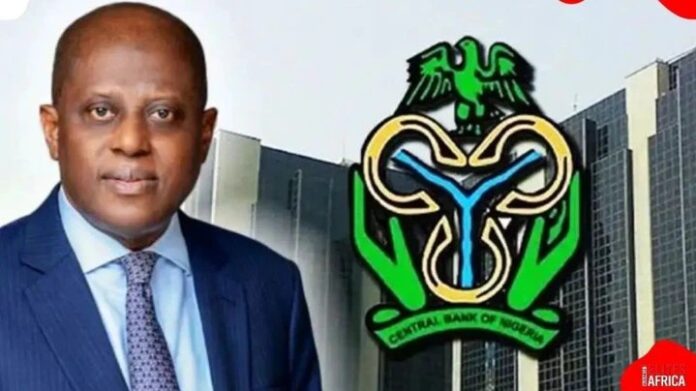
(DDM) – The Central Bank of Nigeria has disclosed that 20 deposit money banks have successfully met the new minimum capital requirements introduced under its ongoing banking sector recapitalisation programme.
The apex bank made the disclosure in Lagos during the presentation of the Nigerian Economic Summit Group’s 2026 Macroeconomic Outlook, as the March 31, 2026 compliance deadline steadily approaches.
CBN officials used the platform to stress that recapitalisation is not an end in itself but a means to strengthen the real economy through increased and better-targeted lending.
The regulator said it expects stronger bank balance sheets to translate into real credit expansion for businesses, households, and critical sectors of the economy, rather than existing only as improved figures on financial statements.
According to the CBN, recapitalisation forms part of a broader national strategy to position Nigeria’s financial system to support long-term economic growth and the ambition of building a trillion-dollar economy.
The bank explained that better-capitalised financial institutions can assume larger and longer-term risks, finance major infrastructure and industrial projects, and expand access to credit, especially for small and medium-sized enterprises.
CBN officials emphasised that SMEs require patient capital and longer repayment horizons, which undercapitalised banks often struggle to provide.
Under the recapitalisation framework announced in March 2024, the CBN reset minimum capital thresholds across banking licence categories.
Commercial banks with international authorisation must now maintain a minimum capital base of ₦500 billion.
Banks operating with national authorisation must meet a ₦200 billion capital requirement.
Regional commercial banks are required to maintain a minimum capital base of ₦50 billion.
The apex bank clarified that only paid-in capital qualifies for meeting the new thresholds, defined as paid-up share capital plus share premium.
The CBN excluded bonus issues and certain reserves from qualifying instruments under the new rules.
The compliance window officially runs from April 1, 2024 to March 31, 2026, giving banks two years to adjust their capital structures.
Based on updates from the recapitalisation exercise, 20 banks have already met the required thresholds across the various licence categories.
The compliant banks include Access Bank Plc, Zenith Bank Plc, United Bank for Africa Plc, Fidelity Bank Plc, Guaranty Trust Bank, First HoldCo Plc, Ecobank Nigeria, Citibank Nigeria Limited, and Stanbic IBTC Bank.
Others listed are Wema Bank Plc, Premium Trust Bank, Globus Bank, Providus Bank, Lotus Bank, Jaiz Bank, Unity Bank through a merger structure, Polaris Bank, The Alternative Bank, Sterling Bank, and Nova Bank.
Despite the progress, the CBN warned that compliance represents only the first stage of the reform process.
The regulator said it will intensify oversight to ensure that increased capital bases result in productive, sustainable, and inclusive lending to priority sectors.
CBN officials disclosed that technology-driven monitoring tools are already in use to track how banks deploy their strengthened capital positions.
The apex bank also highlighted Nigeria’s significant development finance gap, noting that funding needs in key sectors far exceed the capacity of existing development finance institutions.
As a result, the CBN said it is placing greater emphasis on mobilising private capital, both locally and internationally, to support national development goals.
With the compliance deadline approaching, banks yet to meet the requirements face limited strategic options.
The CBN listed fresh equity raises, attraction of strategic investors, mergers, acquisitions, or licence downgrades as possible pathways.
Industry analysts have already begun projecting consolidation within the sector.
A recent outlook by rating firm DataPro predicted that at least three bank mergers could occur in early 2026 as smaller lenders race to meet the recapitalisation deadline.
The CBN maintained that the ultimate success of the recapitalisation programme will depend on its impact on economic growth, job creation, and financial inclusion across Nigeria.
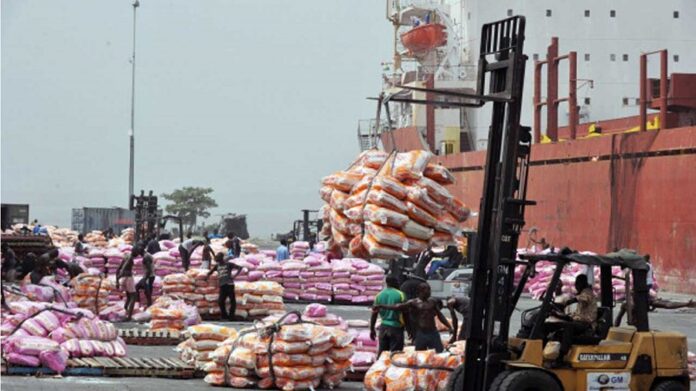
Nigeria’s long-running quest to free its economy from overdependence on crude oil appears to be yielding tangible results, as the country’s non-oil exports surged to a historic high of $6.1 billion in 2025, marking the strongest performance in nearly five decades. The figure represents an 11.5 per cent increase over the $5.4 billion recorded in 2024 and stands as the highest value of formally documented non-oil exports since the establishment of the Nigerian Export Promotion Council (NEPC) almost 50 years ago.
DDM NEWS reports that the milestone was disclosed on Monday in Abuja by the Executive Director and Chief Executive Officer of the NEPC, Mrs. Nonye Ayeni, during the council’s annual progress report and 2026 non-oil export outlook briefing. The announcement has been widely interpreted by policymakers and analysts as a major boost to Nigeria’s economic diversification agenda, which aims to reduce exposure to volatile global oil prices while strengthening foreign exchange earnings.
Addressing stakeholders, Ayeni said data obtained from pre-shipment inspection agencies confirmed that Nigeria had not only surpassed its 2024 performance but had also broken all previous records in the history of formal non-oil trade. According to her, the 2025 outcome represents a watershed moment for the export sector and validates years of policy reforms, private-sector engagement, and targeted support for exporters.
“Ladies and gentlemen, based on the records obtained from pre-shipment inspection agencies, Nigerian non-oil export performance in 2025 reached an all-time high,” Ayeni said. “The non-oil export sector rose to approximately 6.1 billion U.S. dollars, representing a year-on-year growth of about 11.5 per cent over and above the 5.4 billion U.S. dollars recorded in 2024.”
She stressed that the achievement was not incremental but historic, noting that it represents the highest value of formally documented non-oil exports since the council’s inception. “This marks the highest non-oil export value achieved in the country for formal documented trade and also from the inception of the council almost 50 years ago,” she said. “So we have indeed beaten our own records of last year.”
DDM NEWS understands that beyond the impressive headline value, the 2025 performance also reflected broad-based growth across multiple sectors of the economy. Ayeni explained that the $6.1 billion export value was driven by increased activity across several value chains, including agricultural commodities, processed and semi-processed goods, industrial inputs, and solid minerals. This, she noted, points to gradual but steady progress in value addition and product diversification, two critical pillars of sustainable export growth.
In terms of volume, Nigeria’s non-oil exports also recorded a significant jump. Total export volumes reached 8.02 million metric tonnes in 2025, up from 7.29 million metric tonnes in 2024, representing an increase of nearly 10 per cent. The growth in both value and volume suggests that Nigeria is not only exporting more goods but is also capturing better prices through improved quality, processing, and access to international markets.
Ayeni further revealed that Nigeria exported 281 distinct non-oil products in 2025, underscoring the country’s expanding export basket and deeper integration into global value chains. According to her, this diversification is critical to insulating the economy from shocks and creating jobs across agriculture, manufacturing, mining, and logistics.
“In 2025 alone, Nigeria exported a total of 281 non-oil products,” she stated. “This reflects our steady transition towards value-added exports and deeper integration into global value chains.”
DDM NEWS reports that the achievement comes amid renewed government efforts to boost foreign exchange inflows, stabilise the naira, and strengthen macroeconomic resilience. For decades, Nigeria’s heavy reliance on crude oil exports left the economy vulnerable to global price swings, production disruptions, and external shocks. The sharp fall in oil prices in previous years exposed these vulnerabilities and intensified calls for diversification.
While celebrating the record-breaking performance, the NEPC boss cautioned that the figures still do not fully capture Nigeria’s true export potential. She noted that a significant volume of trade continues to take place informally across Nigeria’s land borders, particularly within West and Central Africa. Such transactions, though economically relevant, often fall outside official documentation and therefore do not reflect in national export statistics.
To address this gap, Ayeni said the council is working closely with the National Bureau of Statistics (NBS), the Central Bank of Nigeria (CBN), and other key stakeholders to mainstream informal trade into official export records. According to her, improving data accuracy will not only provide a clearer picture of Nigeria’s trade performance but also help policymakers design more effective interventions for exporters.
DDM NEWS gathered that the NEPC plans to intensify reforms and support measures in 2026 to sustain the current momentum. These include expanded export incentives, enhanced capacity-building programmes for small and medium-scale exporters, improved access to finance, and stronger collaboration with state governments to develop export-ready clusters.
Ayeni emphasised that sustaining growth will require consistency in policy implementation, infrastructure development, and trade facilitation. She added that ongoing efforts to simplify export procedures, reduce logistics bottlenecks, and improve quality standards would remain a priority for the council.
Analysts say the latest figures signal a gradual shift in Nigeria’s economic structure, with non-oil exports beginning to assume a more prominent role in foreign exchange generation. While crude oil still dominates export earnings, the rising contribution of non-oil sectors is seen as a positive indicator of long-term stability and inclusive growth.
For many stakeholders, the record-breaking $6.1 billion performance is more than just a statistical milestone. It represents renewed confidence in Nigeria’s productive sectors and highlights the potential of agriculture, manufacturing, and solid minerals to drive economic transformation if properly supported.
As Nigeria looks ahead to 2026, DDM NEWS reports that expectations are high that sustained reforms, improved market access, and continued diversification will push non-oil exports even further, reinforcing the country’s path toward a more balanced, resilient, and competitive economy on the global stage.
Diaspora Digital Media (DDM) stands as a trusted media and communications brand with a strong footprint across Nigeria and the diaspora, built on years of professional storytelling, digital strategy, and impactful content delivery.
Founded with a vision to bridge Africa and the global community through credible media, Diaspora Digital Media has grown into a respected platform known for high-quality journalism, political communication, corporate branding, and event coverage.
At the core of DDM’s operations is a commitment to excellence, accuracy, and visual storytelling that captures moments as they truly happen.
Diaspora Digital Media offers professional event and live coverage services designed to bring events to life while preserving their meaning, energy, and significance.
From high-level conferences, political engagements, corporate launches, and stakeholder meetings to weddings, cultural festivals, anniversaries, and special celebrations, DDM delivers content that reflects professionalism and emotional depth.
Our experienced media team combines modern equipment, creative direction, and editorial expertise to produce sharp visuals, engaging videos, and compelling narratives tailored to each client’s purpose.
Diaspora Digital Media does not merely document events.
We interpret moments, highlight key messages, and transform experiences into lasting digital assets that can be shared across television, websites, social media platforms, and private archives.
With deep roots in political reporting, governance communication, diaspora engagement, and grassroots storytelling, DDM understands how to frame events within the right context and communicate them to the right audience.
Our background in media advocacy and digital branding enables us to position events strategically, ensuring visibility, credibility, and long-term relevance.
Clients trust Diaspora Digital Media because we deliver with precision, integrity, and speed.
We work closely with organizers before, during, and after events to ensure seamless coverage and timely content delivery.
Whether your goal is public engagement, brand promotion, documentation, or memory preservation, Diaspora Digital Media provides solutions that meet international standards.
We do not just cover events.
We preserve history, amplify voices, and capture moments that matter.
📞 Phone/WhatsApp: +234-811-380-8400
📧 Email: info@diasporadigitalmedia.com
Diaspora Digital Media (DDM), Capturing moments that matter, connecting stories to the world.
👇👇👇
_Become a Tech Pro! DDM Cohort 7 training starts on January 26th 2025, Secure your Spot Now! Join the registration group below:_
A troubling pattern is emerging within parts of the Indian diaspora in the United Kingdom, as new data and expert testimony point to a record number of baby girls allegedly being aborted due to a persistent cultural preference for male children. An investigation has revealed stark birth-ratio imbalances that experts say strongly suggest the continued practice of sex-selective abortions, despite clear legal prohibitions and long-standing government guidance declaring such actions unlawful.
DDM NEWS reports that between 2021 and 2025, official statistics indicate a significant distortion in the ratio of male to female births among Indian mothers living in Britain. During this four-year period, approximately 118 boys were born for every 100 girls, a figure that far exceeds both the national average and the government’s accepted upper threshold for natural variation in birth ratios. Across all ethnic groups in the UK, the typical ratio stands at around 105 boys to every 100 girls, with statisticians warning that any sustained figure above 107 boys per 100 girls raises red flags about potential sex-selective practices.
According to data produced by the Office for National Statistics (ONS) and analysed for a national investigation, the disparity within the Indian community is not only statistically significant but also unprecedented in recent years. Experts argue that such a consistent imbalance cannot be explained by chance alone and instead points toward deliberate interventions, including sex-selective abortions or the misuse of reproductive technologies.
Sex-selective abortion is explicitly against the law in the UK. Government guidance makes it clear that terminating a pregnancy solely on the basis of the unborn child’s sex is illegal, unethical, and contrary to the principles of equality and human rights. Yet, despite these legal safeguards, campaigners and women’s rights advocates warn that deeply ingrained cultural attitudes continue to exert pressure on expectant mothers, often behind closed doors and beyond the reach of formal oversight.
Speaking on the issue, Rani Bilkhu, founder of the domestic abuse charity Jeena International, described the findings as deeply distressing and symptomatic of wider gender inequality within certain communities. “The data shows how boys are being favoured more than girls,” she said. “This shows how community pressures—whether from husbands, in-laws, or extended family—are leading women to abort girls.”
Bilkhu further explained that the issue cannot be understood solely in terms of external coercion. “Some women are also led to abort girls because they have been brought up to believe boys are better than girls, that boys carry the family name and girls don’t,” she noted. “They feel they are worth more if they give birth to boys.” According to her, this internalised belief system reflects a lifetime of social conditioning that devalues female children and ties a woman’s worth to her ability to produce a male heir.
DDM NEWS understands that activists often refer to this phenomenon as a form of “prince syndrome,” where boys are treated as inherently more valuable, entitled, and central to family identity than girls. “I feel boys in the Indian community have the ‘prince syndrome,’” Bilkhu added. “They are seen as better. This is not just an issue about abortion; it is fundamentally about gender equality.”
Pro-life and human rights groups have also expressed alarm over the findings. A spokesperson for Right to Life described the data as “deeply concerning” and warned that the true scale of sex-selective abortion in the UK may be far greater than current figures suggest. According to the organisation, statistical distortions are harder to detect in minority communities with smaller population sizes, meaning that even high proportions of sex-selective terminations may not always register as dramatic anomalies in national datasets.
“This data is very likely to underestimate the number of sex-selective abortions taking place in the UK,” the spokesperson said. “What we are seeing may only be the tip of the iceberg.” The group argues that stronger monitoring, improved safeguarding measures, and culturally sensitive interventions are needed to protect vulnerable women and unborn girls.
Statisticians echo these concerns, noting that birth ratios are a well-established tool for identifying unnatural demographic patterns. Under normal biological conditions, slightly more boys than girls are born, but the margin is narrow and consistent. When ratios rise significantly above expected levels over several years, it suggests deliberate human intervention rather than random variation. In the case of Indian mothers in the UK between 2021 and 2025, the sustained ratio of 118 boys to 100 girls falls well outside the accepted norm.
The revelations have reignited calls for more robust enforcement of existing laws and greater community engagement to address the cultural roots of gender bias. Experts stress that legislation alone cannot solve the problem if harmful beliefs continue to be passed down through generations. Education, advocacy, and open dialogue within affected communities are seen as critical steps toward dismantling the notion that male children are inherently more valuable than female ones.
DDM NEWS reports that campaigners are urging healthcare professionals to receive enhanced training to recognise signs of coercion and to ensure that women seeking abortions are doing so freely, without familial or cultural pressure. There are also calls for better data collection and transparency to help authorities identify and respond to emerging trends more effectively.
At its core, the issue raises uncomfortable questions about gender equality, cultural traditions, and the limits of state intervention in private family matters. While many within the British Indian community reject sex-selective practices and actively campaign for gender equality, the data suggests that harmful attitudes persist in certain quarters, with devastating consequences.
As the debate continues, one point remains clear: the lives and rights of unborn girls, as well as the autonomy and wellbeing of women, must remain central to any response. The challenge for policymakers, community leaders, and society at large is to confront these practices not only as a legal violation but as a profound moral and social failure.
Former President Olusegun Obasanjo’s visit to former military Head of State, General Ibrahim Badamasi Babangida (IBB), in Minna, Niger State, on Monday has reignited intense political speculation across Nigeria, particularly as preparations for the 2027 general elections gradually gather momentum. Though officially shrouded in silence, the brief but strategic meeting between the two elder statesmen has stirred conversations within political circles about behind-the-scenes manoeuvring and possible realignments ahead of the next presidential race.
DDM NEWS reports that Obasanjo arrived in Minna via the Ahmed Bola Tinubu International Airport, where he was received by protocol officials attached to the Niger State Government House. From the airport, the former president proceeded directly to Babangida’s iconic hilltop residence, a location that has over the decades become synonymous with high-level political consultations and strategic discussions involving Nigeria’s power brokers.
Sources familiar with the visit told DDM NEWS that the meeting between Obasanjo and Babangida was conducted behind closed doors and lasted for approximately 30 minutes. Shortly after the meeting, Obasanjo returned to the airport and departed Minna, a sequence of events that has further deepened speculation about the true purpose of the visit. While neither of the former leaders addressed the media nor issued an official statement, the timing and nature of the engagement have been widely interpreted as politically significant.
Political observers note that both Obasanjo and Babangida, despite no longer holding public office, remain influential figures whose opinions and interventions continue to shape Nigeria’s political direction. Their meeting comes at a time when political actors across party lines are quietly positioning themselves, forming alliances, and exploring coalition options ahead of 2027. As such, even a short private interaction between the two has been enough to send signals through the nation’s political landscape.
According to sources who spoke on condition of anonymity, the Minna meeting may not be unconnected with broader national issues, including governance challenges, security concerns, and, most notably, emerging permutations surrounding the 2027 presidential election. While such meetings between elder statesmen are often framed as consultations on national unity and stability, analysts argue that it would be naïve to separate them entirely from electoral considerations, especially given the proximity of the next general elections.
In recent weeks, Obasanjo has been at the centre of intense political discussions following reports linking him to a proposed opposition realignment involving key political figures. DDM NEWS understands that the former president has been associated with behind-the-scenes efforts to promote a potential joint presidential ticket featuring Labour Party’s 2023 flagbearer, Peter Obi, and former Kano State governor, Rabiu Musa Kwankwaso. The proposed arrangement is reportedly being considered under the platform of the coalition-driven African Democratic Congress (ADC).
According to these reports, the Obi–Kwankwaso ticket is being positioned as a strategic force within the ADC, first to challenge former Vice President Atiku Abubakar for the party’s presidential ticket, and subsequently, if successful, to mount a broader opposition challenge against President Bola Ahmed Tinubu’s anticipated re-election bid in 2027. Supporters of the idea argue that such a coalition could consolidate votes across regions and political blocs that were fragmented during the 2023 elections.
Further reports have suggested that the plan includes contingency options should the ADC route fail, with Obi and Kwankwaso potentially exploring alternative political platforms capable of sustaining a formidable challenge at the national level. Though these claims remain speculative, they have gained traction due to Obasanjo’s long-standing reputation for influencing political outcomes and facilitating elite consensus.
General Babangida’s name has also surfaced prominently in these discussions. DDM NEWS gathered that the former military leader has allegedly encouraged Kwankwaso to consider leaving the New Nigeria Peoples Party (NNPP) for the ADC, a move analysts describe as part of a broader strategy to strengthen a coalition capable of reshaping the opposition landscape. Babangida’s political network, cultivated over decades, continues to wield quiet but substantial influence, particularly among northern political elites.
Despite the swirling rumours, both Obasanjo and Babangida have maintained public silence, choosing neither to confirm nor deny the speculations. This silence, however, has done little to dampen interpretations of their Minna meeting as a deliberate and calculated engagement tied to unfolding political developments. In political circles, the meeting is being read as a possible alignment of minds between two influential figures who have historically played pivotal roles during moments of national transition.
Analysts note that the significance of the visit also lies in its symbolism. Obasanjo and Babangida represent different eras of Nigeria’s leadership, yet both have demonstrated an enduring ability to shape discourse and outcomes long after leaving office. Their interaction at this juncture sends a message that the old guard is still paying close attention to the nation’s political future and may yet play a role in determining its direction.
As Nigeria inches closer to 2027, meetings such as this are expected to become more frequent, though often conducted discreetly. DDM NEWS understands that while younger political actors dominate public campaigns and party activities, influential elder statesmen continue to operate largely behind the scenes, brokering alliances, mediating disputes, and offering strategic counsel.
For now, the true details of what transpired during the closed-door session in Minna remain known only to the two men involved. Yet, the impact of the visit has already been felt, fuelling conversations, analysis, and speculation nationwide. Whether the meeting marks a concrete step toward a new political coalition or simply a routine consultation between two former leaders, one thing is clear: as 2027 approaches, every movement by Nigeria’s political heavyweights will continue to attract scrutiny and interpretation.
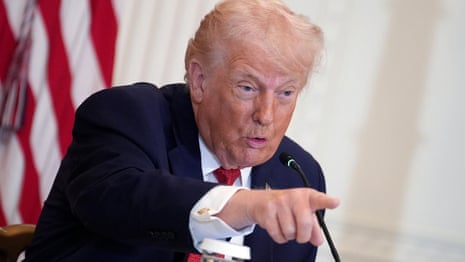
United States President Donald Trump on Tuesday sharply criticised the United Kingdom over its decision to hand over the Chagos Islands to Mauritius, describing the move as an act of “great stupidity” that undermines national security.
In a post on his Truth Social platform, Trump said Britain’s agreement to relinquish control of the Indian Ocean archipelago weakened Western security interests and reinforced his long-standing argument for the United States to acquire Greenland.
“The UK giving away extremely important land is an act of GREAT STUPIDITY, and is another in a very long line of National Security reasons why Greenland has to be acquired,” Trump wrote.
The comments represent a notable shift in Trump’s position, as he had previously expressed support for the Chagos deal.
Under the agreement, Britain will transfer sovereignty of the Chagos Islands to Mauritius, its former colony, while paying to lease the strategically important US-UK military base on Diego Garcia, the largest island in the archipelago.
Britain retained control of the islands after Mauritius gained independence in the 1960s, but forcibly removed thousands of Chagossians to make way for the military base. Displaced islanders have since pursued multiple legal actions in British courts seeking compensation and the right of return.
In 2019, the International Court of Justice ruled that Britain’s continued administration of the Chagos Islands was unlawful and advised that the territory should be returned to Mauritius, intensifying international pressure on London to resolve the long-running dispute.
Trump’s remarks come amid renewed tensions between Washington and several European allies, as the US president increasingly links territorial control and security concerns to broader geopolitical rivalries involving China and Russia.
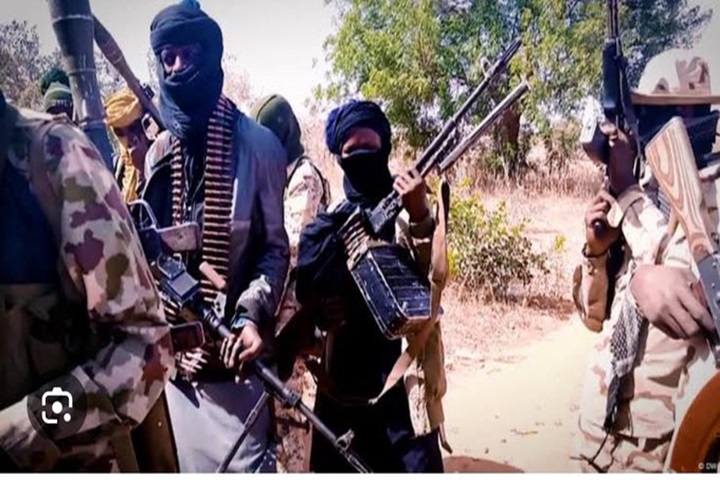
Armed bandits kidnapped over 150 Christians from multiple churches in Nigeria’s Kaduna state on Sunday, with reports varying on the exact number taken.
The Christian Association of Nigeria said 172 worshippers were abducted, with 9 escaping, leaving 163 still held.
Though, police confirmed dozens were taken, but are still verifying numbers.
The attack targeted a Catholic church and two Cherubim and Seraphim churches in Kurmin Wali, Kajuru area.
No group has claimed responsibility for the attack.
Mass kidnappings are increasingly common in Nigeria, with armed gangs targeting remote communities where the security and government presence is limited.
The attacks on churches have sparked claims of religious persecution by Donald Trump and others, although the Nigerian government said the security crisis is not a “Christian genocide.”
Nonetheless, on Christmas Day, US strikes rained down near Sokoto – a Muslim-majority city in the north of the country – allegedly targeting an Islamic State group in what Trump called a “Christmas present”.
Operatives of the Department of State Services (DSS) have arrested a former Attorney-General of the Federation (AGF) and Minister of Justice, Abubakar Malami, in Abuja.
Malami was reportedly arrested on Monday, January 19, at the frontage of the Kuje Correctional Centre shortly after leaving the facility.
A video sighted by Diaspora Digital Media shows the former justice minister being escorted into a vehicle believed to belong to the DSS.
In the footage, Malami is seen questioning the operatives and requesting to see their identification cards before entering the vehicle.
“Who is the oga among you? Can I see your ID card?” he was heard asking.
As of the time of filing this report, the DSS has not issued any official statement confirming the arrest.
It could be recalled that Malami, alongside his wife and son, was recently granted bail in the sum of N500 million each by Justice Emeka Nwite of the Federal High Court, Abuja.
The bail conditions were said to be strict.
The former AGF and his family members are currently being prosecuted by the Economic and Financial Crimes Commission (EFCC) on a 16-count charge bordering on alleged money laundering and related offences.
Their arraignment follows ongoing investigations into assets and financial transactions linked to Malami during and after his tenure as attorney-general.
When The New York Times published Ruth Maclean’s report from Onitsha on 18 January, 2026, it did more than profile a little-known activist. It constructed a morality play with a familiar cast: the obscure African agitator, the gullible Western politicians, and the enlightened Western newspaper arriving just in time to rescue truth from misinformation. At the centre of this drama stood Emeka Umeagbalasi, screwdriver merchant and director of a modest NGO, recast as the unlikely villain whose statistics, allegedly plucked from Google searches and Christian interest groups, had helped to shake global diplomacy and even inspire Christmas Day’s ‘swift and vicious’ airstrikes by the invincible US’ military apparatchik. But journalism, particularly investigative journalism, should illuminate complexity, not simplify it into a convenient scapegoatism.
There is no doubt that Umeagbalasi’s methods, as presented by the New York Times, raise legitimate questions. Self-reported data, unverifiable casualty figures, assumptions about victims’ religious identities, and limited field presence are serious weaknesses for any researcher claiming authority in a conflict zone. These are valid grounds for scrutiny. Nonetheless, the tone and structure of the report went far beyond scrutiny; they verged on theatrical indictment.
The article painstakingly catalogues every trivial detail of Umeagbalasi’s person and environment: his height, the solitary ear-bud perched in his ear, his tiny market stall stacked with screwdrivers and wrenches, the wheelbarrows of sugarcane he sidesteps like an acrobat. These details, rendered with exhausting precision, do more than paint a picture, which is that they subtly infantilize the subject, reducing a complex actor in a violent nation to a comic prop. The reader is coaxed to see not a flawed researcher, but a circus figure, a roadside trader whose spreadsheets, against all reason, have supposedly bent the judgment of the U.S. Congress, convinced senators to cite his work, and even inspired missiles to leap from the White House to African soil. The implication is irresistible and dangerous that global policy disasters can be laid at the feet of one small Nigerian man of Igbo extraction, the normal default setting for the thriving scapegoating enterprise in Nigeria!
The narrative is irresistible in its absurdity, but that is the danger. In presenting Umeagbalasi as the pivot of global calamity, the article invites its audience to swallow a cock-and-bull story hook, line, and sinker. For a news stable of The New York Times’ stature, this is not mere storytelling; it is an audacious exercise in ridicule. It taunts the entire military apparatus, the intelligence community, and the machinery of global policy, all while elevating a screwdriver merchant to the heights of geopolitical influence. Readers are offered spectacle in place of analysis, caricature in place of context, as if the serious work of diplomacy, strategy, and intelligence could be upended by a small man from an equally miniaturized Dot Republic in his ahịa mgbuka market shop. In this roller-coaster of mockery, Maclean’s pen performs an unclean job, and the audience is made complicit in laughing at tragedy while missing the system behind it.
This is where journalism begins to drift into narrative convenience. The United States did not bomb parts of Nigeria or threaten to reshape its security relations because of a screwdriver salesman in Onitsha. It acted because of its own domestic politics, its culture wars, its evangelical lobbying networks, its strategic interests in Africa, and its long tradition of filtering foreign conflicts through ideological lenses. Senators Ted Cruz, Riley Moore, and Chris Smith are not blank slates waiting for an Igbo activist to write their worldview upon them. They represent entrenched political constituencies that have, for years, promoted the idea of a global Christian persecution complex.
To isolate Umeagbalasi as the prime mover is to misrepresent how power actually works. Even more striking is what the article downplays, that is, the industrial scale of lobbying now surrounding Nigeria in Washington. Reports of a $9 million contract between lobby groups and the Tinubu administration, which is aimed at managing Nigeria’s international image, countering genocide narratives, and influencing U.S. lawmakers, suggest a battlefield far larger than one man’s NGO. In that arena, professional consultants, law firms, religious pressure groups, and geopolitical strategists trade in narratives far more potent than anything produced from a living room in Onitsha. Yet these actors remain largely in the background, unnamed and unexamined, while the spotlight burns hotly on Umeagbalasi. This imbalance reveals a deeper peril in modern investigative journalism, i.e., the temptation to personalise structural problems. It is easier to tell a story about a man than about a system; easier to locate distortion in a single, fallible researcher than in the convergence of Western media incentives, U.S. electoral politics, security contractors, evangelical activism, and Africa’s chronic data vacuum.
Nigeria’s violence is real. Christians die. Muslims die. Farmers die. Pastors die. Imams die. Children die. Villages are erased without reporters present, without police records, without forensic counts. The Nigerian state itself admits, by its silence and statistical emptiness that it does not know how many citizens are killed in its endless low-intensity wars. In such an environment, imperfect data is not an anomaly; it is the norm. To pretend that “clean” numbers exist somewhere, waiting to be discovered by morally superior institutions, is a comforting fiction. The tragedy, therefore, is not merely that Umeagbalasi may have exaggerated or relied on weak sources. It is that global journalism, instead of interrogating the political economy of narrative production, chose to dramatise him as the symbolic author of an international deception. In doing so, it offers Western readers emotional closure: the crisis is explained, the culprit identified, order restored.
But Nigeria is not a crime novel. Its conflicts cannot be solved by unmasking a single character.
If The New York Times truly wished to serve the public interest, it would have pursued harder, less theatrical questions. Who funds the lucrative Christian-persecution narrative industry in Washington? Which lobbying firms vacuum Nigeria’s grief, refine it into policy memos, and sell it back to Congress as moral urgency? How do arms sales, election cycles, and ideological branding decide what qualifies as “truth” and what is dismissed as noise? Why does Nigeria, after decades of bloodletting, still lack a credible national database of violent deaths? And how does a reported $9 million lobbying contract quietly re-price human suffering in the global market of reputation management?
Those questions are more uncomfortable than profiling a man in a market stall. They require confronting Western complicity, not merely African error. They are not questions for market stalls. They are questions for boardrooms. Yet, while these structural engines of narrative production hum safely in the background, journalism points its microscope at a screwdriver shop in Onitsha and announces it has found the laboratory of world politics.
Then came Kaduna. Reverend Joseph Hayab, head of the Christian Association of Nigeria in the North, told international news agencies that 163 worshippers had been abducted from two churches, driven into the bush by armed men who sealed off the entrances like accountants closing a ledger. The figures were precise enough. The voice was clerical enough. The grief was real enough. But where was Madam Clean and her OMO detergent or Maclean toothpaste? Where was the New York Times? Was Reverend Hayab also required to produce a toolbox before his testimony could be taken seriously? Should his cassock be unbuttoned to reveal spanners and pliers, the official credentials of Nigerian credibility? Or is Maclean’s moral detergent allergic to clerical collars?
Perhaps a priest does not fit the preferred metaphor. A priest cannot be reduced easily to comic hardware. A priest complicates the story. He does not resemble a market prop in a parable about African incompetence. He does not supply the visual grammar of ridicule. So, he is ignored. Thus credibility becomes carpentry wherein some Nigerians are judged with calipers, others with silence. The tragedy is not only that bodies are carried into forests, but that some testimonies are buried in newsrooms, unexamined, unmocked, unuseful to the empire’s preferred storyline. That, too, is an editorial decision. And it is anything but clean.
Ah, Maclean! A name that smells of soap and virtue, yet here it washes not hands, but the fingerprints of empire, smearing them onto a Nigerian man’s shirt. In our land, we say: “The name on the calabash does not fill it with soup.” Clean-sounding words do not disinfect complicity. Another warns: “He who counts the yams in another’s farm forgets his own are rotten.” So it is with Maclean and her stable: measuring, cataloguing, mocking, while leaving the real rot, i.e., the lobbying, the contracts, the selective American ears untouched.
Surely, the surname promises hygiene, moral clarity, respectability; yet, it cannot purify a narrative built on omission, selective listening, and theatrical ridicule. Like a calabash labeled gold yet containing ashes, the name Maclean glistens in print but empties the page of truth. Soap cannot substitute for scrutiny. Cleanliness, after all, is action, not appellation. And in this story, the ritual is unclean, the altar perfumed, and the corpses of complexity left uncounted.
Three separate fire outbreaks within the Federal Capital Territory have caused an estimated ₦650 million in property losses within a 32-hour period.
The Federal Fire Service confirmed that the incidents occurred in different locations across the FCT, stretching emergency response capacity and raising fresh safety concerns.
Fire service officials said electrical power surges triggered the majority of the outbreaks.
They explained that unstable electricity supply and improper wiring significantly increase fire risks, especially in residential and commercial buildings.
According to the service, the first fire incident broke out at a commercial facility, destroying shops, goods, and equipment worth hundreds of millions of naira.
Firefighters responded swiftly, but intense flames had already spread before containment efforts could take full effect.
The second outbreak occurred hours later at a residential area, where several apartments were damaged.
Residents reportedly struggled to salvage belongings as the fire spread rapidly through connected structures.
The third fire incident happened at another commercial location, compounding losses and further straining emergency resources.
Officials said the cumulative estimated loss from the three incidents stood at about ₦650 million.
The Federal Fire Service stressed that no lives were lost, attributing this to timely evacuations and quick response by emergency teams.
However, they warned that the scale of destruction highlights serious gaps in fire prevention practices.
Fire officials emphasized that electrical faults remain the leading cause of urban fires in Nigeria.
They urged residents, business owners, and property managers to routinely inspect electrical installations.
The service also advised the use of certified electricians and quality electrical materials to reduce risks.
According to the Fire Service, power surges caused by unstable supply often overload wiring systems not designed to handle sudden voltage spikes.
They warned that the increasing reliance on generators, inverters, and alternative power sources further complicates electrical safety.
Fire officials called on regulatory agencies to strengthen enforcement of building and electrical safety standards.
They stressed that compliance with safety codes must move beyond paperwork to actual implementation.
The service also appealed to landlords to install basic fire safety equipment such as extinguishers and smoke detectors.
They noted that many buildings lack even the most basic fire response tools.
Residents were encouraged to report fire outbreaks early, rather than attempting unsafe self-help measures.
The Fire Service said delays in alerting emergency responders often worsen fire damage.
They also advised the public to avoid illegal electrical connections and overloading power outlets.
According to officials, public awareness remains a critical tool in preventing recurring fire disasters.
The Fire Service reaffirmed its commitment to protecting lives and property across the FCT.
They pledged to intensify public sensitisation campaigns on fire safety and prevention.
Emergency response units, they said, remain on high alert to handle future incidents.
Authorities urged residents to treat fire safety as a shared responsibility.
They warned that without collective action, economic losses from preventable fires would continue to rise.
The recent incidents, officials said, should serve as a wake-up call for stronger safety culture in the nation’s capital.
Fire prevention, they concluded, remains cheaper and safer than emergency response after destruction occurs.
(DDM) – Former All Progressives Congress spokesperson, Timi Frank, has sharply criticised the decision to confer the Grand Commander of the Order of the Niger on billionaire businessman, Gilbert Chagoury.
Frank described the national honour as controversial and undeserving, arguing that it undermines the integrity of Nigeria’s honours system.
He made the remarks in a strongly worded statement circulated to the media on Monday.
Frank questioned the criteria used by the federal government in selecting Chagoury for one of Nigeria’s highest national honours.
He insisted that national honours should reflect unquestionable service, sacrifice, and transparency in contributions to national development.
According to him, the award raises serious moral and ethical concerns, given what he described as Chagoury’s history of unresolved public allegations.
Frank cited past corruption allegations and international controversies that have trailed Chagoury’s business dealings over the years.
He argued that such allegations, whether proven or not, should have disqualified the businessman from receiving a prestigious national recognition.
The former APC spokesman said the award sends the wrong signal to Nigerians who expect accountability from leaders and institutions.
He warned that honouring individuals with controversial public records weakens public trust in governance.
Frank accused the administration of President Bola Ahmed Tinubu of politicising national honours.
He claimed that the honour was more about political loyalty and elite relationships than genuine national service.
According to Frank, the decision reinforces perceptions that Nigeria rewards influence rather than integrity.
He said ordinary Nigerians who have made quiet but impactful contributions rarely receive similar recognition.
Frank stressed that national honours should inspire citizens, not provoke public outrage and debate.
He argued that the controversy surrounding the award has overshadowed the supposed achievements being celebrated.
The former spokesman called on the National Honours Committee to publicly explain the basis for Chagoury’s selection.
He demanded transparency in the process to restore credibility to the honours system.
Frank also urged civil society organisations and anti-corruption groups to speak out against what he described as the normalisation of questionable honours.
He maintained that silence would amount to complicity in eroding national values.
The criticism comes amid mixed reactions across social media and public discourse following the announcement of the award.
While some business leaders and political allies have praised Chagoury’s investments and philanthropy, others have echoed Frank’s concerns.
Supporters of the award argue that Chagoury has contributed significantly to Nigeria’s economy through infrastructure and private sector development.
They insist that his recognition reflects decades of economic engagement and international business partnerships.
However, critics counter that economic success alone should not outweigh concerns about accountability and public perception.
They argue that national honours carry symbolic weight and should reflect shared national values.
Frank reiterated that Nigeria must reset its reward system to prioritise transparency and national interest.
He said future generations would judge leaders by the standards they uphold today.
The former APC spokesman concluded by urging the federal government to review the award.
He warned that failure to address public concerns could deepen cynicism toward state institutions.
The debate over the GCON award continues to dominate political and civic discussions nationwide.
Observers say the controversy highlights long-standing tensions over merit, power, and recognition in Nigeria’s public life.
The Universal Basic Education Commission has distributed essential learning materials to public basic schools across Benue State to strengthen teaching and learning outcomes.
The intervention targets improved classroom delivery and enhanced pupil engagement in line with national basic education standards.
Officials confirmed that the distributed items include smart boards, textbooks, instructional aids, and other learning resources.
The materials were handed over to school administrators during a coordinated distribution exercise across selected local government areas.
UBEC explained that the initiative aligns with its mandate to support states in delivering quality, inclusive, and equitable basic education.
The commission stated that the learning tools would modernise classrooms and support digital literacy among pupils and teachers.
Education stakeholders in Benue welcomed the development, describing it as timely and impactful.
They noted that many public schools face shortages of up-to-date instructional materials.
School heads said the smart boards would improve interactive teaching and help teachers explain complex concepts visually.
Teachers added that new textbooks would reduce the burden on pupils who previously shared outdated materials.
Parents expressed optimism that the intervention would improve learning outcomes and reduce dropout rates.
UBEC officials emphasised that the distribution followed needs assessments conducted in collaboration with the Benue State Universal Basic Education Board.
They explained that priority was given to schools with high enrolment and limited resources.
The commission reiterated its commitment to transparency and accountability in the use of intervention funds.
UBEC urged school authorities to properly maintain the equipment to ensure long-term benefits.
The commission also encouraged teachers to undergo training to maximise the use of digital tools.
Benue State education officials said the intervention complements ongoing state-led school rehabilitation projects.
They stated that improved learning environments are critical to boosting literacy and numeracy levels.
Education experts observed that access to modern learning materials can significantly improve pupil performance.
They added that technology-enabled teaching supports critical thinking and problem-solving skills.
UBEC noted that the initiative supports the federal government’s broader education reform agenda.
The commission highlighted its focus on bridging educational gaps between urban and rural communities.
Officials confirmed that monitoring teams would visit beneficiary schools to assess utilisation and impact.
They warned that misuse or diversion of materials would attract sanctions.
Community leaders pledged to support schools in safeguarding the new resources.
They said community ownership would help sustain educational improvements.
Civil society groups praised UBEC for prioritising foundational education.
They called for continuous investment to address infrastructure and teacher welfare.
UBEC assured stakeholders that additional distributions would follow based on performance and compliance.
The commission maintained that strengthening basic education remains essential to national development.
Observers agreed that the Benue distribution represents a positive step toward improving public education quality.
They stressed that sustained funding and effective implementation would determine long-term success.
The initiative has raised expectations among pupils, teachers, and parents across the state.
Many expressed hope that improved resources would translate into better academic achievement.
UBEC concluded that investing in basic education is investing in Nigeria’s future.
(DDM) – Femi Otedola has publicly hailed Lebanese-Nigerian businessman Gilbert Chagoury following the conferment of the Grand Commander of the Order of the Niger (GCON) by President Bola Ahmed Tinubu.
The billionaire industrialist described Chagoury as a mentor, visionary, and nation-builder whose influence spans decades of business development and philanthropy in Nigeria.
Otedola’s congratulatory message immediately drew national attention, not only because of the stature of both men, but also because of renewed public scrutiny surrounding the criteria for Nigeria’s highest national honours.
He stated that Chagoury’s life work reflects commitment to excellence, long-term investment, and loyalty to Nigeria’s economic growth.
Otedola emphasized that Chagoury’s impact goes beyond boardrooms, highlighting his role in infrastructure development, private sector expansion, and international investor confidence in Nigeria.
According to Otedola, the GCON recognition validates years of quiet but strategic contributions that have helped shape modern Nigerian enterprise.
Chagoury, founder of the Chagoury Group, has maintained a strong presence in Nigeria for decades, particularly in construction, manufacturing, hospitality, and real estate.
His companies have executed major projects across Lagos and other key cities, contributing to urban development and employment generation.
Supporters of the honour argue that Chagoury represents the kind of private-sector leadership Nigeria needs, blending capital, global networks, and long-term vision.
They insist that national honours should not be limited to political office holders alone but should also celebrate individuals who build institutions and sustain economic growth.
However, the honour has also triggered debate among critics who question the transparency and balance of Nigeria’s honours system.
Some commentators argue that national awards increasingly favour economic elites and political allies over grassroots contributors, civil servants, and social reformers.
Others contend that foreign-born business figures receiving top honours raises questions about inclusivity and national representation.
Despite the controversy, Otedola maintained that Chagoury’s Nigerian identity is defined by commitment, not origin, stressing that contribution to nation-building should remain the ultimate benchmark.
He described Chagoury as a stabilizing influence in Nigeria’s business environment, especially during periods of economic uncertainty and political transition.
Observers note that President Tinubu’s decision to confer the GCON aligns with his long-standing relationship with Chagoury and his administration’s emphasis on private-sector-driven growth.
The development has reignited public conversation about the intersection of power, wealth, recognition, and national values in contemporary Nigeria.
While supporters celebrate the honour as deserved recognition of excellence, critics insist the moment should prompt a broader reform of how Nigeria defines and rewards service to the nation.
As the debate continues, the GCON award to Gilbert Chagoury remains both a symbol of elite achievement and a mirror reflecting Nigeria’s unresolved questions about merit, influence, and national honour.
Former Attorney General of the Federation and Minister of Justice, Abubakar Malami (SAN), was taken into custody by the Department of State Services (DSS) shortly after his release from Kuje Correctional Centre, Abuja, on Monday.
This followed his fulfillment of bail conditions set by the Federal High Court, Abuja, on January 7, in connection with a ₦8.7 billion money laundering case brought against him, his wife Asabe, and his son by the Economic and Financial Crimes Commission (EFCC).
The EFCC clarified it wasn’t responsible for Malami’s re-arrest, with spokesman Dele Oyewale stating, “We didn’t pick him up after he was released”.
The DSS reportedly picked him up due to allegations of terrorism financing, with sources citing multiple petitions against him.
Malami’s release had followed a court order granting him, his wife, and son bail in the sum of ₦500 million each, with stringent conditions including surrendering their international passports and producing sureties with verifiable landed property.
(DDM) – The African Democratic Congress (ADC), Enugu State Chapter, acting through a unanimous joint resolution of all the 17 Local Government Party Chairmen, all members of the State Working Committee (SWC), and the three (3) Senatorial Zonal Chairmen, hereby issues this communiqué to unequivocally condemn, firmly reject, and completely dissociate the party from the ongoing and calculated attempts by non-members and external interests to hijack, destabilize, and compromise the African Democratic Congress in Enugu State.
The party strongly condemns and totally repudiates the desperate and well-orchestrated plot by individuals who are neither registered members of the ADC nor recognised coalition partners to unlawfully seize the party’s leadership, structures, and political direction, with the clear and sinister intention of delivering the ADC into the hands of the ruling All Progressives Congress (APC), a destructive agenda reminiscent of the unfortunate takeover and near-collapse of the Labour Party.
This communiqué is necessitated by credible, verified, and deeply disturbing intelligence indicating that certain non-party actors have been illegally convening purported ADC meetings in private residences, falsely parading themselves as party leaders and arrogating powers to themselves which they do not possess and have never been granted under the ADC Constitution.
Investigations have revealed that these individuals are allegedly acting under the directive, influence, and supervision of the coalition leader in Enugu State, His Excellency Chief Okwesirieze Nwodo.
The party’s attention has further been drawn to reports of illegal zoning, sharing, and allocation of party positions, purportedly conducted by these same external elements and allegedly supervised by the coalition leadership, without the knowledge, consent, authorization, or participation of the ADC State Leadership, its statutory organs, or even recognised coalition partners.
These actions amount to a gross violation of party rules, internal democracy, and coalition principles.
Most disturbing and unacceptable is the revelation that in Enugu East Senatorial Zone, the alleged zoning and sharing of party positions were carried out without the knowledge, involvement, or consent of the recognised leader of the coalition and party in the zone, Distinguished Senator Gilbert Nnaji.
Even more alarming is the fact that the State Chairman of ADC, Enugu State, was completely unaware of such purported arrangements.
This reckless disregard for party hierarchy, constituted authority, and leadership structures is intolerable and will not be condoned.
As the saying rightly goes, “you cannot shave a man’s head in his absence.” Accordingly, any decision, zoning, sharing, restructuring, or arrangement undertaken outside the knowledge, consent, and participation of the legitimate ADC leadership is hereby declared null, void, illegal, and of no effect whatsoever.
Consequently, the ADC Enugu State Chapter categorically and totally rejects:
1. Any form of zoning, sharing, restructuring, or leadership arrangement initiated or executed by non-members of the African Democratic Congress.
2. Any engagement or collaboration with individuals who have failed, refused, or neglected to formally resign their membership of other political parties and properly register as ADC members.
3. Any attempt to deploy the ADC as a political vehicle or proxy to advance the interests of the APC-led government in Enugu State.
4. Any action or process that contravenes the ADC Constitution, party guidelines, or the agreed coalition framework.
Let it be clearly stated that the ADC in Enugu State is not for sale, will not be hijacked, and will never be compromised by individuals whose political allegiance and loyalty lie elsewhere.
The ADC is founded on the principles of discipline, ideology, internal democracy, collective leadership, and respect for due process, not on clandestine meetings, political ambush, or external manipulation.
In view of the foregoing, the ADC Enugu State Chapter formally calls on the National Leadership of the African Democratic Congress to urgently:
1. Intervene decisively in this matter,
2. Call the coalition leader in Enugu State to order,
3. Enforce strict compliance with the ADC Constitution and coalition guidelines, and
4. Safeguard the integrity, leadership, and duly constituted structures of the ADC in Enugu State.
We further state categorically and without ambiguity that all arrangements, decisions, zoning, or allocations purportedly made by these individuals are hereby totally rejected in their entirety by the African Democratic Congress, Enugu State Chapter.
The ADC Enugu State Chapter remains united, resolute, and unwavering in its commitment to building a strong, credible, disciplined, and people-oriented opposition party that genuinely reflects the will, aspirations, and democratic choices of the people of Enugu State.
We reaffirm our collective determination to work together for the unity, growth, stability, and electoral success of the African Democratic Congress.
This communiqué is collectively and unanimously issued by:
All 17 Local Government Party Chairmen,
All Members of the State Working Committee (SWC), and
All 3 Senatorial Zonal Chairmen
of the African Democratic Congress, Enugu State Chapter.
Signed:
ADC Enugu State Leadership
(Local Government Chairmen, State Working Committee & Senatorial Zonal Chairmen)
Troops of Operation Hadin Kai have discovered an underground Boko Haram logistics storage facility in the Timbuktu Triangle area of Borno State, stocked with medical supplies, fuel, and other critical materials.
This follows a series of coordinated offensives conducted on Sunday, January 18, 2026, in Chilaria, Garin Faruk, and Abirma, where troops also repelled multiple drone attacks launched by terrorists.
The operation, part of Operation Desert Sanity, resulted in the destruction of several terrorist camps and significantly degraded Boko Haram and ISWAP’s logistical and operational capabilities.
Recovered items include Baofeng radios, phones, AK-47 magazines, ammunition, Boko Haram/ISWAP flags, medical supplies, grains, a pick-up truck, and an underground logistics storage facility.
The military has reaffirmed its commitment to sustaining operations and eliminating terrorist threats, protecting civilians, and restoring peace and stability to the North-East.
The security situation in the area is calm but unpredictable, with troops remaining vigilant.