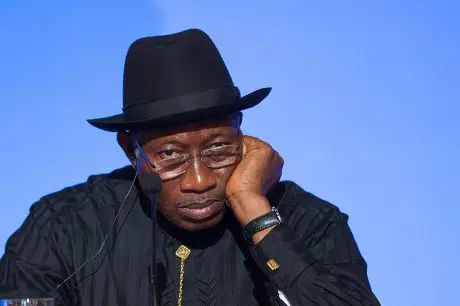
ABUJA, NIGERIA – A faction within the Peoples Democratic Party (PDP) has insisted that its planned ratification of former President Goodluck Jonathan as its presidential candidate will proceed as scheduled, despite reported opposition from the Federal Capital Territory Administration (FCTA).
The faction maintained that its convention in Abuja will go ahead as planned, stressing that internal party processes cannot be halted by administrative directives outside the party’s constitutional framework.
Tensions have continued to rise within the opposition party following reports that the FCTA had raised concerns over the planned political gathering, though full details of the alleged restrictions have not been officially clarified.
The Peoples Democratic Party, Peoples Democratic Party, has in recent months experienced internal divisions, with different blocs advancing competing agendas ahead of the 2027 general elections.
Leaders of the faction backing Jonathan’s ratification argued that the event remains a legitimate party activity and will be conducted in line with constitutional provisions and established political procedures.
They further insisted that preparations for the convention have reached an advanced stage, with delegates and stakeholders already mobilized for the exercise in Abuja.
The faction also dismissed concerns over potential disruptions, stating that adequate arrangements have been made to ensure a smooth and orderly conduct of the gathering.
Political observers note that the dispute reflects ongoing tensions between political groups and regulatory authorities over the use of public spaces for partisan activities in the Federal Capital Territory.
The controversy has added another layer of complexity to the already fragmented situation within the PDP, where leadership struggles and strategic disagreements continue to shape internal dynamics.
Analysts say the insistence on proceeding with the ratification underscores the determination of the faction to assert its influence within the party structure, despite opposition from other stakeholders.
Jonathan, who served as Nigeria’s president from 2010 to 2015, has remained a central figure in political discussions due to his national profile and continued relevance in opposition circles.
While he has not publicly confirmed participation in the reported ratification process, speculation around his political future continues to attract national attention.
Security and political analysts warn that heightened tensions around political gatherings in Abuja could increase the risk of confrontation if not carefully managed by relevant authorities.
Meanwhile, calls have been made for dialogue between the FCTA, party leaders, and security agencies to prevent any escalation that could disrupt public order.
As the scheduled convention approaches, attention remains focused on whether the event will proceed without interference and what its outcome could mean for the PDP’s internal cohesion ahead of the 2027 elections.
Army operatives nab terrorists, others in Taraba State
ZAMFARA / KATSINA – The Nigerian Army has confirmed that its troops rescued 31 kidnapped victims and neutralised five terrorists during coordinated military operations conducted across parts of Zamfara and Katsina States.
The operations, according to military sources, were carried out in response to ongoing security threats and intelligence reports indicating the movement of armed groups within affected communities in the North-West region.
The rescued victims were reportedly abducted during separate incidents before being located and freed by troops engaged in clearance and search-and-rescue missions across identified hideouts.
The Nigerian Army stated that the successful operations form part of intensified efforts to degrade terrorist and kidnapping networks operating in the region.
Military officials explained that troops engaged the armed groups in multiple encounters, leading to the neutralisation of five suspects believed to be involved in recent attacks and abductions.
The operations also resulted in the recovery of weapons and other items believed to have been used by the criminal elements during their activities.
Authorities confirmed that the rescued victims have been handed over to relevant agencies for medical evaluation, psychological support, and reunification with their families.
Security analysts note that the North-West region has remained one of the hotspots for kidnapping and armed banditry in Nigeria, prompting sustained military interventions in recent years.
The Nigerian Army emphasized that its troops remain committed to dismantling criminal networks and restoring peace to affected communities through continuous operations.
Residents in parts of Zamfara and Katsina have repeatedly called for stronger security presence following recurring attacks, abductions, and rural community invasions.
Military spokespersons assured the public that ongoing operations will be sustained to ensure that remaining criminal hideouts are identified and neutralised.
The army also urged residents to support security efforts by providing timely and credible intelligence that could assist in operational planning and execution.
Community leaders in affected areas have welcomed the rescue operation, describing it as a positive step toward restoring confidence among residents who have faced persistent insecurity.
Security experts, however, caution that long-term stability will require not only military action but also improved governance, economic development, and community engagement strategies.
The latest operation adds to a series of recent military efforts aimed at reducing the activities of armed groups across northern Nigeria, where insecurity has significantly impacted daily life and economic activities.
As operations continue, the Nigerian Army has reiterated its commitment to ensuring the safety of citizens and restoring normalcy across troubled regions in the country.
BARCELONA, SPAIN – Spanish giants FC Barcelona have officially announced the signing of English forward Anthony Gordon from Newcastle United in a transfer deal reportedly worth up to €80 million, marking one of the most high-profile moves of the current transfer window.
The club confirmed the transfer in an official unveiling, presenting Gordon as part of their long-term rebuilding strategy aimed at strengthening their attacking options ahead of the upcoming season.
According to details released by the club, the deal includes an initial transfer fee with performance-related add-ons that could raise the total package to approximately €80 million, depending on appearances, goals, and team achievements.
Barcelona stated that the 23-year-old winger has signed a long-term contract and is expected to integrate quickly into the squad as preparations continue for domestic and European competitions.
The announcement has generated significant attention across European football, with analysts highlighting the move as a statement signing by the Catalan club amid ongoing efforts to return to the top of continental football.
Gordon, known for his pace, direct attacking style, and versatility across the front line, arrives after a strong spell in the English Premier League where he developed into a key player for Newcastle United.
At Newcastle United, Newcastle United, Gordon played an important role in the club’s recent campaigns, contributing goals, assists, and consistent attacking pressure from the wings.
Football observers note that his departure represents a significant loss for Newcastle’s attacking depth, particularly given his importance in their tactical setup and high-intensity pressing system.
Barcelona officials described the signing as part of a broader project focused on injecting youth, energy, and long-term stability into the squad as they continue to compete in both La Liga and the UEFA Champions League.
The player was unveiled at the club’s facilities, where he expressed excitement about joining one of the most historically successful football institutions in the world.
Supporters of FC Barcelona have reacted with mixed opinions, with some praising the ambition of the transfer while others debate the financial implications of another major spending operation.
Football analysts suggest that the signing reflects Barcelona’s continued strategy of investing in dynamic attacking talent capable of adapting to multiple tactical systems under the club’s evolving football philosophy.
The transfer is also expected to intensify competition for attacking positions within the squad, as Gordon joins an already competitive group of forwards and wingers.
Newcastle United, meanwhile, are expected to reinvest part of the transfer fee into strengthening their squad depth ahead of the new season, as they aim to remain competitive in the Premier League.
As the new signing begins his journey in Spain, attention will now turn to how quickly Gordon adapts to La Liga football and whether he can justify the significant investment placed on his arrival.
The move is already being described by European football commentators as one of the standout transfers of the window, with expectations high for both immediate impact and long-term contribution at Barcelona.
Social media critic and influencer, Martins Otse, popularly known as VeryDarkMan (VDM), has given the Federal Government four days to secure the release of abducted schoolchildren and teachers in Oyo State.
VDM warned that if the victims are not rescued or released through negotiations within that period, he would take matters into his own hands and lead efforts to secure their freedom, regardless of the consequences.
He made the statement in a Facebook post on Friday while reacting to a video showing one of the abducted teachers pleading for government intervention.
The influencer said watching the video had become unbearable, describing the condition of the victims as painful and deeply disturbing.
“I can’t bear seeing this video anymore,” he wrote.
“The situation of these school teachers and students kidnapped in Oyo State two weeks ago is heartbreaking. My eyes are heavy, and my heart breaks, especially for the children who have been away from their parents and loved ones for two weeks.”
VDM expressed concern over the uncertainty surrounding the abductees’ condition, saying no one could say for certain whether all 46 victims were still alive, receiving food, or in good health.
“Nobody knows if all 46 of them are still alive. Nobody knows if they are being starved. Nobody knows their health condition,” he said.
He proposed opening a GoFundMe account to raise money for negotiations with the kidnappers if government efforts fail within the next four days.
“If in the next four days the Nigerian government is unable to rescue them or negotiate their release, then for the first time, I will open a GoFundMe account and look for a way to negotiate with the terrorists and pay them,” he stated.
“This is the only thing I can think of right now. I can’t bear to watch their videos anymore. In four days’ time, we will contribute whatever the terrorists are asking.”
VDM acknowledged that such a move could come with serious consequences but insisted he was prepared to face them if it meant reuniting the victims with their families.
“I am aware there might be implications for this action, but I am ready to pay the ultimate price to get those children back to their parents and those teachers back to their families,” he added.
The Federal Capital Territory Administration (FCTA), led by Minister Nyesom Wike, has warned owners of event centres, hotels and other public facilities in Abuja against allowing their premises to be used by what it described as illegal organisations or unrecognised political groups.
The administration said any facility found hosting such gatherings could face severe sanctions, including the revocation of its title documents.
The warning was contained in a statement issued on Friday by Lere Olayinka, Senior Special Assistant to the FCT Minister on Public Communications and Social Media.
According to the statement, the directive is part of broader efforts to improve security across the Federal Capital Territory and support ongoing operations by security agencies.
“In view of the need to further ensure the security of lives and properties in the FCT and sustain the efforts of security agencies in this regard, usage of event centres, hotels and other public buildings will now be closely monitored,” the statement said.
The administration explained that the move is aimed at preventing public facilities from being used by organisations whose activities could threaten peace and public order in Abuja.
Facility owners were urged to carefully verify the identity and legality of groups seeking to rent their premises and to understand the purpose of any gathering before granting approval.
The FCTA placed particular emphasis on the current political season, warning event centre and hotel operators to deal only with political party leadership recognised by the Independent National Electoral Commission (INEC).
“For instance, in this political season, owners of event centres and hotels in particular must ensure that they only deal with INEC-recognised leadership of political parties in respect of the use of their facilities, and proper records of transactions must be kept,” the statement added.
It warned that failure to comply with the directive could attract penalties, including the withdrawal of title documents for affected properties.
The administration also stressed that land allocated within the FCT is intended strictly for lawful activities and should not be used for gatherings deemed illegal or capable of disturbing public peace.
The leadership of the Movement for the Actualization of the Sovereign State of Biafra (MASSOB), has described the statement by 82 Division of Nigeria Army, Enugu declaring illegal the directive by MASSOB to churches in Biafra land to observe memorial services and prayers for the victims of three million Biafrans massacred during the 1967-70 genocide as irresponsible and provocative.
The push back by MASSOB is coming after military authorities in Nigeria in a terse statement urged residents of the Southeast to disregard the directive by the separatist movement.
The Nigeria army in a statement issued by Lieutenant Colonel Olabisi Olalakan Ayeni, Acting Deputy Director Army Public Relations 82 Division, described the directive by MASSOB as illegal.
It said the order is designed to sow division and cause panic in the region.
While noting that the memories of those who paid the ultimate price during Biafra-Nigeria civil war remain indelible in the national consciousness, Olalekan said it is important to stress that there are already established national occasions legally recognised by the Federal Government to honour the nation’s fallen heroes.
“The attention of Headquarters Operation UDO KA has been drawn to an illegal directive issued by the Movement for the Actualisation of the Sovereign State of Biafra (MASSOB), directing churches in the South-East and parts of the South-South to hold memorial services in honour of civil war victims.
“Headquarters Operation UDO KA empathises deeply with families who lost loved ones during the civil war and acknowledge the sacrifices made to keep Nigeria united.
“The memories of those who paid the ultimate price remain indelible in our national consciousness. However, it is important to emphasise that there are already established national occasions legally recognised by the Federal Government to honour our fallen heroes.
“These include the Armed Forces Remembrance Day, the Nigerian Army Day Celebration, and Nigeria’s Independence Day. These solemn occasions provide lawful platforms for reflection, unity, and remembrance.
“Operation UDO KA remembers with compassion the sacrifices of the fallen heroes which can never be forgotten. However, true honour, lies in unity, peace, and lawful remembrance, not in illegal directives by some irredentists aimed at sowing division and causing panic in the region.
“The directive by MASSOB is therefore illegal, provocative, and must be disregarded by all. Any gathering or activity outside the framework of lawful national commemorations is unacceptable and will not be tolerated.
“The Nigerian Army is aware that sympathisers of MASSOB, IPOB resolved to issue this illegal order to create chaos. Clerics, Innocent citizens and youths are therefore strongly advised to stay away from such plans, which are designed to destabilise the peace enjoyed in the entire Southeast.
“Operation UDO KA wishes to reassure the general public, including churches, that they should go about their services and businesses without fear of intimidation. Any individual or group that disrupts public peace or religion activities will face the full weight of the law.
“The Nigerian Armed Forces in collaboration with other security agencies remain committed to safeguarding lives, property, and ensuring peace across the South-East”, the statement reads.
But MASSOB in a rebuttal wondered when memorial prayers became an offence or irresponsible.
In a statement personally issued by it’s leader, Comrade Uchenna Madu which a copy was made available to Diaspora Digital Media, MASSOB urged churches in Biafra land to disregard the statements of Nigeria Army.
MASSOB urged Nigeria army to channel their antagonism to Islamic terrorist bandits ravaging northern and western Nigeria and leave Biafrans alone.
The group however, said: “When has National memorial prayers became an offence or irresponsible? Nigeria army should cover their faces in shame because they have not declared the terrorist activities of Islamic bandits as provocative or illegitimate.
“MASSOB advise churches in Biafra land to disregard the statements of Nigeria Army,
Don’t allow yourself to be defeated by devil. Let Nigeria army channel their antagonism to Islamic terrorist bandits ravaging northern and western Nigeria.
“Is it because MASSOB is a non violence movement?, is it because we have never carried arms against Nigeria state?. Is it because we choose to conform our activities to international standard of self determination activism?.
“The foundation of MASSOB is rooted on the principles of non violence. We have never killed or repay the Nigeria security agencies for the extra judicial killings of our non violence members because we believe in non violence self determination struggle.
“MASSOB warned Nigeria Army that your provocative tendencies against MASSOB will never push us to violence or arms struggle.
We know that you’re jittery and uncomfortable with the reality of Biafra actualization and restoration.
“Tomorrow is 59th anniversary celebration of Biafra declaration by Gen Chukwuemeka Odumegwu Ojukwu. Biafrans are enjoined to commemorate the exercise with sit at home observance.
“On Sunday, 31st May, all churches in Biafra land will observe special prayers for Biafra and victims of the genocide committed against our people.”
The Peoples Democratic Party (PDP) has accused the Minister of the Federal Capital Territory, Nyesom Wike, of attempting to frustrate its planned presidential ratification convention for former President Goodluck Jonathan.
In a statement released Friday by the party’s Interim National Working Committee, the PDP alleged that the management of A Class Event Centre in Wuse 2, Abuja, informed party officials about pressure allegedly mounted on them to deny access to the venue.
The opposition party said it had fully paid for the facility and met all requirements ahead of the convention scheduled for Saturday, May 30.
Signed by the party’s National Publicity Secretary, Ini Ememobong, the statement said security agencies had already been notified about the event.
According to the PDP, its legal team has been directed to remind the event centre management of the contractual agreement binding both parties.
Despite the reported pressure, the party insisted the convention would go ahead as planned.
“We are certain that Nigeria is a country governed by law, and any attempt to use force to suppress political dissent and opposition is an aberration which must be resisted by all people of good conscience,” the statement said.
The PDP argued that the FCT Minister has no constitutional authority to decide which political gatherings can hold in Abuja or determine the venues where such meetings take place.
The party described any move to stop the convention as undemocratic and warned against efforts to silence opposition voices.
It also urged party leaders, National Executive Committee members and stakeholders across the country to attend the gathering.
The accusation comes shortly after the Federal Capital Territory Administration introduced new rules directing hotels, event centres and other public facilities to deal only with leaderships of political parties recognised by the Independent National Electoral Commission.
The FCTA also warned that facilities used for gatherings involving what it termed “illegal organisations” could face sanctions, including revocation of land titles.
The directive was announced in a statement issued Friday by Lere Olayinka, Senior Special Assistant on Public Communications and Social Media to Wike.
According to the statement, the measure is part of efforts to strengthen security and prevent public spaces from being used for activities capable of disturbing peace in the nation’s capital.
“In view of the need to further ensure the security of lives and properties in the FCT and sustain the efforts of security agencies in this regard, usage of event centres, hotels and other public buildings will now be closely monitored,” the statement said.
The administration advised owners of hotels and event centres to verify the legality of groups seeking to use their facilities, particularly during the current political season.
It warned that operators who fail to comply with the directive risk severe penalties, including the loss of property titles.
The latest development comes against the backdrop of a widening struggle for control within the PDP.
DDM reports that Jonathan is being backed by one faction of the party, while another faction aligned with Wike continues to challenge its influence and direction.
British-Nigerian rapper Skepta has voiced deep concern over the growing insecurity and what he describes as rising injustice in Nigeria, calling on the international community to pay closer attention to the country’s challenges.
In a video that has since gone viral across social media platforms, the award-winning artist urged celebrities, activists, and global stakeholders to use their influence to amplify the struggles faced by Nigerians. According to him, the situation requires urgent global awareness and consistent advocacy.
Skepta explained that he has consistently used his platform to speak out against injustice and intends to continue doing so whenever the opportunity arises.
“There is so much injustice in Nigeria. And whenever I can, whether it is at my shows, verbally or through images, whatever I can do, we are going to speak up against injustice at all times,” he said.
The rapper stressed that while Nigerians are widely known for their resilience and ability to persevere in difficult conditions, they still need support from the global community to address ongoing issues affecting safety and stability in the country.
“Nigerians need help. We need people to speak up for us as well. We need to protect Nigerians. There is so much injustice in Nigeria,” he added.
Skepta further appealed directly to the international audience, urging them not to ignore the realities many Nigerians face daily, especially in relation to insecurity and systemic challenges.
His comments have sparked widespread conversation online, with many praising him for using his platform to highlight pressing issues affecting his home country.
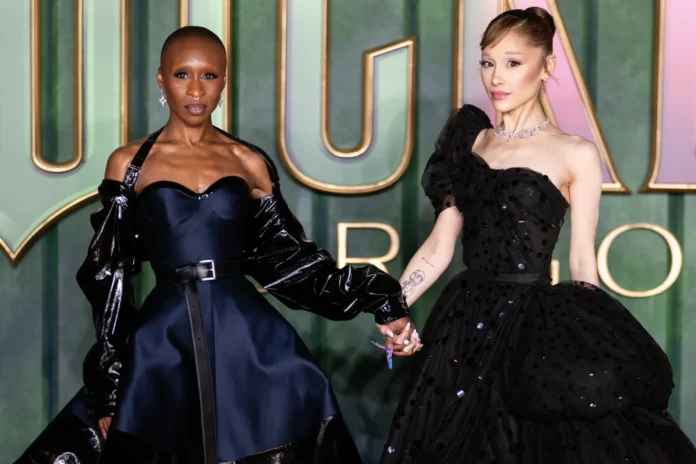
Nigerian-British actress Cynthia Erivo has spoken out against the online backlash and jokes that followed a viral red-carpet incident in which she stepped in to protect her Wicked co-star Ariana Grande from a fan who rushed toward the singer during a public appearance.
The incident took place at the Singapore premiere of Wicked: For Good, where an overzealous fan suddenly breached security and grabbed Ariana Grande on the red carpet. The moment sparked widespread attention online after videos circulated showing the tense encounter. The man involved was later reported to have been sentenced to nine days in prison.
In her response, Erivo explained that her reaction was purely instinctive, driven by fear and concern for her co-star’s safety. She described how the situation unfolded rapidly, with no immediate response from security or bystanders.
“Nobody moved. Nobody moved,” she said. “So I moved because my brain went, ‘Get him away! Get him out of here!’ My immediate reaction was, ‘Get him away from us.’”
Erivo emphasised that the man refused to let go of Ariana Grande, forcing her to intervene more forcefully in order to protect her colleague.
“What people couldn’t see is that he wouldn’t let go of Grande. He wouldn’t let go. So I just kept pushing at him to get him off,” she explained.
She further highlighted the importance of personal boundaries and safety, stating that public figures are still entitled to their personal space despite their fame.
“A stranger is a stranger. Personal space is still personal space. It doesn’t belong to anyone, even if you feel you know the person. In that moment, we were all terrified,” she said.
Following the viral spread of the footage, some social media users mocked Erivo’s actions, joking about her appearance and suggesting she acted like a “bodyguard” for Ariana Grande. The actress, however, criticised the reaction, noting that it dismissed a serious and frightening situation.
Erivo said the online commentary reflected deeper issues, particularly the way Black women are often stereotyped and misrepresented in public discourse. She described the backlash as “insidious,” pointing out how a moment of protection was reduced to humour rather than acknowledged as a response to danger.
The actress added that the experience was a reminder of how quickly narratives can be distorted online, especially when full context is missing from viral moments.
Real Madrid have once again reinforced their status as the most powerful football institution in the world after topping the latest Forbes valuation ranking of global football clubs. The Spanish giants continue to lead the industry both on and off the pitch, widening their financial dominance over Europe’s biggest rivals despite fluctuating sporting fortunes in recent seasons.
According to the latest Forbes report, widely referenced by international sports media and also reported by Punch Nigeria, Real Madrid’s current valuation stands at approximately 9.5 billion US dollars. This figure places the club firmly at the top of global football’s financial hierarchy and extends their reign as the world’s most valuable football club for the fifth consecutive year.
The report further highlights that Real Madrid have now occupied the number one position in the Forbes rankings on ten occasions over the last thirteen editions, underlining a sustained period of commercial strength and brand expansion that has remained largely unmatched in world football.
Financial Dominance Beyond Sporting Results
Real Madrid’s continued rise in value comes at a time when their on pitch performances have seen periods of inconsistency compared to their historic dominance in European competitions. However, financial analysts note that the club’s economic strength has remained largely unaffected by short term sporting fluctuations.
The club recorded estimated annual revenues of around 1.27 billion US dollars for the 2024 to 2025 season, making it the highest earning football club in the world. This achievement places Real Madrid ahead of all domestic and continental rivals, reinforcing their position as the benchmark for football business operations.
Experts attribute this financial dominance to a combination of global brand power, strong commercial partnerships, diversified income streams, and the ongoing transformation of the Santiago Bernabéu Stadium into a world class entertainment and commercial venue.
Barcelona and Premier League Clubs Trail Behind
The Forbes ranking shows that Barcelona remain Real Madrid’s closest competitors in terms of club valuation, although the Catalan side still trails by a significant margin estimated at around 2 billion US dollars. Despite ongoing financial restructuring efforts and gradual recovery from recent economic challenges, Barcelona have yet to close the gap with their historic rivals.
English Premier League clubs continue to dominate the upper tiers of the global rankings, reflecting the league’s immense commercial strength and worldwide broadcasting appeal. Manchester United, Manchester City, Liverpool, Arsenal, Chelsea, and Tottenham Hotspur all feature prominently among the world’s most valuable football clubs.
However, despite the financial rise of Premier League teams, none have been able to surpass Real Madrid’s combination of sporting heritage, global fan base, and commercial efficiency. This balance of tradition and modern business strategy continues to set the Spanish club apart.
Key Factors Behind Real Madrid’s Financial Success
One of the major drivers behind Real Madrid’s valuation is their global brand identity, which has been built over decades of consistent success in domestic and European competitions. Their record in the UEFA Champions League has played a central role in expanding their international fan base, increasing sponsorship appeal, and strengthening merchandise sales across multiple continents.
Another key factor is the club’s ability to attract and retain world class players, which enhances both sporting performance and commercial visibility. High profile signings and a history of elite talent have ensured sustained global attention, making Real Madrid one of the most marketable sports organisations in the world.
The modernised Santiago Bernabéu Stadium also plays a critical role in the club’s financial growth. The upgraded venue has transformed into a multi purpose facility capable of hosting concerts, corporate events, tourism activities, and premium matchday experiences. This diversification has significantly increased non matchday revenue and strengthened the club’s long term financial stability.
Additionally, Real Madrid benefit from strong commercial partnerships with global brands across sportswear, technology, finance, and telecommunications sectors. These sponsorship deals contribute significantly to annual revenue and reinforce the club’s international commercial footprint.
Global Football Market Continues Expansion
The latest Forbes valuation reflects a broader trend of rising club values across global football. Increased broadcasting rights, digital media expansion, international pre season tours, and commercial sponsorship growth have all contributed to the rising financial profile of elite football clubs.
The Premier League continues to lead in broadcast revenue, while La Liga clubs such as Real Madrid and Barcelona maintain strong global brand recognition. This combination of domestic league strength and international marketing has created a highly competitive financial ecosystem in world football.
Despite this overall growth, Real Madrid’s consistent position at the top of the rankings demonstrates their ability to adapt to changing market conditions while maintaining a strong identity and competitive advantage.
Strategic Outlook for European Football Giants
Industry analysts believe that Real Madrid’s financial model remains one of the most effective in global sports. Their approach combines sporting success with commercial innovation, infrastructure investment, and long term brand development.
As competition among elite European clubs intensifies, maintaining financial leadership will require continued evolution in areas such as digital engagement, global sponsorship expansion, and youth development systems that reduce long term transfer expenditure.
For now, Real Madrid remain the benchmark for financial success in football, setting standards that rival clubs continue to chase.
The latest Forbes ranking confirms Real Madrid’s position not only as a sporting powerhouse but also as a global commercial leader in football. Their ability to consistently top the valuation charts reflects decades of strategic growth, international appeal, and sustained excellence.
As the football industry continues to evolve, Real Madrid’s dominance highlights the growing importance of financial strength alongside sporting success in defining modern football greatness.
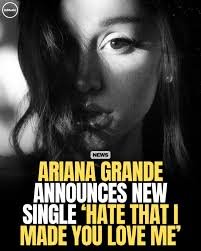
Ariana Grande has officially entered a new musical era with the release of her latest single, “Hate That I Made You Love Me,” which serves as the lead track from her upcoming eighth studio album titled Petal.
The new single, released on Friday, May 29, marks Grande’s first non-soundtrack release since her 2025 track “Twilight Zone,” and is positioned as the second song on the forthcoming 12-track project.
On the emotionally driven record, which was co-produced by Grande alongside hitmakers Max Martin and ILYA, the Grammy-winning artist reflects on heartbreak, healing, and emotional release. In one of the standout lyrics, she sings: “I know that I will find my way from you like flowers from a tomb,” capturing the tone of transformation that defines the project.
Grande first announced Petal in April via Instagram, describing the album as a more fearless and expressive body of work compared to her previous releases. She hinted that the project would explore deeper emotional territory, stating that it comes from a creative space she previously felt “too shy or polite” to fully embrace.
According to reports, Petal will feature 12 tracks and is scheduled for official release on July 31 under her BabyDoll Music imprint in partnership with Republic Records.
Ahead of the single’s release, Grande teased fans with a cinematic preview of the music video. The clip shows actor Justin Long glancing into a rearview mirror before Grande’s eyes suddenly appear behind him, building suspense for what is expected to be a visually striking release. The full video is set to premiere on June 1.
Petal follows Grande’s critically and commercially successful 2024 album Eternal Sunshine, which debuted at No. 1 on the Billboard 200 and produced hits such as “Yes, And?” and “We Can’t Be Friends.” The album later returned to the top spot following its deluxe edition, Brighter Days Ahead.
With Petal, Ariana Grande appears set to continue her chart dominance while exploring a more emotionally raw and experimental sound.
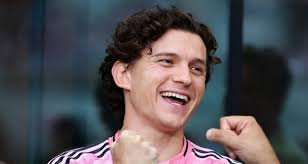
Actor Tom Holland has revealed that he is already considering life beyond the Spider-Man franchise, stating that he would feel fulfilled if he could play a role in introducing the next actor to take on the iconic superhero mantle.
The 29-year-old actor made the remarks while discussing the future of the Marvel Cinematic Universe ahead of his return in Spider-Man: Brand New Day, which is scheduled to hit cinemas on July 31.
Holland first appeared as Peter Parker in Captain America: Civil War in 2016, marking the beginning of what has become nearly a decade-long journey as one of Marvel’s most beloved superheroes. He later went on to headline a successful trilogy that includes Spider-Man: Homecoming, Spider-Man: Far From Home, and Spider-Man: No Way Home.
Speaking on the direction of the franchise, Holland expressed openness to helping usher in a new era of Spider-Man stories, suggesting that future adaptations could explore characters such as Miles Morales, Spider-Gwen, or Spider-Woman.
He added that he would be content if his journey mirrored the mentorship legacy of Robert Downey Jr., whose portrayal of Tony Stark played a guiding role in Holland’s early Marvel appearances, particularly in Spider-Man: Homecoming.
“If I could do what Downey did for me, then I would be so content swinging off into the sunset,” Holland said.
Holland is the third actor to portray Peter Parker in a live-action film series, following Tobey Maguire and Andrew Garfield. Both actors later reprised their roles alongside him in Spider-Man: No Way Home, a landmark crossover that became one of Marvel’s biggest box office successes.
The upcoming Spider-Man: Brand New Day is expected to continue Peter Parker’s storyline after the events of No Way Home, where his identity was erased from the memories of those closest to him.
Outside the Marvel universe, Holland is also set to feature in Christopher Nolan’s upcoming film The Odyssey, which is scheduled for release ahead of the next Spider-Man installment.
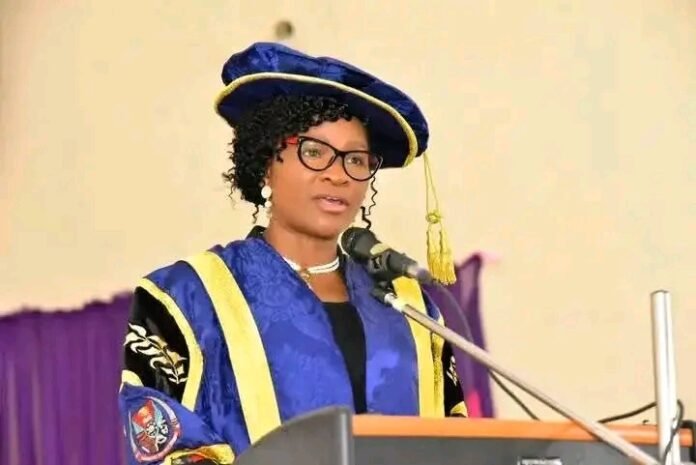
The Federal University of Technology, Akure (FUTA) has intenensified its commitment to tackling Nigeria’s rising food insecurity through expanded agricultural research, practical training systems, and large-scale production initiatives designed to bridge the gap between academic learning and real-world food production.
The Vice-Chancellor of the institution, Professor Adenike Oladiji, disclosed that the university is deliberately repositioning its agricultural development framework to make a measurable impact on national food systems. She explained that FUTA is no longer limiting itself to theoretical research but is increasingly investing in production-based agriculture that can directly support food supply, student training, and national development goals.
According to her, the university has significantly expanded its agricultural facilities, particularly in poultry production, greenhouse farming, feed milling, and crop value-chain development. These interventions, she noted, are part of a broader vision to transform FUTA into a leading hub for applied agricultural innovation in West Africa.
Professor Oladiji revealed that one of the most notable achievements of the university’s agricultural expansion is the revival and scaling of its poultry production project. The facility, which initially started with about 150 birds, has now grown to more than 1,000 birds, with plans already underway for further expansion. She explained that the poultry unit serves both academic and commercial purposes, allowing students to gain hands-on experience while also contributing to the institution’s internally generated revenue.
Beyond poultry production, FUTA has also strengthened its feed milling operations. The feed mill is designed to train students in animal feed formulation, livestock nutrition, and agricultural value addition processes. This initiative is aimed at reducing dependency on external feed suppliers while equipping students with entrepreneurial and technical skills that are essential in modern agribusiness.
The Vice-Chancellor emphasized that the university is increasingly focusing on value addition rather than simply producing raw agricultural outputs. In previous years, produce such as maize and other crops were largely sold in their raw form. However, FUTA has now shifted its approach by processing raw agricultural materials into more valuable products such as livestock feed. This strategic move, she said, not only enhances revenue generation but also strengthens the agricultural value chain within the institution.
In addition, the university has expanded its greenhouse farming initiative, which allows for controlled and year-round cultivation of crops. Through this system, FUTA is able to grow high-demand vegetables such as bell peppers regardless of seasonal limitations. The greenhouse system is also used as a research platform where students and lecturers test modern agricultural techniques including irrigation systems, climate control methods, and sustainable crop production strategies.
Professor Oladiji noted that the greenhouse project is particularly important in addressing climate-related challenges affecting agriculture in Nigeria. By enabling controlled farming environments, the university is demonstrating practical solutions to issues such as unpredictable rainfall, soil degradation, and declining crop yields.
She further explained that these agricultural innovations are closely linked to student training and capacity building. FUTA students are actively involved in all stages of production, from planting and animal care to processing and distribution. This hands-on approach, she said, is designed to produce graduates who are not only academically sound but also practically equipped to establish and manage agricultural enterprises.
The Vice-Chancellor also highlighted that many of the ongoing projects are supported through funding from the Tertiary Education Trust Fund, internally generated revenue, and strategic partnerships. According to her, these funding sources have enabled the university to upgrade its infrastructure, expand production capacity, and improve research output.
She added that FUTA is also investing in improved facilities for researchers, visiting academics, and accreditation teams. This includes the construction and renovation of accommodation facilities to support academic exchange and collaborative research efforts. The university believes that strengthening research infrastructure is essential for sustaining innovation and maintaining its status as a leading technology-focused institution.
Stakeholders within the institution have described the agricultural expansion as a timely intervention, especially in the face of Nigeria’s ongoing food security challenges. Rising population growth, climate change, inflation in food prices, and disruptions in supply chains have all contributed to increased pressure on food systems across the country. FUTA’s approach is therefore seen as a model that other tertiary institutions could replicate to support national food sufficiency.
Experts also believe that the integration of research, training, and production within the university system can play a critical role in reducing unemployment among graduates. By exposing students to practical agricultural entrepreneurship, FUTA is helping to create a new generation of agribusiness professionals who can contribute meaningfully to Nigeria’s economy.
Professor Oladiji reaffirmed that FUTA remains committed to expanding its agricultural footprint and strengthening its contribution to national development. She stated that the long term vision is to position the university as a major player in sustainable food production, agricultural innovation, and technological advancement in Africa.
She concluded that the institution will continue to explore new partnerships, research opportunities, and investment channels that will further enhance its capacity to deliver impactful agricultural solutions.
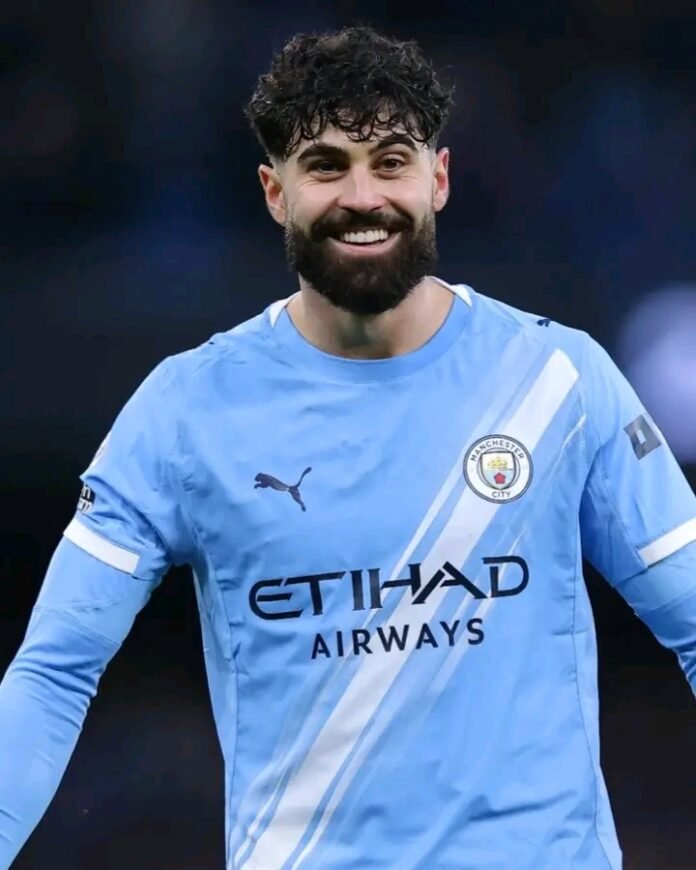
Barcelona have reportedly stepped up preparations for a highly ambitious summer transfer window that could see the Catalan club pursue Manchester City defender Joško Gvardiol while continuing long term discussions over a possible move for Atlético Madrid forward Julián Álvarez. The twin pursuit reflects a broader restructuring strategy aimed at strengthening key areas of the squad as the club looks to reassert its dominance in Spanish and European football.
According to reports, Barcelona’s sporting hierarchy is actively exploring multiple elite level reinforcements despite ongoing financial limitations that continue to influence the club’s transfer operations.
The plan is understood to be part of a long term rebuilding project under the current sporting leadership, with a focus on blending young elite talent with experienced performers capable of delivering immediate impact in high pressure competitions such as La Liga and the UEFA Champions League.
Barcelona’s interest in defensive reinforcement has placed Joško Gvardiol at the centre of their scouting priorities. The Croatian international, currently playing for Manchester City, is widely regarded as one of the most complete young defenders in world football due to his composure, tactical intelligence, and ability to operate both as a central defender and a left sided full back.
Club insiders believe Gvardiol’s technical profile aligns closely with Barcelona’s traditional philosophy of building play from the back. His comfort on the ball, combined with his physical strength and defensive awareness, makes him an attractive option for a team seeking to modernise its back line while maintaining control oriented football principles.
However, any potential transfer would be complex given Manchester City’s firm stance on retaining key players. The Premier League champions are not believed to be under pressure to sell and view Gvardiol as a long term pillar of their defensive structure. As a result, Barcelona would likely need to explore highly structured financial arrangements or player exchange possibilities in order to initiate serious negotiations.
In addition to defensive reinforcements, Barcelona are also continuing to monitor developments around Julián Álvarez, who currently represents Atlético Madrid. The Argentine forward has emerged as one of the most adaptable attackers in European football, capable of playing across multiple positions in the forward line while maintaining a consistent goal threat and high work rate.
Barcelona’s interest in Álvarez is driven by the need to refresh their attacking options and introduce greater tactical flexibility in the final third. The club is reportedly keen on building a younger, more dynamic frontline that can operate effectively both in domestic competitions and in elite European fixtures.
Álvarez’s versatility is seen as a major advantage, particularly in systems that require forwards to press aggressively, drop into midfield spaces, and contribute to build up play. His experience at the highest level of international and club football has also enhanced his reputation as a reliable performer in decisive matches.
Despite this interest, Atlético Madrid are expected to resist any immediate attempts to negotiate a transfer. The Spanish club considers Álvarez an integral part of its long term sporting project and would only consider a sale under exceptional financial or strategic circumstances. This places Barcelona in a competitive position where timing, valuation, and negotiation strategy will be crucial.
Barcelona’s transfer ambitions are being shaped significantly by financial fair play regulations and ongoing efforts to stabilise the club’s wage structure. Over the past few seasons, the club has prioritised financial recovery while attempting to remain competitive at the highest level. This has resulted in a more cautious and targeted recruitment approach rather than large scale spending.
The current strategy focuses on identifying high impact players who can deliver immediate improvement without compromising long term financial sustainability. Any major arrivals are expected to depend heavily on outgoing transfers, salary adjustments, or innovative payment structures spread across multiple seasons.
Within this context, the pursuit of both Gvardiol and Álvarez represents a clear statement of intent from the Catalan side. It signals a desire not only to rebuild but also to return to the upper tier of European competition where squad depth, tactical versatility, and elite quality are essential.
Competition for both players is expected to be intense, with several top European clubs closely monitoring their situations. Manchester City and Atlético Madrid are both in strong negotiating positions, which may further increase the difficulty of any potential deal involving Barcelona.
Football analysts suggest that Barcelona’s success in the transfer market will depend heavily on their ability to balance sporting ambition with financial discipline. While the club remains an attractive destination due to its history and global stature, modern transfer negotiations increasingly require flexibility and strategic planning.
As the summer transfer window approaches, Barcelona’s dual interest in Gvardiol and Álvarez highlights a broader vision aimed at rebuilding a squad capable of sustained success. The focus is on creating a balanced team that combines defensive solidity with attacking creativity, while ensuring long term competitiveness across all competitions.
The coming months will be decisive in determining whether Barcelona can convert these reported ambitions into completed deals or whether financial constraints will force a reassessment of their targets. For now, the club’s activity signals a clear intention to remain active at the highest level of the European transfer market.
Austrian authorities have sentenced a 21-year-old man to 15 years in prison for planning a terrorist attack targeting a Taylor Swift concert in Vienna.
The suspect, identified in court documents only as Beran A in line with Austria’s privacy laws, was found guilty of multiple terrorism-related offenses tied to a foiled plot that was uncovered in August 2024 during Taylor Swift’s record-breaking Eras Tour.
The planned attack led to the cancellation of three sold-out shows at Vienna’s Ernst-Happel-Stadion, affecting nearly 200,000 fans and causing widespread shock across the global entertainment community.
Prosecutors revealed that the investigation was triggered by a crucial intelligence tip-off from the United States Central Intelligence Agency (CIA), which alerted Austrian authorities just days before the concerts were scheduled to begin. This early warning ultimately helped prevent what officials described as a potentially catastrophic mass casualty event.
According to court proceedings, the convict had become heavily radicalised online and had pledged allegiance to the Islamic State (IS) terrorist group. Authorities also stated that he had attempted to illegally acquire dangerous materials, including chemical substances, a machine gun, and a hand grenade, which were intended for use in the planned attack.
A second suspect, identified as 21-year-old Arda K, was also convicted in connection with the case. While prosecutors said he was part of the same extremist network, he was not directly involved in the concert attack plot. He was sentenced to 12 years in prison following a joint trial held in Wiener Neustadt, south of Vienna.
During proceedings, Beran A reportedly expressed remorse, while a court-appointed psychiatrist testified that there were no signs of mental illness, noting instead a rapid process of radicalisation.
The foiled attack had already drawn global attention, with Taylor Swift previously describing the incident as deeply distressing. Following the court ruling, the singer expressed gratitude to law enforcement and intelligence agencies for their swift intervention, saying she was thankful that “we were grieving concerts and not lives.”
Global music icon Madonna has generated widespread attention after being spotted wearing what appears to be the unreleased Chelsea Football Club home jersey for the 2026/27 season. The unexpected appearance has triggered excitement across both the football and fashion industries, with fans and analysts speculating about the authenticity and design direction of the upcoming kit.
The pop superstar, widely recognised for her decades-long influence in music, fashion, and global pop culture, was seen in the yet-to-be-released Chelsea shirt reportedly produced by sportswear giant Nike. The jersey features Chelsea’s traditional royal blue identity associated with Chelsea FC, although early observations suggest subtle changes in design elements compared to previous seasons.
The images, which rapidly circulated across social media platforms, have intensified speculation about an early leak of the club’s official kit. The development indicated that the appearance of the shirt on a global celebrity may not have been part of an authorised promotional campaign.
Madonna, who remains one of the most influential cultural figures in the world, has long been associated with trend setting fashion choices and bold public appearances. Her involvement in the unexpected reveal has therefore amplified global interest, extending beyond football supporters to include fashion designers, sports marketers, and brand analysts.
At the centre of the attention is the Chelsea 2026/27 kit, which has not yet been officially unveiled by the club or Nike. Early visual analysis suggests that the shirt retains Chelsea’s core identity while potentially incorporating updated styling details, modernised textures, and advanced performance fabric technology designed for elite level athletic use.
Football kits today are no longer viewed purely as sporting uniforms but as key components of global branding strategies. For clubs like Chelsea, kit releases form part of carefully planned commercial campaigns that drive merchandise sales, global fan engagement, and brand visibility across multiple markets. As a result, any premature exposure of a new design can significantly impact marketing timelines and commercial planning.
Chelsea Football Club, one of the most commercially powerful clubs in the English Premier League, maintains a long standing partnership with Nike. The collaboration has produced numerous globally successful kits that combine performance innovation with modern design aesthetics. The partnership plays a major role in shaping the club’s international brand identity and retail performance.
The emergence of Madonna wearing the unreleased shirt has raised questions about how the kit was accessed prior to its official launch. In many cases, such leaks occur through early production samples, retail distribution errors, or controlled promotional activities. However, there has been no confirmation from either Chelsea or Nike regarding the circumstances behind the appearance of the jersey in public.
Industry observers note that celebrity involvement in sportswear visibility is not unusual. High profile figures are often used in official campaigns to boost global attention around product launches. However, in this case, there is currently no indication that Madonna’s appearance in the kit was part of an approved marketing strategy, leaving room for speculation about whether this was accidental or intentional exposure.
The incident has also reignited broader discussions about the increasing frequency of kit leaks in modern football. With social media accelerating the spread of images and information, clubs across Europe have struggled to maintain confidentiality around new season designs. These leaks often generate both positive anticipation and commercial disruption, depending on timing and context.
For Chelsea supporters, reactions have been mixed. Some fans have expressed excitement at the early glimpse of the new design, while others have raised concerns about the lack of control over confidential merchandise information. The club has yet to issue any official statement addressing the situation or confirming the authenticity of the leaked jersey.
Beyond football, Madonna’s appearance in the kit highlights the growing intersection between sport, entertainment, and global fashion culture. Football shirts have increasingly become lifestyle products worn by celebrities, influencers, and fashion icons, extending their influence far beyond stadiums and matchdays. This trend has significantly boosted the commercial value of club merchandise across international markets.
The Chelsea kit leak also underscores the importance of branding precision in modern sports marketing. Kit launches are typically accompanied by coordinated campaigns involving athletes, media partnerships, and digital promotions designed to maximise global reach. Any unplanned exposure can alter consumer expectations and shift the narrative surrounding a product release.
As anticipation builds toward the official unveiling of the 2026/27 Chelsea kit, attention remains focused on whether the club or Nike will address the leak or incorporate it into their broader marketing strategy. In some cases, unexpected exposure has previously been turned into promotional advantage by clubs seeking to capitalise on viral attention.
Madonna’s global influence continues to shape conversations across entertainment and fashion industries, and her association with the Chelsea shirt has further amplified public interest in the upcoming football season. Whether intentional or accidental, the appearance has successfully placed Chelsea at the centre of global sports and style discussions ahead of the official kit launch.
The coming weeks are expected to provide clarity on the situation as Chelsea and Nike move closer to their formal unveiling schedule. Until then, speculation will continue regarding the design, authenticity, and marketing implications of one of the most talked about kit leaks of the year.
Nigerian actress Iniobong Edo Ekim, popularly known as Ini Edo, has provided an update on preparations for the final farewell of her late colleague, Alexx Ekubo.
In a post shared on her Instagram page, the actress announced that a tribute link has been created for fans, colleagues, and well-wishers to share messages, memories, and condolences in honour of the late actor.
According to her, the initiative is aimed at giving loved ones and admirers of Alexx Ekubo an opportunity to celebrate his life and legacy, while also offering comfort to his grieving family during this difficult period.
Ini Edo explained that the messages shared through the platform would serve as a lasting reminder of how deeply the actor was loved and appreciated both within and outside the entertainment industry.
She urged the public to take part in the tribute process, emphasizing that every message carries emotional value for the family.
In her words:
“Beloved friends and fans of our dear Alexx Ekubo, we have created a link where you can leave a tribute for Alexx. Tap on the link in his bio and follow the instructions. We are grateful for all your love and prayers… This means so much to his family to know you genuinely loved him. God bless and keep us all.”
Real Madrid have reportedly completed an agreement to appoint experienced Portuguese tactician José Mourinho as the club’s new head coach on a three-year contract, marking a sensational return to the Santiago Bernabéu for one of football’s most influential managers.
The development, which has been widely circulated in European football media and reported by outlets, signals the beginning of a new chapter for the Spanish giants as they look to re-establish dominance in domestic and European competitions.
Mourinho, widely known as “The Special One,” is expected to take charge immediately following the completion of formal club procedures. His contract is understood to run for three years, reflecting Real Madrid’s long term confidence in his ability to rebuild the squad’s competitive edge and restore tactical discipline at the highest level.
The appointment marks Mourinho’s second spell in charge of Real Madrid, having previously managed the club between 2010 and 2013. During his first tenure, he guided the team to significant success, including a La Liga title, a Copa del Rey triumph, and a Spanish Super Cup victory. He also played a major role in ending Barcelona’s domestic dominance during one of the most competitive eras in Spanish football history.
At the centre of the decision is Real Madrid’s desire to bring back a proven winner capable of handling the pressure of elite European football. Club executives are believed to have prioritised experience, leadership, and tactical authority as key requirements for the next phase of the club’s sporting project.
The return of José Mourinho is being viewed as a bold strategic move aimed at stabilising performances and strengthening the club’s mentality in high intensity matches. Mourinho’s reputation for building disciplined, structured, and mentally resilient teams has long been a defining feature of his managerial career.
He is expected to work closely with the current squad, which includes a blend of established international stars and emerging young talents. Internal reports suggest that Mourinho will conduct an immediate evaluation of the team’s tactical structure, physical readiness, and squad balance before identifying potential transfer priorities ahead of the next window.
The decision also reflects Real Madrid’s willingness to rely on experienced leadership during a period of transition. Over recent seasons, the club has undergone tactical evolution while integrating younger players into the first team setup. However, inconsistency in key matches is believed to have accelerated the search for a manager capable of delivering immediate results.
Mourinho’s return is also significant due to his long standing association with elite European football clubs. Beyond Real Madrid, he has managed several top sides including Chelsea, Manchester United, Inter Milan, Tottenham Hotspur, and Roma, winning domestic and continental trophies across multiple leagues. His experience in high pressure environments is seen as a major advantage for a club with constant expectations of success.
During his previous stint at the Bernabéu, Mourinho built a team known for its intensity, counter attacking efficiency, and defensive organisation. That period saw intense rivalry with Pep Guardiola’s Barcelona, producing some of the most memorable El Clásico encounters in modern football history.
However, his earlier departure from Real Madrid came amid internal disagreements and reported tensions within the club structure. Despite this, both parties now appear willing to begin a new chapter focused on shared ambition and competitive success.
Football analysts have described the appointment as one of the most high profile managerial moves in recent years. While supporters are divided in opinion, there is widespread recognition of Mourinho’s ability to transform team mentality and deliver results in high stakes competitions.
Some fans view the decision as a return to proven leadership at a time when Real Madrid seeks renewed stability. Others argue that the modern game may require a more progressive tactical approach. Nevertheless, the club’s hierarchy appears confident that Mourinho’s experience outweighs any concerns.
From a sporting perspective, his arrival is expected to influence transfer strategy significantly. Real Madrid are likely to consider reinforcing key positions such as defence and midfield, ensuring the squad aligns with Mourinho’s tactical preferences. His system traditionally emphasises organisation, compact structure, and efficient transition play.
The appointment also highlights Real Madrid’s continued ambition to remain at the top of European football. As one of the most successful clubs in history, expectations remain consistently high, with both domestic and UEFA Champions League success viewed as essential benchmarks.
Attention will now turn to Mourinho’s official unveiling and his first interactions with the squad ahead of pre-season preparations. His return is expected to attract global media coverage and renew interest in Real Madrid’s upcoming campaign.
As preparations begin, the football world will be closely watching how Mourinho adapts to the current generation of players and evolving tactical trends. His ability to merge experience with modern demands will likely determine the success of his second spell at the club.
The announcement sets the stage for one of the most closely followed managerial eras in recent Real Madrid history, with supporters and analysts anticipating a highly competitive and transformative period at the Santiago Bernabéu.
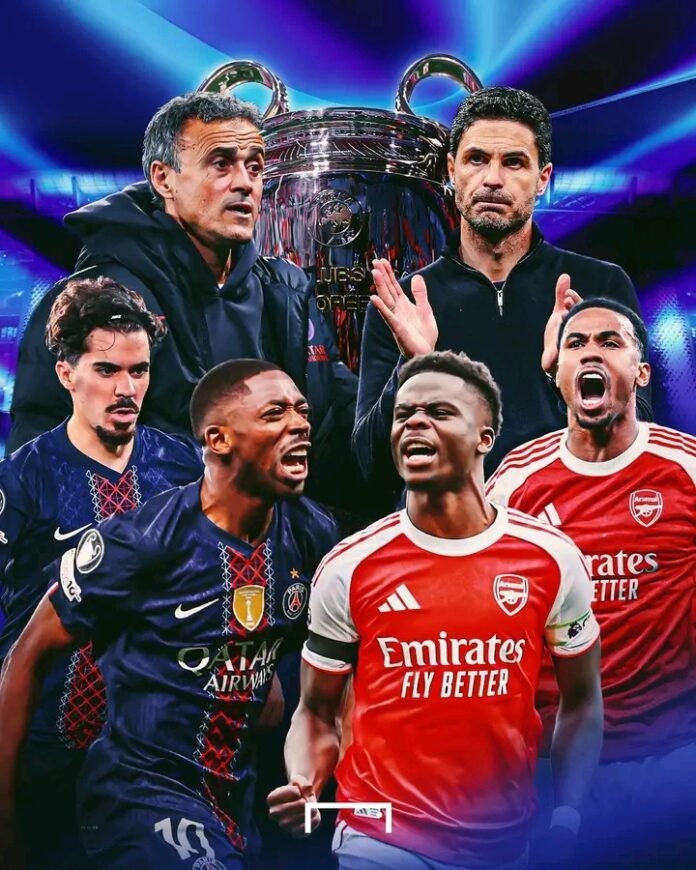
Football fans across Europe are preparing for one of the most highly anticipated UEFA Champions League finals in recent years as Arsenal and Paris Saint-Germain (PSG) gear up for a decisive encounter in Budapest. The final brings together two elite clubs with contrasting philosophies, tactical identities, and long standing ambitions of European dominance.
The clash is being widely framed as a battle between structure and spontaneity, with Arsenal’s disciplined tactical system under Mikel Arteta facing off against PSG’s fluid attacking approach powered by individual brilliance and rapid transitions. Both teams have navigated a demanding Champions League campaign to reach the final, overcoming top tier opposition along the way.
Arsenal’s progress has been shaped significantly by the managerial influence of Mikel Arteta, who has transformed the London club into one of Europe’s most tactically organised and resilient sides. Arteta’s system is built on positional discipline, structured pressing, and controlled possession, allowing Arsenal to dictate games through spatial awareness and coordinated team movement.
Under his leadership, Arsenal have developed a playing style that prioritises control in midfield, defensive compactness, and quick vertical transitions when opportunities arise. This evolution has made them one of the most consistent teams in the competition, capable of adapting to different tactical challenges across Europe.
On the other side, Paris Saint-Germain arrive in the final with a more flexible and attack driven approach. The French champions have leaned heavily on creativity, speed, and technical excellence in the final third, with one of their standout performers being Khvicha Kvaratskhelia. His ability to destabilise defences through dribbling, movement, and unpredictability has been a defining feature of PSG’s Champions League campaign.
PSG’s tactical identity is rooted in quick transitions, wide attacking overloads, and individual brilliance in one on one situations. Their attacking system is designed to exploit defensive gaps rapidly, often turning possession recovery into immediate goal scoring opportunities. This makes them particularly dangerous against structured teams that commit numbers forward.
The final, set to take place in Budapest, Hungary, adds further significance to the occasion. It represents not only a contest for European glory but also a defining moment in the evolution of both clubs’ modern football identity. For Arsenal, it is an opportunity to secure a long awaited Champions League title and complete a remarkable project of rebuilding and tactical refinement. For PSG, it is a chance to finally achieve European success after years of near misses and significant investment.
Tactical analysis ahead of the match highlights several key areas that could determine the outcome. Midfield control is expected to be one of the most important battlegrounds, with Arsenal likely to focus on maintaining positional superiority and limiting PSG’s ability to launch fast counter attacks. PSG, meanwhile, will aim to disrupt Arsenal’s rhythm through pressing intensity and quick transitions into attacking zones.
Defensive organisation will also play a crucial role. Arsenal’s back line has been praised throughout the tournament for its consistency, communication, and ability to maintain structure under pressure. PSG’s defence, while historically questioned in high pressure matches, has shown improvement in recent stages of the competition, particularly in handling aggressive opposition attacks.
The wide areas of the pitch are expected to be another decisive factor. Arsenal’s structured build up play often relies on controlled progression through the flanks, while PSG use wide attackers to isolate defenders and create direct goal scoring opportunities. These contrasting approaches are likely to produce key individual duels that could shape the flow of the match.
Set pieces may also prove influential, as both teams have demonstrated effectiveness in dead ball situations during the tournament. In closely contested finals, such moments often become decisive, adding further pressure to defensive concentration and organisation.
Beyond tactics, the psychological dimension of the final is expected to be significant. Arsenal enter the match with the ambition of ending a long wait for European success, while PSG carry the expectation of finally securing the most coveted prize in club football. The pressure on players and managers alike will be immense, particularly in key moments of the match.
The atmosphere in Budapest is expected to reflect the magnitude of the occasion, with supporters from both clubs creating a vibrant and intense backdrop for one of the biggest fixtures in world football. The stadium will host a global audience, further amplifying the significance of every tactical decision and individual performance.
Analysts believe that in a match of such fine margins, small details could ultimately decide the outcome. These include game management, substitutions, and the ability to remain composed under sustained pressure. Both teams possess depth and quality on the bench, which could influence the final stages of the encounter.
For Arsenal, victory would represent the culmination of a long term project focused on youth development, tactical evolution, and sustained competitiveness at the highest level. It would also solidify Arteta’s reputation as one of the leading managers in modern football. For PSG, success would finally deliver the European title that has long eluded them and validate years of strategic investment in elite talent.
As anticipation builds ahead of kickoff, the football world prepares for a final that promises intensity, tactical depth, and moments of individual brilliance. The Champions League final in Budapest is set to deliver a defining chapter in the modern history of European football.
Sheree Zampino, the former wife of Hollywood actor Will Smith, has taken legal action against American commentator Bilaal Salaam, accusing him of spreading false and damaging claims about her personal life.
According to court documents obtained by TMZ, Zampino is seeking more than $1 million in damages, alleging that Salaam made defamatory statements about her during a recent media appearance.
The controversy reportedly began after a promotional clip released on May 4, 2026, on the internet show Unwine with Tasha K. In the video, which quickly circulated across social media, Salaam allegedly claimed that Zampino was involved in relationships with multiple individuals within the American entertainment industry.
Zampino’s legal team argues that the commentator repeated and intensified the allegations during the full interview, using what they described as offensive and damaging language about her character and lifestyle.
She maintains that the claims are entirely false and have caused her significant emotional distress, humiliation, and reputational damage.
In the lawsuit, Zampino is suing for slander and intentional infliction of emotional distress, requesting $1 million in compensatory damages, as well as punitive damages and legal costs.
Bilaal Salaam, a former associate of Will Smith, is known for making controversial public claims involving members of the Smith family. He is currently also involved in a separate legal dispute with Jada Pinkett Smith over alleged threats.
The case adds to ongoing public scrutiny surrounding the Smith family and their associates, as legal battles continue to unfold in the entertainment space.
Nigeria’s Minister of Defence, Mohammed Badaru Abubakar, has rated the security performance of President Bola Ahmed Tinubu’s administration between 65 and 70 percent, insisting that the government has made significant gains against terrorism and insurgency across the country despite growing public concern over kidnappings and violent attacks.
The minister made the remarks during an interview on ARISE News while reviewing the administration’s achievements ahead of President Tinubu’s third anniversary in office. His assessment has since generated widespread reactions among Nigerians, especially as insecurity remains one of the country’s biggest challenges.
According to the Defence Minister, the security situation in Nigeria has improved considerably compared to previous years, particularly in areas once heavily controlled by terrorists and armed insurgent groups.
He explained that while criminal activities such as kidnapping still occur, the operational strength of terrorist organisations has weakened due to sustained military offensives, intelligence sharing, and coordinated operations among Nigeria’s security agencies.
Badaru noted that the country can never claim complete victory over insecurity overnight because even advanced nations continue to battle different forms of crime and violence. However, he maintained that the Tinubu administration deserves credit for reducing the intensity of attacks in many troubled regions.
“I will rate this administration between 65 and 70 percent in terms of security performance,” the minister said during the interview.
The statement comes at a time when many Nigerians continue to express frustration over recurring kidnappings, attacks on farming communities, and increasing fears over school abductions in parts of the country.
Recent incidents in Borno and Oyo states have intensified national conversations about public safety and the effectiveness of the country’s security architecture.
In Borno State, armed men reportedly attacked communities in Askira Uba and Chibok Local Government Areas, abducting several students during separate operations. The attacks revived painful memories of previous mass kidnappings in the North East and sparked fresh concerns over the safety of schoolchildren in vulnerable communities.
A similar incident was reported in Oyo State, where gunmen allegedly stormed schools in Oriire Local Government Area and abducted pupils and teachers. Residents described the attacks as terrifying and called for urgent government intervention to prevent future occurrences.
Security experts say the resurgence of kidnapping incidents shows that although terrorist activities may have reduced in some regions, criminal gangs and bandit networks still pose serious threats to national stability.
Over the past year, the Federal Government has repeatedly announced new security measures aimed at combating insurgency, banditry, and organised crime. Military authorities have also intensified operations in several states affected by violent attacks.
The Defence Minister stated that Nigerian troops continue to record successes in dismantling terrorist hideouts, intercepting arms supplies, and neutralising criminal elements operating in forests and border communities.
He also credited improved collaboration between the military, intelligence agencies, and local communities for helping security forces track criminal movements more effectively.
Government officials have consistently argued that security challenges in Nigeria are deeply connected to broader socio economic issues such as unemployment, poverty, illegal mining, and weak border control.
The Tinubu administration has therefore continued to emphasise economic reforms, youth empowerment programmes, and infrastructure development as part of its long term strategy to address insecurity.
Despite these assurances, opposition politicians and civil society organisations have continued to criticise the government’s handling of security matters, arguing that many Nigerians still feel unsafe in their communities.
Several advocacy groups have urged the Federal Government to invest more heavily in intelligence gathering, community policing, and modern surveillance technology to improve national security operations.
Analysts also believe that stronger collaboration between federal and state authorities will be necessary to tackle the evolving nature of insecurity across the country.
Meanwhile, public reactions to the Defence Minister’s self assessment remain divided.
Supporters of the administration argue that the military has indeed recorded progress against insurgents and armed groups, particularly in parts of the North East where terrorists once operated freely.
Critics, however, insist that ordinary Nigerians are more concerned about their daily safety than official performance ratings. Many believe the true measure of success should be based on whether citizens can travel, farm, attend school, and conduct business without fear.
The security debate is expected to remain a major issue in Nigeria’s political and public discourse as the Tinubu administration enters another year in office.
With insecurity continuing to affect several regions, many Nigerians will be watching closely to see whether the government can deliver stronger results in the coming months.
International football has become increasingly shaped by multicultural identities, dual citizenship, and global migration, leading to a growing number of players changing their international allegiance in pursuit of better opportunities, stronger emotional connections, or regular playing time on the global stage.
Over the years, several football stars born in one country but eligible to represent another through family heritage or residency have made the difficult decision to switch national teams. While some moves sparked controversy among supporters, others transformed players into national heroes in their adopted countries.
FIFA regulations allow players to switch international allegiance under specific conditions, particularly if they have not played competitive senior matches for their first country. The rule has opened the door for many footballers to reconsider their international future and embrace their roots.
One of the most successful examples in recent years is Nigerian forward Ademola Lookman. Born in England, Lookman represented the English youth teams and was part of the squad that won the FIFA U20 World Cup in 2017. However, after failing to secure a regular place in England’s senior team, he switched allegiance to Nigeria in 2022.
The decision proved to be career defining. Lookman quickly became one of the Super Eagles’ most influential attackers and later emerged as one of Africa’s standout footballers following his impressive performances for Atalanta in Italy.
Another major nationality switch involved Declan Rice. Before becoming one of England’s most important midfielders, Rice had already represented the Republic of Ireland at youth and senior friendly level. His decision to switch to England in 2019 generated mixed reactions among Irish supporters, but the midfielder has since established himself as a key player for the Three Lions.
Former Crystal Palace winger Wilfried Zaha also made headlines after changing allegiance from England to Ivory Coast. Despite playing for England in friendly matches, Zaha later opted to represent the Elephants, the country of his birth, where he became a central figure in their national team setup.
One of football’s most controversial nationality switches came from Diego Costa. The striker initially represented Brazil before deciding to switch allegiance to Spain ahead of the 2014 FIFA World Cup. His decision triggered criticism in Brazil, with many fans accusing him of abandoning his homeland for sporting reasons.
Nigeria’s Super Eagles have benefited enormously from foreign born talents over the years. Several players developed in England later chose to represent Nigeria at senior international level.
Among them are Victor Moses, Alex Iwobi, Ola Aina, Joe Aribo, and Calvin Bassey, all of whom represented England at youth level before switching allegiance to Nigeria.
Other players who embraced the Super Eagles include Leon Balogun, who switched from Germany, Maduka Okoye from the Netherlands, and Cyriel Dessers from Belgium.
The trend is not limited to Africa alone. In the United States, striker Folarin Balogun switched allegiance from England to the United States after concluding that opportunities with the English senior team were limited. The move significantly strengthened the American squad ahead of preparations for the 2026 FIFA World Cup.
Defender Aaron Wan-Bissaka also switched from England to DR Congo after years of speculation regarding his international future.
In Australia, midfielder Cristian Volpato recently decided to represent the Socceroos after initially playing for Italy at youth level. The talented midfielder’s decision was celebrated by Australian football supporters ahead of the next World Cup cycle.
Another player making headlines is Carney Chukwuemeka, who reportedly switched allegiance from England to Austria after struggling to break into England’s senior setup.
Football analysts believe the increasing number of nationality switches reflects the changing reality of modern football, where many players grow up with ties to multiple countries and cultures.
For some footballers, the decision is emotional and deeply connected to family heritage. For others, it represents a strategic career move aimed at gaining international exposure and competing in major tournaments such as the FIFA World Cup, UEFA European Championship, or Africa Cup of Nations.
As global football continues to evolve, international allegiance switches are expected to remain a defining feature of the modern game, shaping national teams and altering the balance of power in world football.
Veteran Nigerian actor and filmmaker Bob-Manuel Udokwu has opened up on why he deliberately stays away from heated social media discussions, saying he prefers to observe online conversations from a distance rather than engage in what he describes as “noise.”
In a post shared on his Instagram page, the respected Nollywood figure explained that social media discourse in Nigeria has become increasingly exhausting, often dominated by trends and arguments that add little or no value to everyday life.
According to him, many of the topics that go viral online do not reflect the real struggles Nigerians face on a daily basis, yet they continue to attract massive attention, consuming both time and data.
Bob-Manuel also expressed concern over the rise in online trolling and constant criticism, noting that the environment has become toxic for meaningful engagement and constructive dialogue.
He added that the pressure and negativity surrounding online conversations were part of the reasons he chose to remain silent and observe rather than participate actively in discussions.
Despite his long-standing distance from online debates, the actor revealed that he may become more active going forward due to repeated requests from fans who want to see more of his presence on social media.
Quoting his statement, he wrote:
“Social media has become something else in Nigeria. Most times, things that have little or no relevance to the day-to-day struggles of the people go viral and consume valuable time and data from the same traumatised people!”
“It baffles me! Too much dragging and trolling everywhere! I really don’t regret my choice to stay quiet and read from the sidelines while the job is done… However, due to popular demand, I will be more active in posting and engaging my fans from now on.”
His remarks have since sparked reactions online, with many users agreeing with his perspective on the state of social media culture in Nigeria, while others welcomed his decision to become more interactive with fans.
Fresh data released from the 2025/2026 Premier League season has reignited the long running debate surrounding the impact of Video Assistant Referee decisions in English football, with statistics revealing which clubs gained the biggest advantages and which teams suffered the most controversial setbacks.
Since VAR was introduced into the Premier League in 2019, the technology has remained one of the most divisive subjects in football. While league officials continue to defend it as an important tool for improving refereeing accuracy, many managers, players, and supporters believe the system has created as much controversy as it was designed to eliminate.
The newly published figures have once again placed the spotlight firmly on officiating standards after several clubs experienced major swings in points due to overturned decisions, penalties, disallowed goals, and controversial reviews during the season.
According to the data, Manchester United emerged as one of the biggest beneficiaries of VAR interventions throughout the campaign. The club reportedly gained crucial points from decisions involving penalties, offside reviews, and overturned referee calls during several important matches.
Football analysts noted that some of those decisions arrived during key moments in the race for European qualification, helping Manchester United maintain momentum during difficult periods of the season.
Liverpool and Chelsea were also among clubs considered to have benefited positively from VAR decisions over the course of the campaign.
Several incidents involving handball reviews, offside checks, and penalty awards reportedly worked in favour of both teams during highly competitive fixtures.
However, not every club enjoyed favourable outcomes from the technology.
Wolverhampton Wanderers were identified as one of the biggest losers from VAR decisions this season. The Midlands club has repeatedly voiced frustration with refereeing standards over the past few years, with supporters and club officials openly questioning the consistency of VAR rulings.
Wolves were involved in multiple controversial incidents during the campaign, including disputed penalties and offside calls that many supporters believed cost the team valuable points.
Arsenal and Nottingham Forest were also listed among teams negatively affected by controversial VAR interventions.
For Arsenal, several tight offside rulings and overturned penalty decisions sparked heated discussions among fans and pundits during the title race. Many supporters argued that some decisions significantly influenced crucial matches in the latter stages of the season.
The release of the statistics has once again triggered widespread discussions across social media platforms, sports television programmes, and football communities regarding whether VAR is truly improving the game.
One of the biggest criticisms surrounding the system remains the inconsistency in decision making. Despite the use of advanced technology, many fans believe subjective interpretation by officials still plays too large a role in major calls.
Managers throughout the season frequently complained about the time taken for reviews, especially during emotionally intense matches where momentum and atmosphere can quickly change.
Lengthy delays caused by offside checks and penalty reviews have become a major frustration for supporters inside stadiums, many of whom are often left confused while waiting for final decisions.
Another controversial issue has been the use of semi automated offside technology introduced during parts of the campaign. While league officials insist the system improves accuracy and reduces human error, critics argue that goals are sometimes ruled out by margins too small for the human eye to detect naturally.
Fans and former players have repeatedly questioned whether football is losing part of its emotional spontaneity due to constant interruptions and microscopic reviews.
Several former Premier League stars also joined the debate this season, calling for clearer communication between referees and supporters. Some suggested that referees should publicly explain decisions through stadium microphones, similar to systems already used in rugby and other international competitions.
The Professional Game Match Officials Limited, the body responsible for refereeing in English football, defended the use of VAR and insisted that the majority of decisions during the season were accurate based on current football laws.
League authorities have also continued to promise improvements aimed at increasing transparency, speeding up decision making, and reducing confusion for supporters.
Despite the ongoing criticism, football experts believe VAR is now permanently part of elite football and is unlikely to be removed from the Premier League in the near future.
Instead, analysts expect further technological upgrades and adjustments to refereeing protocols as football authorities attempt to strike a balance between accuracy and preserving the natural flow of the game.
As clubs prepare for another fiercely competitive Premier League season, the influence of VAR will remain under intense scrutiny.
For many supporters, the latest statistics only reinforce the belief that while technology can reduce certain officiating mistakes, controversy and disagreement will always remain part of football’s identity.
Paris Saint-Germain star Ousmane Dembele has warned that the French champions remain highly motivated and hungry for continued European dominance as they prepare for another UEFA Champions League final showdown against Arsenal.
Despite finally winning the Champions League trophy for the first time in club history last season, Dembele insists the success has only increased the team’s ambition rather than reducing its motivation.
The French winger made the remarks during a media session ahead of Saturday’s highly anticipated final in Budapest, where Paris Saint-Germain will attempt to defend their European crown against an Arsenal side chasing its own historic breakthrough.
According to Dembele, the atmosphere within the PSG dressing room remains focused and determined, with players eager to continue building a lasting football dynasty under manager Luis Enrique.
“We are still hungry to win every trophy,” Dembele said while discussing the club’s mentality ahead of the final.
The statement reflects the remarkable transformation PSG have undergone over the past two seasons. For years, the club was heavily criticised for repeatedly failing to conquer Europe despite spending enormous amounts on global superstars including Lionel Messi, Neymar, and Kylian Mbappe.
However, under Luis Enrique, PSG have evolved into a more balanced and tactically disciplined side built around teamwork, intensity, and younger emerging talents rather than individual celebrity status.
Football analysts across Europe believe the club’s new structure has made PSG stronger and more dangerous in major competitions.
Dembele himself has become one of the biggest symbols of that transformation.
After struggling with injuries and inconsistency earlier in his career, especially during his years at Barcelona, the French international has rediscovered his best form in Paris.
The winger has enjoyed a sensational season, scoring crucial goals and delivering match winning performances throughout PSG’s Champions League campaign.
His speed, creativity, and improved finishing have made him one of Europe’s most feared attackers, with many football observers describing this as the finest period of his professional career.
Reports suggest Dembele has scored more than 30 goals across all competitions this season while also contributing numerous assists in domestic and European matches.
His outstanding performances have even pushed him into discussions for major individual honours, including possible Ballon d’Or recognition later this year.
Despite the growing praise surrounding his personal achievements, Dembele insisted the team’s collective success remains the main priority.
PSG now stand on the verge of achieving something few clubs in modern football have accomplished by winning back to back UEFA Champions League titles.
Victory against Arsenal would further cement the French club’s place among Europe’s elite football institutions and confirm that last season’s triumph was not simply a one time achievement.
The Paris club’s journey to the final has once again showcased their attacking power and tactical maturity.
Young talents such as Desire Doue, Joao Neves, and Khvicha Kvaratskhelia have emerged as key figures in the squad, while experienced captain Marquinhos continues to provide leadership at the back.
Meanwhile, Arsenal enter the final with confidence after an outstanding domestic campaign under manager Mikel Arteta.
The English side secured the Premier League title and established themselves as one of Europe’s strongest defensive teams during the season.
Players such as Bukayo Saka, Martin Odegaard, and William Saliba have been central to Arsenal’s impressive rise.
Saliba recently described PSG as a “scary” team but insisted Arsenal are fully prepared for the challenge ahead.
Football experts expect the final to deliver a fascinating tactical battle between Arsenal’s disciplined defensive organisation and PSG’s explosive attacking style led by Dembele and Kvaratskhelia.
For Arsenal, the match represents an opportunity to win the UEFA Champions League for the first time in the club’s history.
For PSG, however, the final carries a different significance.
Another European triumph would confirm that the club has successfully transitioned from a project driven by superstar marketing into a complete football powerhouse capable of sustaining long term dominance at the highest level.
As excitement continues to build across Europe ahead of the final, Dembele’s message remains clear. Paris Saint-Germain may already have reached the summit of European football, but their desire for more glory is far from over.