


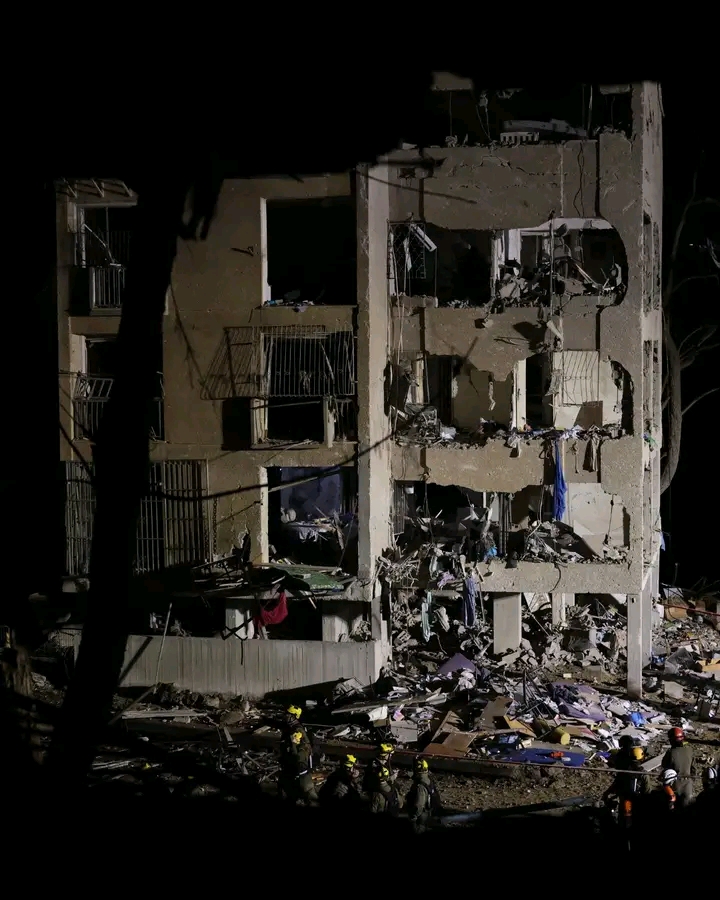
(DDM) — Two Iranian ballistic missiles penetrated Israel’s air defense system on Saturday, striking the Negev desert near the towns of Dimona and Arad, leaving dozens injured and prompting a nationwide security alert.
The strikes occurred close to Israel’s Dimona nuclear research center, a critical facility in the country’s nuclear program. According to the International Atomic Energy Agency, there are no reports of damage to nuclear infrastructure, and all operations remain intact.
Israeli military officials confirmed that interception measures were deployed, but the missiles still managed to reach their targets, raising serious concerns about the effectiveness of current air defense systems. Investigations are ongoing to determine how the Iranian projectiles breached the protective shields.
The incidents mark one of the most severe escalations in recent months between Tehran and Tel Aviv, amid a backdrop of heightened tensions following attacks on regional energy and military infrastructure.
Local emergency services responded swiftly to the missile impacts, providing medical attention to civilians and securing affected areas to prevent further casualties. Hospitals in Dimona and Arad reported treating multiple cases of injuries caused by shrapnel and debris from the strikes.

Israel’s Defense Forces (IDF) stated that its missile defense batteries engaged the threats as part of standard protocol, and authorities are analyzing flight paths and launch origins to prevent similar attacks in the future.
The attacks triggered a wave of panic among residents, many of whom fled to bomb shelters after sirens sounded throughout southern Israel. Security advisories were issued, emphasizing the continued risk of follow-up strikes and urging the public to remain vigilant.
Analysts say the strike underscores the ongoing volatility in the Middle East, with Iranian missile capabilities being increasingly used to project power and signal strategic deterrence against perceived threats.
This escalation has drawn attention from the international community, with calls for de-escalation and restraint amid fears that such confrontations could spiral into broader regional conflict.
Israeli authorities have pledged to hold Iran accountable for the attacks, while also reviewing air defense protocols to enhance the protection of critical infrastructure and civilian populations.
Civilian and military stakeholders continue to assess the aftermath, balancing urgent humanitarian needs with national security priorities in the wake of the missile strike.
The situation remains fluid, with security forces on high alert as investigations and emergency responses continue.

