

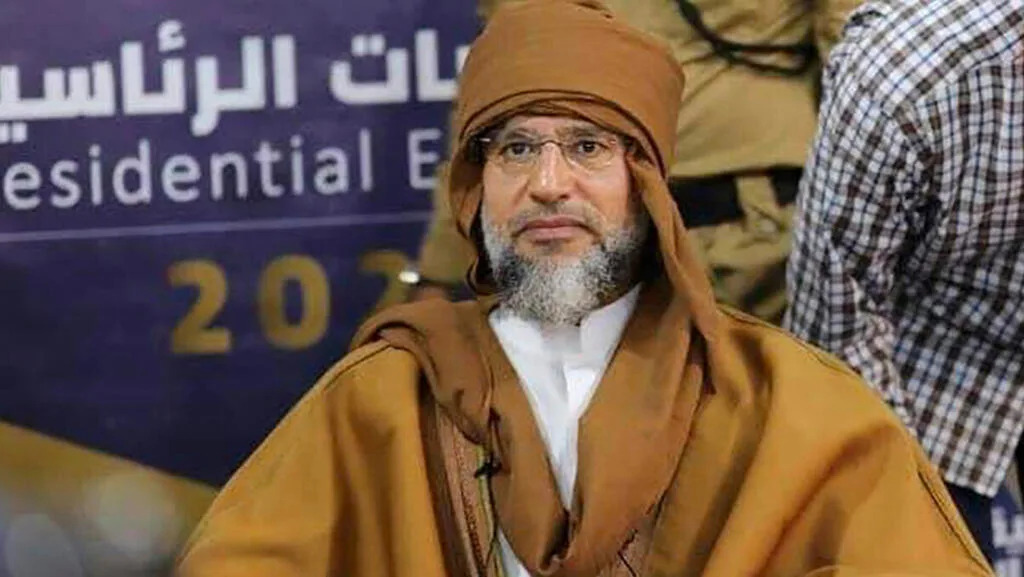



Saif al-Islam Gaddafi, the most prominent surviving son of late Libyan leader Muammar Gaddafi, has been killed in what is being described as a targeted assassination in western Libya. Multiple international media outlets reported that the 53-year-old was shot and killed in Zintan, a mountainous town in northwestern Libya where he had lived quietly for years following his release from detention. According to early reports, four unidentified gunmen stormed the area around his residence in the early hours of Tuesday, around 2:30 a.m. local time, after allegedly disabling surveillance cameras.He was reportedly attacked in his private residence or garden, sustained fatal gunshot wounds, and the assailants fled the scene immediately after the shooting. No group has claimed responsibility for the attack, and Libyan authorities have not yet released an official statement. However, sources say an investigation has been launched. Saif al-Islam’s political adviser, Abdullah Othman, announced the death in a social media post, while his lawyer, Khaled el-Zaydi, also confirmed the killing to international outlets. Once seen as Muammar Gaddafi’s likely successor, Saif al-Islam was widely known as the Western-educated face of the former Libyan regime, having studied abroad and previously presented himself as a reform-minded figure.However, he was also linked to the regime’s violent crackdown during the 2011 uprising that led to his father’s fall. After Muammar Gaddafi was captured and killed in October 2011, Saif al-Islam was arrested by militia forces and held in Zintan for several years.In 2015, he was sentenced to death in absentia by a court in Tripoli over war crimes charges, though the sentence was never carried out.He was later released under an amnesty in 2017.In 2021, he attempted a political comeback by registering as a presidential candidate ahead of Libya’s long-delayed elections.His candidacy sparked controversy and was blocked by electoral authorities due to outstanding legal issues, including international accusations.Analysts say his assassination could further deepen Libya’s instability, as the country remains divided between rival administrations, armed militias, and foreign-backed factions more than a decade after the collapse of the Gaddafi government. Reactions online have been mixed, with some expressing shock and mourning, while others speculated about possible political motives claims that remain unverified. Details regarding funeral arrangements and the recovery of his body have not yet been officially confirmed.