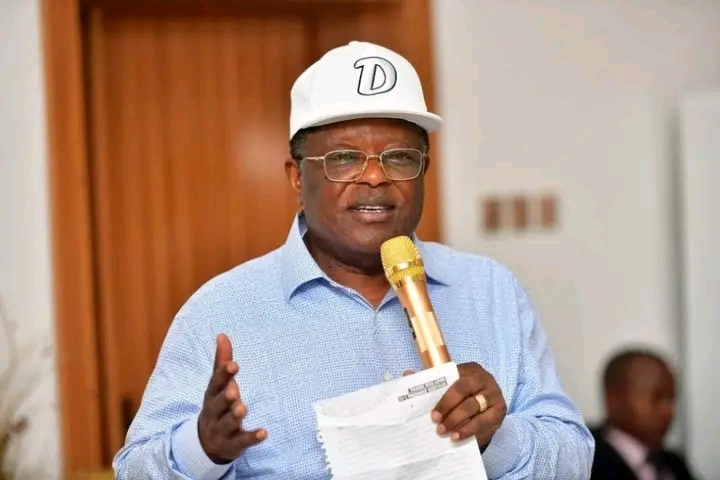
(DDM) — Nigeria’s Minister of Works, David Umahi, has challenged Tracy Ohiri to provide evidence supporting her allegation that he owes a debt of ₦280 million, promising a ₦1 billion reward if the claim is substantiated.
Umahi issued the challenge amid growing public attention surrounding the allegation, insisting that the claim is false and must be backed with verifiable proof.
He stated that the ₦1 billion reward would be provided by his associates if Ohiri is able to present credible documentation confirming the alleged debt.
The minister emphasized that such serious accusations should not be made without evidence, noting that they have the potential to damage reputations and mislead the public.

According to him, transparency and accountability must apply to all parties, including those making public allegations against government officials.
The controversy has sparked widespread reactions across social media, with Nigerians divided over the claims and the minister’s bold response.
Supporters of Umahi argue that the challenge demonstrates confidence and a willingness to clear his name, while critics say the matter should be addressed through proper legal channels rather than public exchanges.
Analysts note that disputes involving public officials often attract heightened scrutiny, especially in a political climate where issues of accountability and corruption remain sensitive.
Observers also point out that the situation underscores the importance of evidence-based claims in public discourse, particularly when financial allegations are involved.
As of the time of filing this report, Tracy Ohiri has yet to publicly respond with detailed evidence to support her claim.
The development adds to ongoing debates about transparency, public accountability, and the role of social media in amplifying allegations against prominent figures.
Legal experts say that if the matter escalates, it could potentially lead to court proceedings where both parties would be required to present evidence under oath.
For now, the spotlight remains on Ohiri to either substantiate her claim or respond to the minister’s challenge, as the controversy continues to generate public interest.