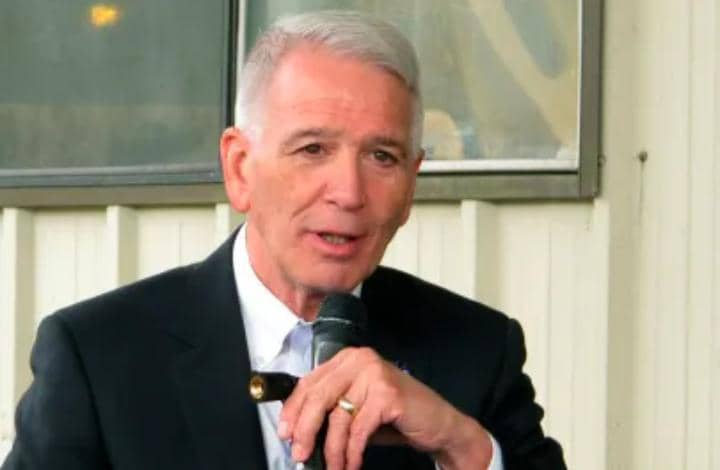
(DDM) – Dr. Ralph Abraham has resigned as principal deputy director of the US Centers for Disease Control and Prevention (CDC), the agency confirmed Monday.
Abraham, who was sworn in on December 15, cited “unforeseen family obligations” as the reason for his sudden departure, according to a CDC statement.
“It has been an honor to serve alongside the dedicated public health professionals at the CDC and to support the agency’s critical mission,” Abraham said in his announcement.
His resignation comes amid a wave of leadership changes at the CDC during the second Trump administration, reflecting ongoing instability at the agency in the months leading up to this year’s midterm elections.

Earlier, the CDC’s acting director, Jim O’Neill, left his post at the Department of Health and Human Services, prompting further organizational shifts. Dr. Jay Bhattacharya, director of the National Institutes of Health, assumed the role of acting CDC director this month.
Public health experts warn that leadership turnover at the CDC could affect the agency’s ability to respond effectively to ongoing health challenges. The agency plays a central role in disease surveillance, vaccination programs, and public health guidance, making continuity at the top critical.
Abraham had joined the CDC with experience in epidemiology and health policy and was seen as a stabilizing figure during the transition following the previous director’s departure. His exit now leaves the agency navigating yet another leadership gap.
Staff at the CDC praised Abraham’s tenure, noting his commitment to advancing the agency’s mission despite the turbulent political environment. However, the abrupt timing underscores the strain public health leaders often face balancing personal obligations with federal responsibilities.
The CDC did not immediately announce a permanent replacement for Abraham, signaling that interim leadership will continue to manage operations while the agency seeks a successor.
Observers note that frequent changes in senior CDC leadership may complicate ongoing initiatives, including vaccination campaigns and infectious disease preparedness programs, particularly as public trust in health institutions remains a key concern.
Dr. Abraham’s departure adds to a growing list of high-profile exits in federal health agencies, raising questions about continuity, morale, and the future direction of the CDC under current administrative pressures.