


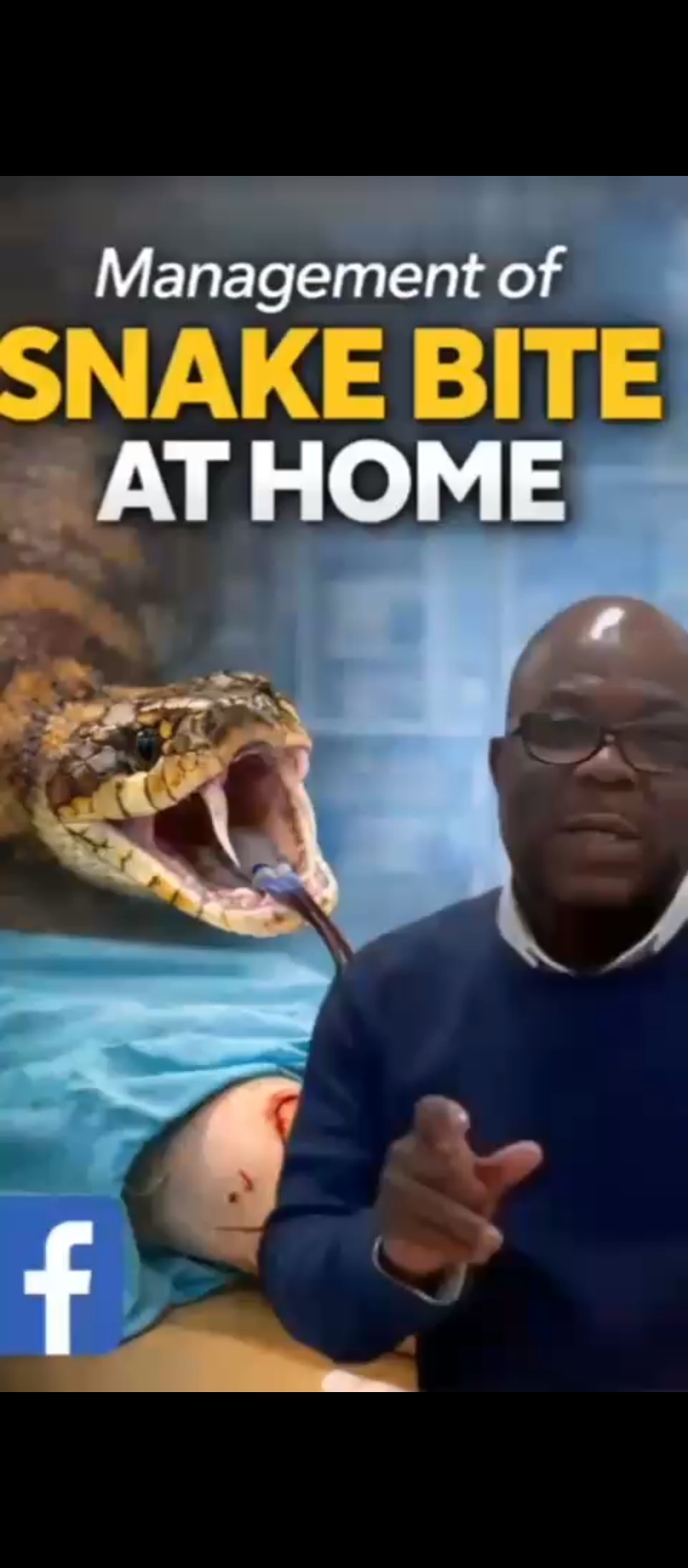
Public health advocate Chief Dr Odiraa has urged the public to remain calm and follow medically approved first-aid steps if bitten by a snake, warning that panic and harmful traditional practices can worsen outcomes and even cost lives.
Speaking during a safety awareness briefing, he stressed that fear is often the first and most dangerous reaction. “Do not panic,” he advised, explaining that panic raises the heart rate and allows venom to circulate more rapidly through the bloodstream, increasing the risk of severe complications.
He emphasized that the affected limb should be kept completely still to slow the spread of venom. According to him, immobilizing the limb similar to splinting a fractured bone prevents muscle movement that can pump toxins into the body. He also recommended keeping the bite site below heart level whenever possible, as this position may help delay venom from traveling to vital organs.
Chief Dr Odiraa cautioned strongly against widely believed first-aid myths. He warned that tying a tourniquet or binding the limb tightly can trap venom in one area, potentially causing tissue death or leading to amputation. Likewise, he dismissed the practice of cutting the wound or attempting to suck out venom, noting that such methods are ineffective and increase the risk of infection or further injury.
If it can be done safely, he advised victims or bystanders to observe the snake’s color and shape or take a quick photograph from a distance. This information can help medical professionals identify the species and administer the correct antivenom.
Above all, he stressed that professional medical treatment is essential. “The most important step after a snakebite is to get to a hospital immediately,” he said, underscoring that prompt care significantly improves survival and recovery chances.
Health experts continue to warn that quick, informed action rather than panic or reliance on myths remains the best defense against the potentially life threatening effects of snake envenomation.

