


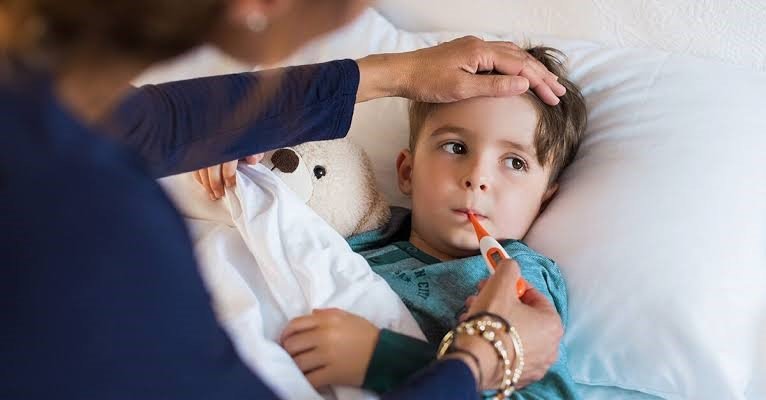
Child health experts are warning parents and caregivers that untreated fever in children can become dangerous, stressing that fever is often a symptom of an underlying illness that requires proper medical attention.
Medical professionals explain that fever is the body’s natural response to infection, indicating that the immune system is fighting off bacteria, viruses, or other harmful agents. However, they caution that persistent or very high fever in children should never be ignored, as it may signal a more serious health condition.
Doctors highlight that many parents often attempt to manage fever at home without seeking medical care, especially when the child still appears active. While mild fever can sometimes be managed with rest and fluids, experts stress that continued monitoring is essential to prevent complications.
Health experts warn that untreated or poorly managed fever can lead to dehydration, weakness, seizures (especially in younger children), and in severe cases, organ complications. They emphasize that infants and very young children are particularly vulnerable and require immediate medical attention when fever occurs.

Pediatricians advise parents to watch for warning signs such as persistent high temperature, difficulty breathing, refusal to eat or drink, unusual drowsiness, irritability, or continuous crying. These symptoms may indicate that the fever is linked to a serious infection requiring urgent treatment.
Medical professionals also caution against the misuse of medications without proper dosage guidance. They explain that incorrect use of fever-reducing drugs can mask symptoms and delay proper diagnosis, potentially worsening the child’s condition.
Health experts recommend that parents ensure children stay hydrated, wear light clothing, and rest adequately while monitoring their temperature regularly. However, they stress that home care should not replace professional medical evaluation when symptoms persist.
Doctors are also encouraging caregivers to seek prompt medical attention for infants under three months old who develop any fever, as even minor temperature changes in this age group can indicate serious infection.
In addition, public health authorities are calling for increased awareness about childhood fever management to help parents distinguish between mild cases and medical emergencies.
In conclusion, medical professionals stress that untreated fever in children can be a warning sign of underlying illness. They warn that early medical intervention is essential to prevent complications and ensure safe recovery.




