
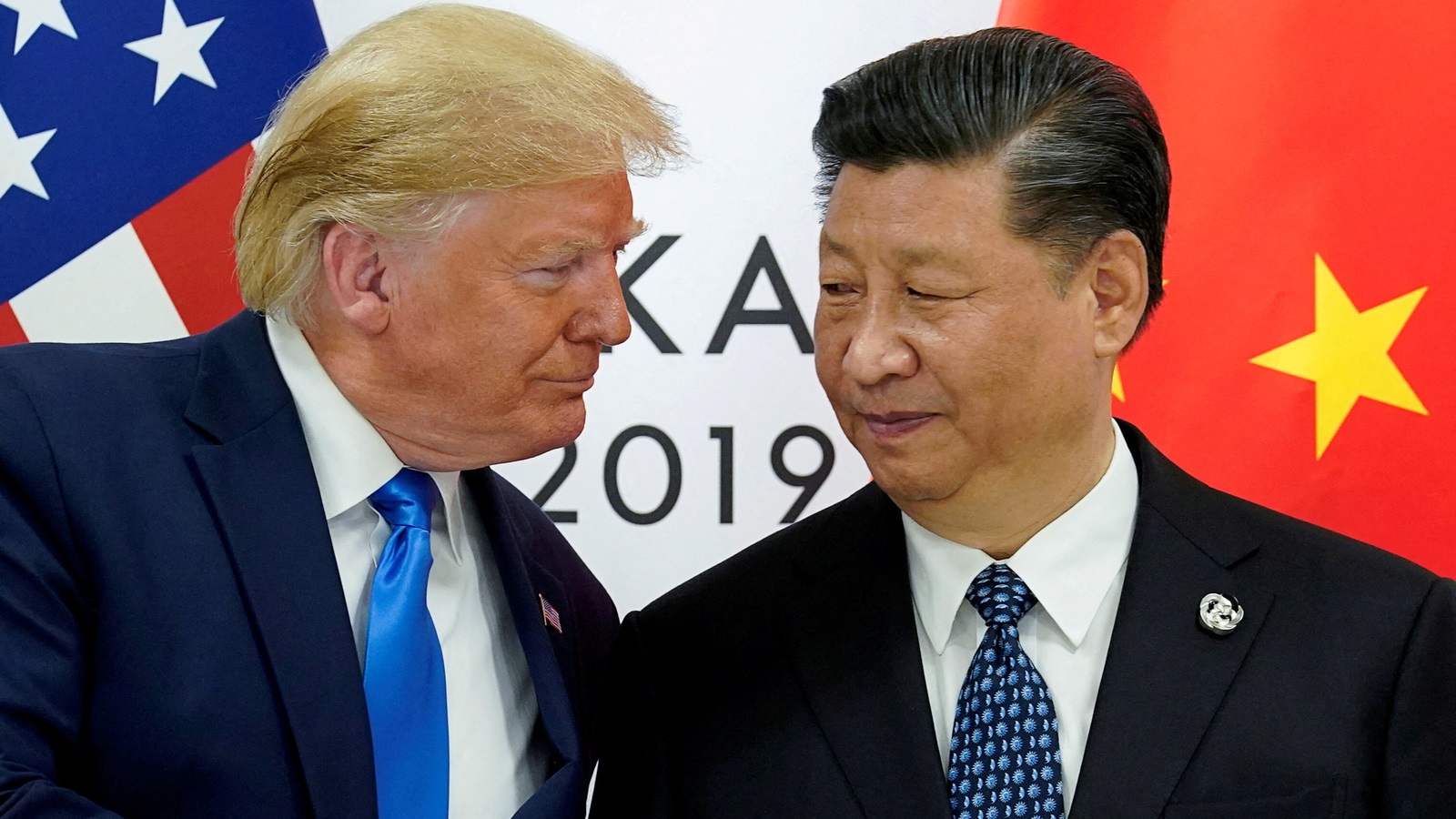
China has rejected allegations by the United States that it conducted secret nuclear explosive tests, describing the claims as false and accusing Washington of attempting to justify a possible resumption of its own nuclear testing programme.
The denial followed remarks made by the United States Under Secretary of State for Arms Control, Thomas DiNanno, at the United Nations Conference on Disarmament in Geneva last Friday.
DiNanno alleged that China had carried out covert nuclear tests, including one on June 22, 2020, and was preparing for additional tests involving high-yield explosives.
In a statement issued on Monday, China’s Ministry of Foreign Affairs dismissed the allegations, saying they were “completely groundless” and amounted to “outright lies.”

“The United States’ accusations are fabricated and baseless. China firmly opposes the US attempt to manufacture excuses for restarting its own nuclear tests,” the ministry said in comments reported by AFP.

China also called on Washington to halt what it described as irresponsible actions that could undermine global nuclear stability.
The dispute comes amid renewed debate over nuclear weapons testing following comments by US President Donald Trump in October, when he said the United States could resume nuclear tests “on an equal basis” with Russia and China.
Trump did not provide details on the scope or timing of any potential testing.
DiNanno’s remarks were delivered as part of a broader US proposal advocating trilateral arms control talks involving the United States, Russia and China.
The proposal follows the expiration of the New START treaty last week, which had been the final remaining nuclear arms reduction agreement between Washington and Moscow.
China has repeatedly rejected participation in such negotiations at this stage, maintaining that its nuclear arsenal is significantly smaller than those of the United States and Russia and that it should not be subject to the same limitations.
The exchange highlights rising tensions between Beijing and Washington over nuclear policy, arms control and strategic stability, as global frameworks governing nuclear weapons continue to weaken.