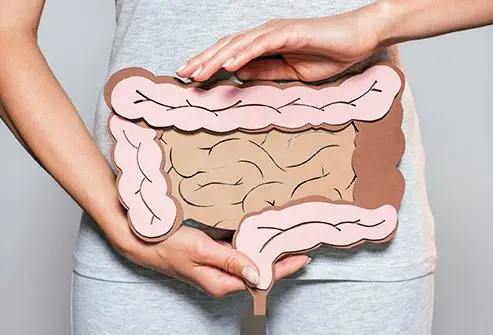
Colonoscopy and colon cleansing are often discussed together, but they serve very different purposes. While one is a medically approved procedure used to detect disease, the other is a widely debated practice with limited scientific support.
What is colon cleansing?
Colon cleansing refers to methods aimed at flushing out the large intestine, also known as the colon. This can be done using over-the-counter products, home remedies, or procedures such as colonic irrigation, where large amounts of fluid are introduced into the rectum.
Medically, cleansing the colon is only recommended before procedures like a colonoscopy, which allows doctors to examine the digestive tract for abnormalities, including signs of cancer.
Outside of medical use, some claim colon cleansing helps remove toxins from the body. However, scientific evidence supporting these claims remains limited.

Common methods used at home
Some people attempt natural approaches to support digestion and bowel regularity. These include:

- Drinking adequate water to stay hydrated
- Eating a high-fiber diet rich in fruits, vegetables, and whole grains
- Consuming probiotics from fermented foods like yogurt
- Drinking herbal teas or incorporating ginger into meals
- Taking fruit and vegetable juices
While these methods may support general digestive health, they are not medically proven detox solutions.
Perceived benefits vs. evidence
Colon cleansing is often promoted for benefits such as improved digestion, weight loss, or enhanced immunity. However, there is little clinical evidence to confirm these outcomes. Health professionals generally agree that the body already has effective systems—such as the liver, kidneys, and digestive tract—for removing waste and toxins.
Potential risks and side effects
Colon cleansing, especially through commercial products or colonic irrigation, can pose health risks. Reported side effects include:
- Abdominal pain and cramping
- Nausea and vomiting
- Dehydration and electrolyte imbalance
In more serious cases, complications such as infections, kidney problems, or damage to the colon have been reported. Improperly sterilised equipment during colonic procedures can also increase the risk of infection.
Certain herbal ingredients used in cleansing products have been linked to liver damage and other adverse effects.
Who should avoid it?
Colon cleansing may be particularly risky for individuals with existing health conditions, including gastrointestinal disorders, heart disease, kidney disease, or a history of colon surgery.
Precautions to consider
Anyone considering colon cleansing is advised to consult a healthcare professional, especially if they have underlying medical conditions or are taking medication. It is also important to understand the ingredients in any product being used and to maintain proper hydration.
A natural approach to colon health
Medical experts recommend focusing on long-term digestive health rather than cleansing routines. Key practices include:
- Drinking enough water daily
- Eating a balanced, fiber-rich diet
- Exercising regularly
- Limiting alcohol and avoiding smoking
- Including fermented foods to support gut bacteria
Regular medical screenings, such as colonoscopies for those at risk, also play a crucial role in maintaining colon health.
Conclusion
While colon cleansing continues to gain popularity, experts caution that it is not a substitute for medical care and may carry unnecessary risks. Maintaining a healthy lifestyle remains the most effective way to support digestive function and overall wellbeing.