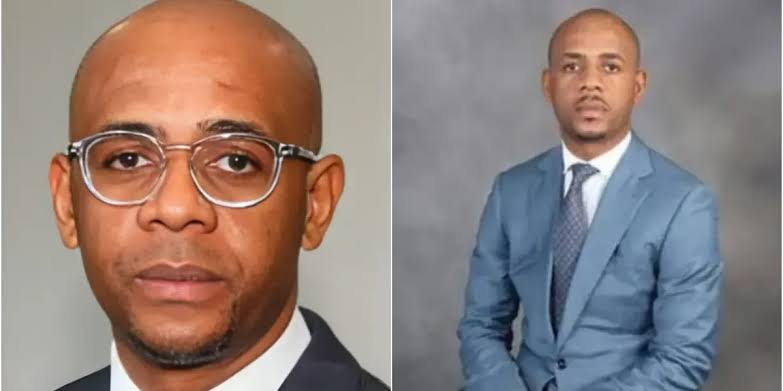
A high-profile corruption case has rocked Equatorial Guinea as a court sentenced senior government official Baltasar Ebang Engonga to eight years in prison for embezzlement.
The ruling comes months after Engonga, widely known by his nickname “Bello,” made international headlines when leaked sex tapes involving him and other officials’ wives went viral on social media.
The Bioko provincial tribunal found Engonga guilty of diverting hundreds of thousands of dollars in public funds. According to Hilario Mitogo, the Supreme Court press director, the funds had been claimed as professional travel expenses but were instead pocketed by Engonga for personal use.
Engonga, the married former head of the country’s national financial investigation agency, was charged alongside five other senior officials. Prosecutors accused the group of siphoning off significant amounts of money in a scheme that exposed the scale of graft within the oil-rich central African nation.
The disgraced official’s downfall has been closely followed by the public ever since explicit videos surfaced online in November 2024. The clips, some filmed inside his own office at the finance ministry, triggered outrage and ridicule in equal measure. Citizens mocked the scandal through parodies, satirical songs, and viral dance challenges. Social media users even invented a spoof drug called “Balthazariem,” a supposed reference to Engonga’s alleged sexual prowess in the leaked videos.

The scandal dealt a major blow to the government’s credibility, especially as Engonga once oversaw financial investigations meant to curb corruption in the country. His conviction is seen as a significant moment in Equatorial Guinea’s struggle with entrenched graft.
Mitogo confirmed that the provincial court not only handed down an eight-year jail term but also imposed a hefty fine of $220,000 on Engonga. The ruling signals a rare move by the judiciary against high-ranking officials, though questions remain about whether the punishment will deter similar abuses of office in the future.
Despite the conviction, public debate has continued to swirl, with many citizens skeptical about the government’s willingness to pursue broader reforms. Critics argue that corruption remains deeply entrenched among political elites in the country, where oil revenues have enriched a small circle of leaders while most citizens live in poverty.
Engonga’s sentencing closes one chapter of a scandal that combined corruption, betrayal, and moral controversy. Yet, for many Equatoguineans, it also serves as a grim reminder of the unchecked abuse of power that has long plagued the nation’s governance.