


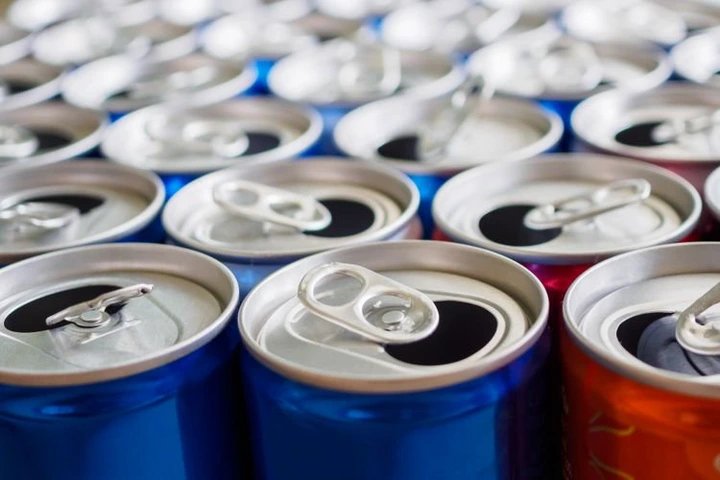
(DDM) – Regular consumption of energy drinks may provide a short-term boost, but health experts warn it can quietly harm the body over time.
Energy drinks are marketed to improve alertness and performance, yet most contain high levels of caffeine, sugar, and additional stimulants.
While occasional intake may be harmless for many adults, making energy drinks a daily habit raises growing health concerns.
One of the most common effects linked to daily energy drink consumption is sleep disruption.

Caffeine content in energy drinks varies widely, with some containing as little as 40 milligrams and others exceeding 200 milligrams per can.

Experts agree that caffeine can interfere with normal sleep patterns, even if its exact effect on circadian rhythm is still debated.
Recent studies show that young adults who consume energy drinks daily often take longer to fall asleep.
These individuals are also more likely to wake during the night and experience shorter overall sleep duration.
Research involving young women found higher reports of insomnia and daytime fatigue among those who consumed energy drinks weekly.
Poor sleep has wider consequences beyond tiredness.
Disrupted sleep has been linked to weakened immune function and increased risk of chronic illnesses.
Conditions such as obesity, heart disease, and diabetes have all been associated with long-term sleep deprivation.
Mental health may also suffer, particularly among men who consume energy drinks daily.
Studies suggest higher rates of negative mood, irritability, and psychological distress in frequent consumers.
Another major concern is the impact of energy drinks on heart rate and blood pressure.
Energy drinks can cause temporary increases in both systolic and diastolic blood pressure.
They can also lead to a noticeable rise in heart rate shortly after consumption.
These effects are largely attributed to high caffeine levels and other added stimulants.
Although the changes are usually temporary, repeated spikes may place strain on the cardiovascular system.
This can be especially risky for individuals with existing heart conditions or high blood pressure.
Many regular energy drink users also report uncomfortable physical symptoms.
Palpitations, or sensations of skipped or rapid heartbeats, have been reported by over one-fifth of adult consumers.
Shaking hands, jitters, and restlessness are also commonly reported side effects.
These symptoms occur because caffeine and stimulants activate the nervous system.
With frequent exposure, such sensations may become more intense or frequent.
Beyond physical effects, daily energy drink use has been linked to increased stress and anxiety.
Observational studies associate regular consumption with poorer quality of life and psychological strain.
While these studies do not prove direct causation, the patterns raise concern among health professionals.
Sugar content is another hidden risk in many energy drinks.
Some brands contain large amounts of added sugar, which can rapidly spike blood glucose levels.
This spike is often followed by a crash, leaving consumers feeling more exhausted than before.
Long-term intake of sugary drinks has been linked to type 2 diabetes and heart disease.
Energy drinks also contain herbal or natural stimulants such as guarana, taurine, and L-carnitine.
When combined with caffeine, these substances can intensify nervous system stimulation.
Side effects linked to these combinations include migraines, digestive discomfort, and increased anxiety.
Health experts advise consumers to closely monitor their daily caffeine intake.
For most adults, up to 400 milligrams of caffeine per day is considered the upper safe limit.
This total includes caffeine from coffee, tea, supplements, and energy drinks combined.
Experts also recommend paying attention to changes in sleep, mood, and heart rhythm.
Individuals with heart conditions, anxiety disorders, or chronic sleep problems are advised to avoid energy drinks.
Medical professionals stress that energy drinks are not essential for daily functioning.
Natural alternatives such as adequate sleep, hydration, balanced nutrition, and exercise are safer energy boosters.
DDM gathered that growing awareness of these risks has sparked renewed calls for moderation and clearer labeling.
As consumption rises, health authorities continue to urge caution against turning energy drinks into a daily routine.

