



At DDM NEWS, we believe that democracy is not sustained by slogans, half-measures, or technical gymnastics designed to look modern while preserving the rot of the past. Democracy is sustained by systems that are transparent, verifiable, tamper-proof, and trusted by citizens. That is why the ongoing debate around electronic transmission of election results in Nigeria must be confronted with honesty and clarity, not deliberate confusion.
Let us state this plainly: electronic transmission of election results is not the same thing as uploading photographs of result sheets. Treating the two as interchangeable is either a grave misunderstanding of technology or a calculated attempt to weaken electoral integrity while pretending to support reform. Nigerians are not asking for cosmetic digital compliance; they are demanding structural transformation.
What the political class, sections of the National Assembly, and even some electoral officials continue to sell as “electronic transmission” is, in truth, the barest minimum—taking pictures of manually collated results at polling units and uploading them to the INEC Result Viewing (IREV) portal. That alone does not eliminate manipulation. It only postpones it.
DDM NEWS Editorial maintains that true electronic transmission must involve both electronic entry and electronic collation of results, not just visual documentation after the fact. Anything short of this keeps Nigeria trapped in a dangerous grey zone where elections appear digital but remain fundamentally vulnerable to human interference.
Let us explain, clearly and without ambiguity, what Nigerians are demanding.

At the polling unit level, presiding officers should be required to input the results for each political party directly into the BVAS device. This process must not be optional, discretionary, or subject to vague “INEC guidelines.” Once entered, these results should be electronically transmitted in real time to a central online collation server. That server must automatically collate results across polling units, wards, local governments, states, and eventually at the national level.
This is how modern electoral systems work. This is how transparency is enforced by design, not by goodwill.
Only after this electronic transmission and collation should the photographs of the signed and stamped result sheets be uploaded to the IREV portal—not as the primary data source, but as audit evidence. These images should exist for verification, cross-checking, and post-election scrutiny by parties, observers, the media, and citizens.
Anything that reverses this logic—manual collation first, digital upload later—is fundamentally flawed.
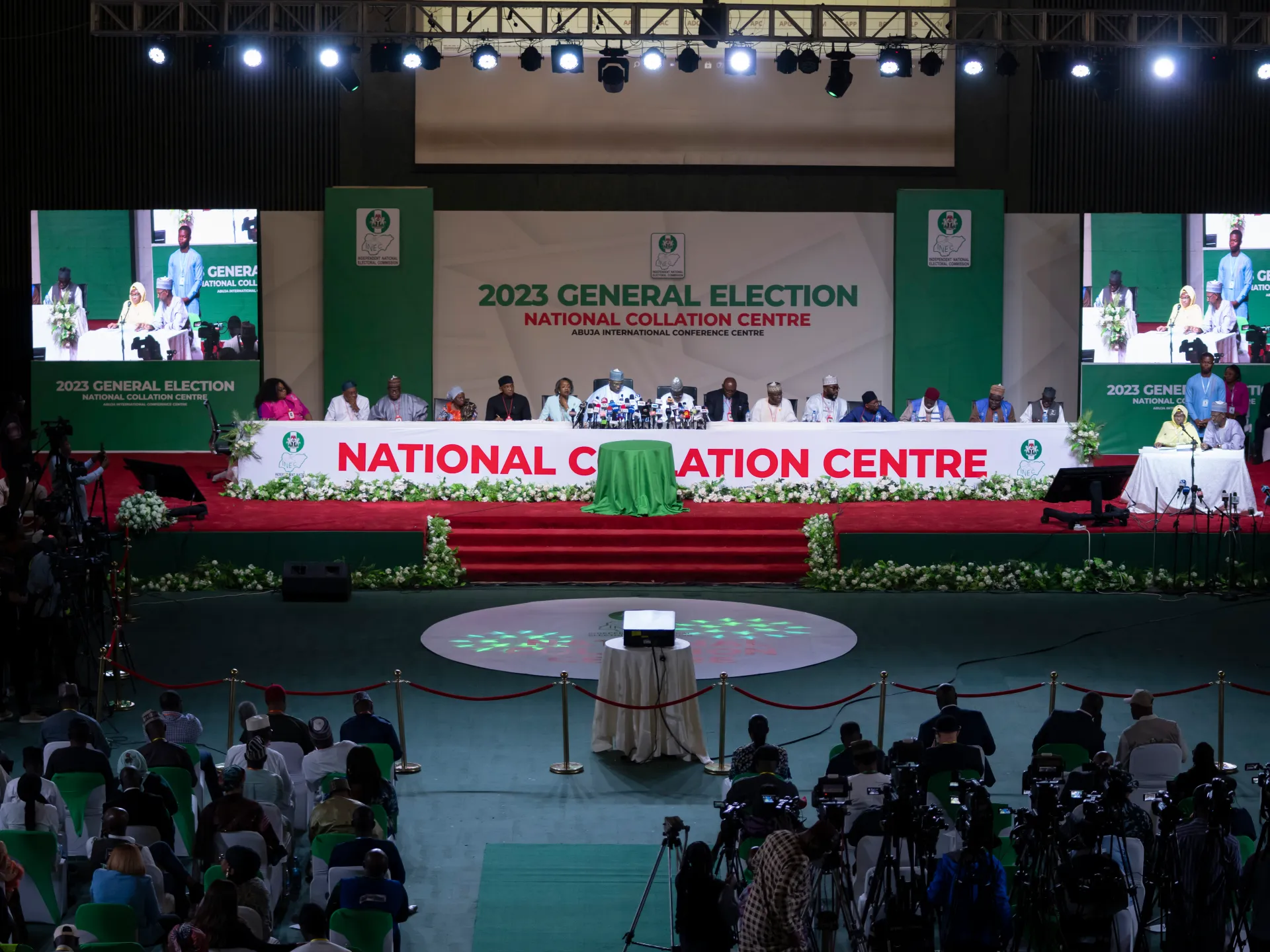
DDM NEWS strongly rejects the idea that Nigeria should continue to rely on manual collation centres staffed by compromised officials, sometimes infamously referred to as “corrupt professors,” sitting for hours or days tabulating figures with analog calculators. This system has repeatedly proven to be the weakest link in Nigeria’s electoral chain. It is at collation centres, not polling units, that elections are routinely subverted.
Let us be honest: ballot box snatching is no longer the primary threat to Nigerian elections. Result manipulation during collation is.
This is no longer 2011. This is 2026. Nigeria cannot continue to conduct elections with tools and processes that belong to a bygone era while pretending that uploading pictures makes the process modern. The world has moved on, and Nigerian voters have moved with it.
However, if members of the National Assembly insist—against logic, against public demand, and against global best practices—on retaining a manual collation framework, then the Electoral Act must, at the very least, enforce critical digital safeguards. DDM NEWS Editorial insists that three categories of data must be mandatorily transmitted to the IREV portal electronically if manual collation is to persist.
First, photographs of polling unit results must continue to be uploaded without exception. This is the minimum transparency requirement and must not be subject to network excuses, administrative discretion, or selective enforcement.
Second, and critically, the number of accredited voters as automatically captured by the BVAS device must be electronically transmitted and published. This data point is non-negotiable. It is the most powerful tool for detecting over-voting and result inflation. Without public access to BVAS accreditation figures, uploading result sheets becomes an exercise in deception rather than transparency.
Third—and this is where INEC and lawmakers have consistently failed Nigerians—photographs of results from all collation centres at every level must be uploaded to the IREV portal. Polling unit results alone are not sufficient. Manipulation rarely happens at the polling unit; it happens during aggregation. If ward, local government, state, and national collation results are not published for public scrutiny, then the entire system remains compromised.
This third requirement is perhaps the most important, yet it is routinely ignored. DDM NEWS Editorial finds it unacceptable that Nigerians are expected to trust figures announced at collation centres without having digital access to the documentary trail that produced them. Transparency cannot be selective.
The resistance to full electronic transmission is not technical. It is political.
As multiple democracy advocates have pointed out, the fear is not that the system will fail, but that it will work. Electronic transmission reduces discretion, limits human interference, creates instant public visibility, and establishes an immutable digital record. These are precisely the things that undermine electoral manipulation.
DDM NEWS believes that a democracy where leaders fear transparency is already in danger.
If Nigeria truly wants elections that reflect the will of the people, then electronic transmission must be mandatory, comprehensive, and enforceable by law, not left to administrative convenience. Anything less is a deliberate attempt to preserve the loopholes that have repeatedly robbed citizens of their votes.
This editorial position is not partisan. It is democratic. It is constitutional. And it reflects the growing consensus among voters, civil society, legal experts, and credible observers that you cannot modernise elections halfway.
Nigeria must choose: real reform or digital theatre.
At DDM NEWS, we choose real reform—and we urge lawmakers, electoral authorities, and all stakeholders to do the same.



 and then