


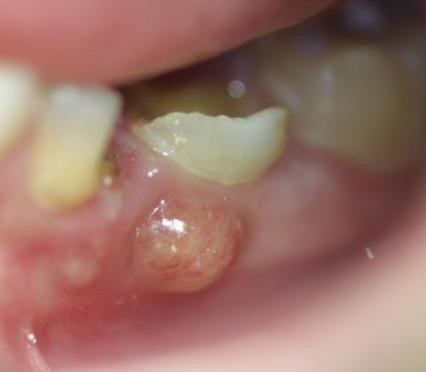
A dental abscess is a painful infection that develops when bacteria invade the inner tissues of a tooth or the surrounding gums. If left untreated, the infection can spread to nearby tissues and, in severe cases, to other parts of the body. Dental experts warn that a dental abscess is a medical emergency that requires prompt treatment to prevent serious complications.
Health professionals advise anyone with severe tooth pain, facial swelling, or signs of infection to seek dental care without delay.
What Is a Dental Abscess?
A dental abscess is a pocket of pus caused by a bacterial infection.
There are three main types:

- Periapical abscess: Develops at the tip of a tooth’s root.
- Periodontal abscess: Forms in the gums beside a tooth.
- Gingival abscess: Affects only the gum tissue.
Without treatment, the infection may destroy surrounding tissues and bone.
What Causes a Dental Abscess?
A dental abscess may result from:
- Untreated tooth decay.
- Cracked or broken teeth.
- Advanced gum disease.
- Poor oral hygiene.
- Previous dental injury.
- A weakened immune system.
These conditions allow bacteria to enter the tooth or gum tissues and multiply.
Symptoms
Common signs and symptoms include:
- Severe, throbbing toothache.
- Swelling of the gums, face, or jaw.
- Sensitivity to hot and cold foods or drinks.
- Pain when chewing or biting.
- Bad breath or an unpleasant taste in the mouth.
- Pus draining into the mouth.
- Swollen lymph nodes in the neck.
- Fever.
The pain may spread to the ear, jaw, or neck on the affected side.
Possible Complications
If left untreated, a dental abscess can lead to:
- Spread of infection to the jawbone.
- Tooth loss.
- Facial cellulitis.
- Infection spreading to the sinuses.
- Bloodstream infection (sepsis), which can be life-threatening.
Prompt treatment greatly reduces these risks.
How Is a Dental Abscess Diagnosed?
A dentist may diagnose a dental abscess through:
- A clinical examination.
- Tapping the affected tooth to check for tenderness.
- Dental X-rays to determine the extent of the infection.
- CT scans in severe or complicated cases.
These tests help guide the most appropriate treatment.
Treatment Options
Treatment focuses on eliminating the infection and preserving the tooth whenever possible.
Drainage of the Abscess
The dentist may make a small opening to drain the pus and relieve pressure.
Root Canal Treatment
If the tooth can be saved, a root canal removes the infected tissue from inside the tooth.
Tooth Extraction
If the tooth cannot be repaired, it may need to be removed to stop the infection from spreading.
Antibiotics
Antibiotics may be prescribed if the infection has spread or if the patient has a weakened immune system. They are usually used alongside dental treatment, not as a replacement.
Can a Dental Abscess Be Prevented?
You can lower your risk by:
- Brushing twice daily with fluoride toothpaste.
- Flossing every day.
- Reducing sugary foods and drinks.
- Attending regular dental check-ups.
- Treating cavities and gum disease promptly.
- Avoiding tobacco products.
Good oral hygiene is the best defence against dental infections.
When Should You Seek Emergency Care?
Seek immediate dental or medical attention if you experience:
- Severe tooth pain that does not improve.
- Swelling of the face or jaw.
- Fever with a toothache.
- Difficulty swallowing or breathing.
- Rapidly increasing swelling.
These symptoms may indicate that the infection is spreading and require urgent treatment.
The Bottom Line
A dental abscess is a serious infection that should never be ignored. Symptoms such as severe tooth pain, swelling, fever, and pus around a tooth require prompt dental evaluation. Early treatment can relieve pain, save the affected tooth, and prevent potentially life-threatening complications.
Disclaimer: This article is for informational purposes only and should not replace professional dental or medical advice. Anyone with symptoms of a dental abscess should seek immediate evaluation from a qualified dentist or healthcare provider.




