


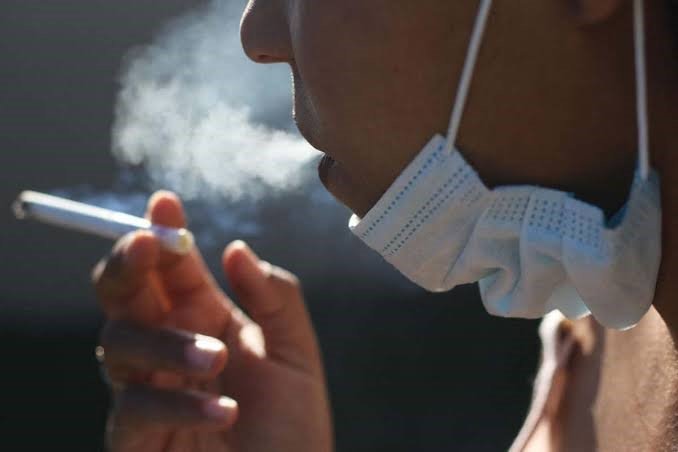
Smoking is widely known to harm the lungs and heart, but its effects on oral health are often overlooked. Tobacco use significantly increases the risk of gum disease, tooth loss, oral cancer, and delayed healing after dental procedures. Dentists warn that smoking weakens the mouth’s natural defence mechanisms, making it harder to fight infections and maintain healthy teeth and gums.
Health experts agree that quitting smoking is one of the most important steps a person can take to improve both oral and overall health.
How Does Smoking Affect the Mouth?
The harmful chemicals in tobacco reduce blood flow to the gums, weaken the immune system, and encourage the growth of harmful bacteria.
As a result, smokers are more likely to develop serious dental problems than non-smokers.

Oral Health Problems Caused by Smoking
Smoking can contribute to:
- Gum disease.
- Tooth loss.
- Persistent bad breath.
- Yellow or brown tooth staining.
- Increased plaque and tartar buildup.
- Delayed healing after tooth extraction or oral surgery.
- Reduced sense of taste and smell.
- Oral cancer.
The longer a person smokes, the greater the risk of these complications.
Early Warning Signs
Smokers should watch for symptoms such as:
- Bleeding gums.
- Swollen or tender gums.
- Loose teeth.
- Persistent bad breath.
- Mouth sores that do not heal.
- White or red patches inside the mouth.
- Pain while chewing.
Ignoring these symptoms may allow serious disease to progress unnoticed.
Smoking and Gum Disease
Smoking is one of the strongest risk factors for periodontal (gum) disease.
It reduces blood supply to the gums, making infections harder to detect because gums may bleed less despite severe disease.
Untreated gum disease can eventually destroy the bone supporting the teeth, leading to tooth loss.
Smoking and Oral Cancer
People who smoke have a much higher risk of developing oral cancer than non-smokers.
The risk increases further when smoking is combined with heavy alcohol consumption.
Regular dental examinations are important because dentists can often detect early signs of oral cancer before symptoms become severe.
Benefits of Quitting Smoking
Stopping smoking provides immediate and long-term oral health benefits, including:
- Healthier gums.
- Reduced risk of tooth loss.
- Better healing after dental treatment.
- Fresher breath.
- Improved taste and smell.
- Lower risk of oral cancer.
The earlier a person quits, the greater the health benefits.
Protecting Your Oral Health
To reduce the harmful effects of smoking:
- Quit smoking or seek professional support to stop.
- Brush twice daily with fluoride toothpaste.
- Floss every day.
- Visit the dentist regularly.
- Limit alcohol intake.
- Eat a balanced diet rich in fruits and vegetables.
These habits help maintain healthier teeth and gums.
When Should You See a Dentist?
Arrange a dental appointment if you notice:
- Persistent mouth sores.
- Bleeding or swollen gums.
- Loose teeth.
- White or red patches inside the mouth.
- Persistent bad breath.
- Difficulty chewing or swallowing.
Early diagnosis can prevent serious complications.
The Bottom Line
Smoking affects far more than the appearance of your teeth. It greatly increases the risk of gum disease, tooth loss, delayed healing, and oral cancer. Quitting smoking, maintaining good oral hygiene, and attending regular dental check-ups are among the best ways to protect your oral health and reduce the risk of serious disease.
Disclaimer: This article is for informational purposes only and should not replace professional medical or dental advice. Individuals concerned about the effects of smoking on their oral health should consult a qualified dentist or healthcare provider for personalised advice and treatment.




