


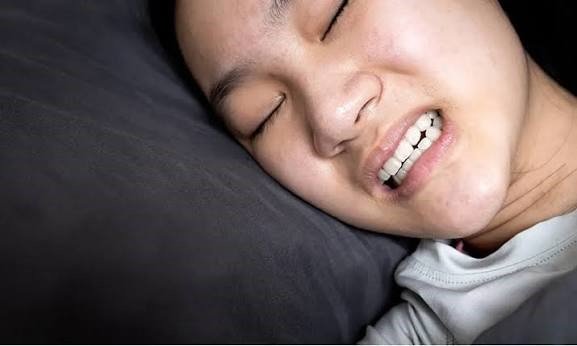
Dental experts are raising awareness about teeth grinding, a condition medically known as bruxism, warning that many people grind or clench their teeth while sleeping without realising it. Left untreated, the condition can wear down tooth enamel, cause jaw pain, crack teeth, and lead to long-term oral health problems.
Experts say early diagnosis and treatment can prevent permanent damage and improve quality of sleep.
What Is Bruxism?
Bruxism is the involuntary grinding or clenching of the teeth.
It can occur:

- During sleep (sleep bruxism).
- While awake, often during periods of stress or concentration.
Many people are unaware they have the condition until symptoms develop or a dentist identifies signs of tooth wear.
What Causes Teeth Grinding?
Several factors may contribute to bruxism, including:
- Stress and anxiety.
- Sleep disorders.
- Misaligned teeth.
- Certain medications.
- Excessive caffeine intake.
- Smoking and alcohol use.
In some cases, no clear cause can be identified.
Signs and Symptoms
Common symptoms include:
- Worn or flattened teeth.
- Jaw pain or stiffness.
- Frequent morning headaches.
- Tooth sensitivity.
- Clicking or popping of the jaw.
- Ear pain without an ear infection.
- Disturbed sleep.
Some people may also notice cracks or chips in their teeth.
Possible Complications
If left untreated, bruxism can lead to:
- Tooth fractures.
- Damage to dental fillings and crowns.
- Receding gums.
- Chronic jaw pain.
- Temporomandibular joint (TMJ) disorders.
- Tooth loss in severe cases.
Early treatment helps prevent these complications.
How Is Bruxism Diagnosed?
A dentist may diagnose bruxism by:
- Examining the teeth for signs of wear.
- Assessing jaw movement.
- Asking about symptoms such as headaches or jaw pain.
- Recommending a sleep evaluation if a sleep disorder is suspected.
Regular dental check-ups often help detect the condition before serious damage occurs.
Treatment Options
Treatment depends on the underlying cause and severity.
It may include:
- A custom-made night guard to protect the teeth.
- Stress management techniques.
- Treatment for sleep disorders.
- Correcting bite problems when necessary.
- Lifestyle changes, such as reducing caffeine and alcohol intake.
Most people benefit from a combination of these approaches.
How Can You Reduce Your Risk?
To help prevent teeth grinding:
- Manage stress through relaxation techniques.
- Maintain good sleep habits.
- Limit caffeine, especially in the evening.
- Avoid smoking and excessive alcohol consumption.
- Attend regular dental examinations.
These measures may help reduce symptoms and protect the teeth.
When Should You See a Dentist?
Seek dental advice if you experience:
- Persistent jaw pain.
- Frequent morning headaches.
- Tooth sensitivity without an obvious cause.
- Chipped or worn teeth.
- Clicking or locking of the jaw.
Prompt evaluation can prevent further damage.
The Bottom Line
Teeth grinding is a common condition that often goes unnoticed until significant damage has occurred. Early diagnosis, the use of protective night guards, and addressing underlying causes such as stress or sleep disorders can help preserve healthy teeth and reduce discomfort. Regular dental visits remain essential for detecting bruxism before permanent damage develops.
Disclaimer: This article is for informational purposes only and should not replace professional medical or dental advice. Anyone experiencing symptoms of teeth grinding or jaw pain should consult a qualified dentist or healthcare provider for proper evaluation and treatment.




