


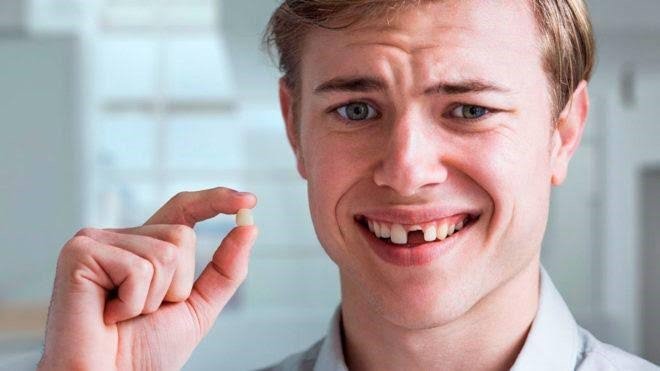
Dental professionals are urging the public to treat a knocked-out permanent tooth as a medical emergency, saying that quick action can significantly increase the chances of saving the tooth. Experts explain that many people lose the opportunity to preserve a tooth simply because they are unaware of the correct first-aid steps to take before reaching a dentist.
According to dental specialists, the first 30 to 60 minutes after a tooth is knocked out are often the most critical.
What Is a Knocked-Out Tooth?
A knocked-out tooth, also known as an avulsed tooth, occurs when a permanent tooth is completely displaced from its socket due to trauma or injury.
This may happen during:

- Road traffic accidents.
- Contact sports.
- Falls.
- Physical assaults.
- Workplace accidents.
Immediate treatment offers the best chance of saving the tooth.
What Should You Do Immediately?
If a permanent tooth is knocked out:
- Pick up the tooth by the crown (the white chewing surface), not the root.
- If dirty, rinse it gently with clean water for a few seconds without scrubbing.
- Try to place the tooth back into its socket if possible.
- If reinsertion is not possible, place the tooth in milk or saline solution.
- Seek emergency dental care immediately.
Avoid wrapping the tooth in tissue or allowing it to dry out.
What Should You Avoid?
Experts warn against:
- Touching the root of the tooth.
- Scrubbing or brushing the tooth.
- Using soap or chemicals to clean it.
- Delaying treatment.
- Storing the tooth in plain water for long periods.
These actions may reduce the chances of successful reattachment.
What If It Is a Baby Tooth?
If a baby tooth is knocked out, parents should not attempt to place it back into the socket, as this may damage the developing permanent tooth underneath.
Instead, the child should be taken to a dentist promptly for assessment.
Treatment
Depending on the condition of the tooth and how quickly treatment is received, the dentist may:
- Reinsert and stabilise the tooth.
- Splint the tooth to neighbouring teeth while it heals.
- Prescribe antibiotics if needed.
- Monitor healing with follow-up visits.
- Perform root canal treatment if necessary.
Prompt treatment greatly improves the likelihood of saving the tooth.
How Can Knocked-Out Teeth Be Prevented?
Dental experts recommend:
- Wearing mouthguards during contact sports.
- Using seat belts while travelling.
- Childproofing homes to reduce falls.
- Seeking treatment for protruding teeth that are more prone to injury.
Preventive measures can significantly reduce dental trauma.
When Should You Seek Emergency Care?
Seek immediate dental care if:
- A permanent tooth is completely knocked out.
- A tooth becomes loose after an injury.
- There is heavy bleeding from the mouth.
- The jaw appears fractured.
- Severe facial swelling develops after trauma.
Do not wait for the pain to begin before seeking help.
The Bottom Line
A knocked-out permanent tooth is a dental emergency that requires immediate action. Handling the tooth correctly and getting to a dentist as quickly as possible can make the difference between saving and losing the tooth. Knowing the correct first-aid steps can protect your smile and prevent long-term complications.
Disclaimer: This article is for informational purposes only and should not replace professional medical or dental advice. Anyone who suffers a dental injury should seek immediate evaluation from a qualified dentist or visit the nearest emergency healthcare facility.




