


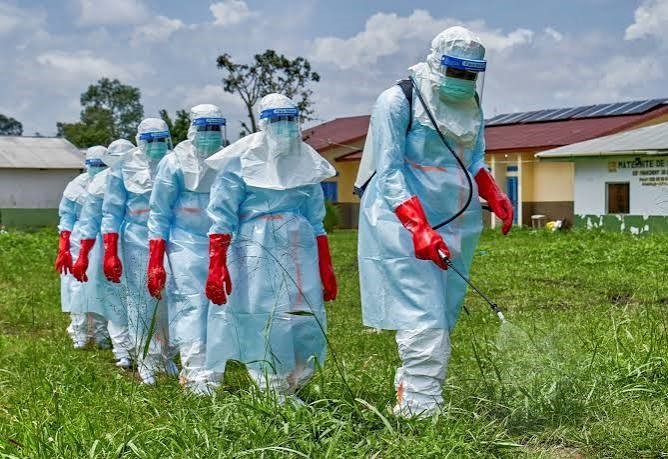
Africa’s response to the ongoing Bundibugyo Ebola outbreak is facing increasing pressure as infections continue to rise and the virus spreads into new areas of the Democratic Republic of Congo.
Latest figures showed that DR Congo had recorded 1,926 confirmed cases and 702 deaths as of July 11, 2026. The outbreak has also affected Uganda, increasing concerns about cross-border transmission and regional preparedness.
Ebola Cases Continue to Rise Rapidly
The outbreak has expanded significantly since it was first declared in May.
DR Congo recently reported cases in Tshopo and Haut-Uele, adding to transmission already recorded in Ituri, North Kivu and South Kivu.

European health authorities said the country recorded an increase of 134 cases and 77 deaths within a recent reporting period, highlighting the speed at which the health emergency is developing.
WHO Warns Outbreak Is Evolving Rapidly
The World Health Organization has described the outbreak as rapidly evolving, with sustained transmission and rising case numbers.
Earlier WHO data showed hundreds of cases being recorded within weeks as surveillance and testing increased.
The health agency has also identified cross-border transmission involving Uganda, where infections have been epidemiologically linked to the outbreak in DR Congo.
Health Workers Under Growing Pressure
Frontline healthcare workers remain exposed to serious risks while treating patients and supporting outbreak control activities.
WHO reported that at least 102 health and care workers in DR Congo had been infected by July 1, with 25 deaths recorded among them.
The outbreak response has also faced challenges involving treatment capacity, contact tracing and the welfare of frontline responders.
Regional Spread Remains a Major Concern
The movement of people across borders for trade and other activities has increased concern about further regional spread.
WHO previously assessed the risk in DR Congo as very high and the risk in Uganda as high.
Countries sharing land borders with areas where Bundibugyo virus has been detected have also faced heightened risk because of population movement and differences in outbreak preparedness.
Africa Needs Stronger Ebola Preparedness
WHO, Africa CDC and their partners have developed a continental preparedness and response plan aimed at helping African countries detect and respond rapidly to the outbreak.
The plan launched in June sought $518 million to strengthen preparedness and emergency response efforts across the continent.
Health experts say strong disease surveillance, laboratory testing, contact tracing and community engagement remain essential to controlling Ebola.
Scientists Race to Develop New Vaccine
The outbreak is caused by Bundibugyo virus, creating an urgent need for medical tools specifically targeting the strain.
The University of Oxford has now launched the first human trial of a vaccine designed against Bundibugyo ebolavirus.
The Phase 1 trial involves 50 healthy adults and will examine the vaccine’s safety and the immune response it produces.
The research could support future efforts to develop stronger protection against the virus.
Ebola Crisis Tests Africa’s Health Systems
The continued expansion of the outbreak is placing pressure on health systems already facing logistical and resource challenges.
Containing Ebola requires rapid identification of suspected cases, safe isolation, contact monitoring and cooperation from affected communities.
Delays or gaps in these measures can allow hidden chains of transmission to continue.
Urgent Action Needed to Stop Further Spread
With cases and deaths continuing to rise, health authorities face growing pressure to strengthen the outbreak response.
The expansion into additional provinces shows that the crisis remains active and capable of reaching new communities.
Regional cooperation, support for frontline health workers and faster detection of infections will remain crucial.
As Africa battles the deadly Bundibugyo Ebola outbreak, the coming weeks could be critical in determining whether health authorities can slow transmission and prevent wider regional spread.




