


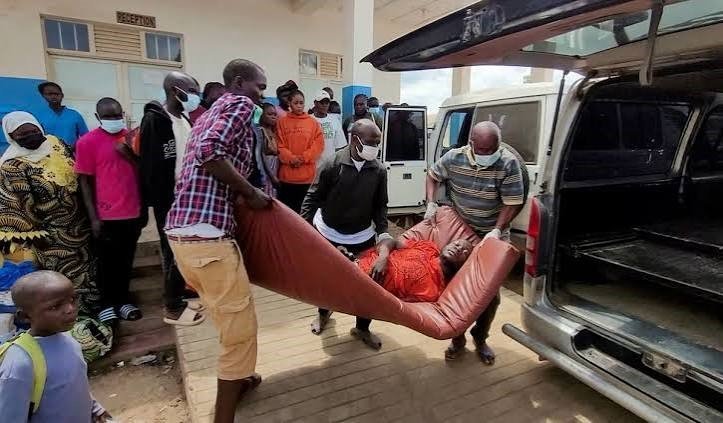
Health authorities in the Democratic Republic of Congo and Uganda are intensifying efforts to control an Ebola outbreak caused by the Bundibugyo virus as concerns grow over continued transmission.
The multi-country outbreak, which began in May 2026, has created a major public health challenge, with surveillance, contact tracing and emergency response measures strengthened in affected areas.
International health agencies are closely monitoring the situation as officials work to identify infections early and prevent the deadly virus from spreading further.
Bundibugyo Ebola Affects DR Congo and Uganda
The current outbreak is caused by Bundibugyo virus, one of the viruses capable of causing Ebola disease in humans.

Cases have been reported in several provinces of DR Congo, while Uganda has also recorded infections linked to the outbreak.
In DR Congo, confirmed cases have reached Haut-Uele, Ituri, North Kivu, South Kivu and Tshopo provinces.
Uganda’s capital, Kampala, has also been affected by the outbreak.
Outbreak Declared a Global Health Emergency
The outbreak was declared in DR Congo and Uganda on May 15, 2026.
Two days later, on May 17, the World Health Organization determined that the outbreak constituted a Public Health Emergency of International Concern.
The declaration highlighted the seriousness of the situation and the need for stronger international coordination.
Health agencies have since increased surveillance and preparedness efforts to limit further transmission.
Ebola Spreads Through Contact With Body Fluids
Ebola disease can spread through direct contact with the blood or bodily fluids of an infected person.
People can also become infected through contaminated objects or unsafe contact with the body of someone who died from the disease.
Common symptoms may include fever, severe weakness, headache, muscle pain, vomiting and diarrhoea.
Some patients may also develop internal or external bleeding.
Early identification and medical care are important in improving patient outcomes and reducing the risk of further spread.
Health Workers Face Serious Risks
Frontline health workers remain particularly vulnerable during Ebola outbreaks.
Medical staff, laboratory workers and emergency response teams may come into close contact with infected patients while carrying out their duties.
The current outbreak has renewed concerns about the availability of protective equipment, infection prevention measures and support for healthcare workers.
Health authorities continue to stress the importance of strict safety procedures in treatment centres and hospitals.
Surveillance and Contact Tracing Intensified
Authorities in DR Congo and Uganda are strengthening disease surveillance and contact tracing.
Contact tracing involves identifying and monitoring people who may have been exposed to an infected person.
Rapid testing and isolation of suspected cases are also important parts of the outbreak response.
Health officials are working to detect new infections before wider chains of transmission develop.
Scientists Race to Develop Bundibugyo Ebola Vaccine
The outbreak has also increased pressure on scientists to develop a vaccine specifically targeting Bundibugyo virus.
Existing approved Ebola vaccines mainly target the Zaire ebolavirus.
The University of Oxford recently launched the world’s first Phase 1 human trial of a vaccine specifically designed against Bundibugyo ebolavirus.
The trial will assess the vaccine’s safety and immune response in healthy adults.
International Health Agencies Monitor Outbreak
The World Health Organization, Africa CDC and other health agencies are supporting efforts to contain the outbreak.
The United States Centers for Disease Control and Prevention has also confirmed that it is responding to the Ebola outbreak in DR Congo and Uganda.
International cooperation remains important because population movement and cross-border travel can increase the risk of the virus reaching new areas.
Fight Against Ebola Continues
The Bundibugyo Ebola outbreak remains a major health concern for DR Congo, Uganda and the wider international community.
Health authorities are urging communities to report suspected symptoms and avoid direct contact with people believed to be infected.
As surveillance and outbreak response efforts continue, scientists and health officials are racing to control transmission and develop stronger medical tools against the deadly virus.
The success of the response will depend on early detection, community cooperation, effective contact tracing and strong support for frontline health workers.




