


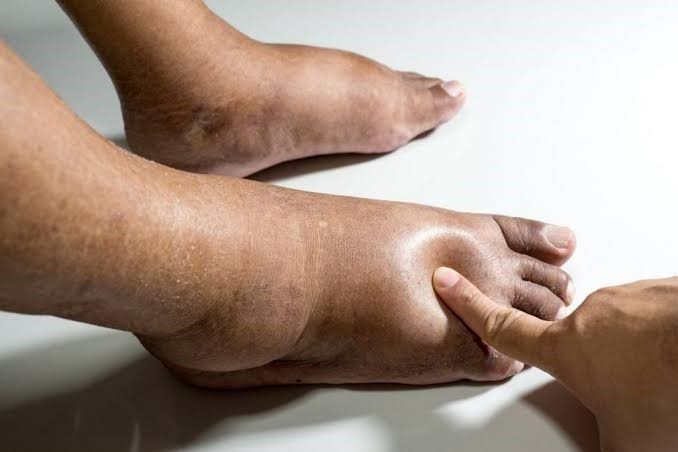
Health experts are urging Nigerians to seek prompt medical attention if they experience persistent body swelling, warning that ongoing swelling may be a sign of an underlying medical condition that requires timely diagnosis and treatment.
According to medical professionals, swelling, also known as oedema, occurs when excess fluid accumulates in the body’s tissues. It can affect different parts of the body, including the feet, ankles, legs, hands, face, or abdomen. While temporary swelling may occur after prolonged standing, minor injuries, or pregnancy, swelling that persists or worsens should not be ignored.
Doctors explain that persistent body swelling may be associated with a wide range of health conditions, including heart disease, kidney disease, liver disease, poor blood circulation, thyroid disorders, infections, allergic reactions, or problems affecting the lymphatic system.
Health experts note that the location and pattern of the swelling can provide important clues about its cause. Swelling in both legs may be linked to heart, kidney, or vein problems, while swelling affecting only one limb may suggest an injury, infection, or a blood clot. Facial swelling may result from allergies, dental infections, or kidney disorders.

Medical professionals advise the public to seek immediate medical attention if swelling is accompanied by chest pain, difficulty breathing, sudden severe pain, redness, warmth, fever, or swelling that develops rapidly. These symptoms may indicate a medical emergency requiring urgent treatment.
Doctors also encourage individuals to report additional symptoms such as unexplained weight gain, reduced urination, fatigue, persistent cough, abdominal discomfort, or changes in skin colour, as these may help healthcare providers identify the underlying cause.
Experts caution against self-medicating with diuretics, herbal remedies, or over-the-counter medications without medical advice. Treating swelling without determining its cause may delay appropriate care and increase the risk of complications.
Health professionals recommend adopting healthy lifestyle habits that support good circulation and overall health. These include maintaining a healthy body weight, engaging in regular physical activity, reducing excessive salt intake, drinking adequate water, and avoiding prolonged periods of sitting or standing without movement.
Doctors explain that diagnosing persistent swelling may involve a physical examination, blood and urine tests, imaging studies, or other investigations depending on the patient’s symptoms and medical history. Early diagnosis allows treatment to begin before serious complications develop.
Medical experts conclude that persistent body swelling should never be dismissed as a minor inconvenience. They encourage Nigerians to seek professional medical evaluation whenever swelling does not improve or is accompanied by other concerning symptoms, noting that early diagnosis and appropriate treatment can protect long-term health and improve outcomes.




