


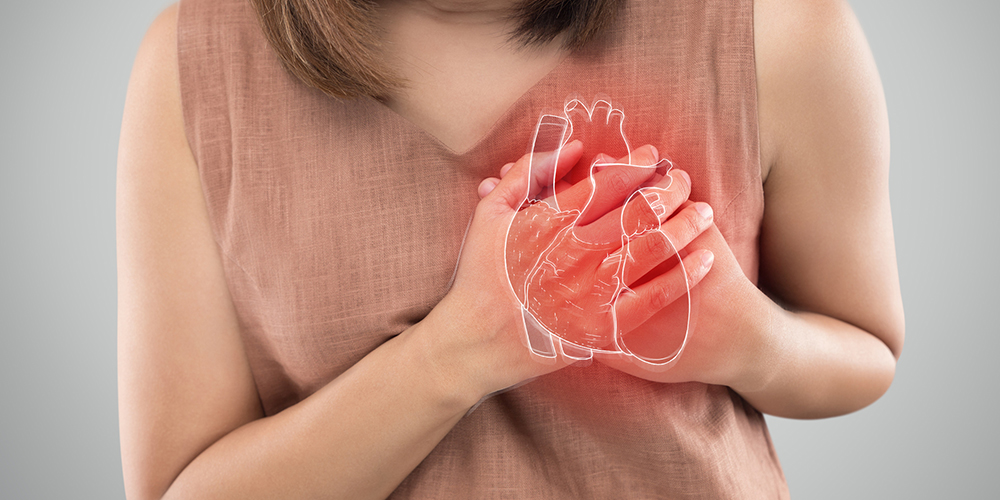
Heart disease remains one of the leading causes of death worldwide, and medical experts warn that the body sometimes gives warning signs long before a serious cardiac event occurs. According to the World Health Organization, cardiovascular diseases account for millions of deaths each year, making early detection and prevention extremely important.
While many people expect heart problems to show up during the day, doctors say some warning signs may appear at night when the body is resting. Recognizing these symptoms early could help people seek medical care before a life-threatening condition develops.
Here are five nighttime symptoms that may indicate underlying heart problems.
1. Shortness of Breath While Lying Down
One of the most common warning signs is difficulty breathing when lying flat in bed. Some people may feel the need to prop themselves up with extra pillows to breathe comfortably.
Medical experts say this can occur when the heart struggles to pump blood effectively, causing fluid to accumulate in the lungs. If this symptom happens frequently, it may indicate heart failure or other cardiovascular issues.
2. Sudden Chest Pain or Pressure at Night
Chest discomfort that appears while resting should never be ignored. The pain may feel like pressure, tightness, or burning in the chest and can sometimes spread to the arm, neck, jaw, or back.
According to the American Heart Association, nighttime chest pain could be a sign of reduced blood flow to the heart and may signal an increased risk of a heart attack.
3. Excessive Night Sweats
Waking up drenched in sweat without a clear reason may be more than just discomfort from heat. In some cases, heavy night sweating can occur when the heart is under stress and the body responds by activating the nervous system.
While night sweats can have many causes, doctors advise paying attention if they occur alongside fatigue or chest discomfort.
4. Irregular or Rapid Heartbeat
Some people notice a racing, pounding, or fluttering sensation in their chest when they lie down to sleep. These sensations, known as heart palpitations, may signal an abnormal heart rhythm.
Although occasional palpitations can be harmless, frequent episodes during the night should be evaluated by a healthcare professional.
5. Severe Snoring and Sudden Awakening
Loud snoring followed by sudden choking or gasping for air during sleep may indicate a condition known as sleep apnea. This disorder interrupts breathing repeatedly throughout the night and places extra strain on the heart.
Research has linked untreated sleep apnea with high blood pressure, heart failure, and other cardiovascular problems.
Why Early Attention Matters
Health professionals emphasize that heart disease often develops gradually, and recognizing early warning signs can significantly improve outcomes. Regular medical checkups, maintaining a healthy diet, exercising regularly, and avoiding smoking are among the key steps recommended to protect heart health.
Anyone who frequently experiences these nighttime symptoms is encouraged to consult a healthcare provider. Prompt evaluation and treatment may help prevent serious complications and protect long-term cardiovascular health.

