


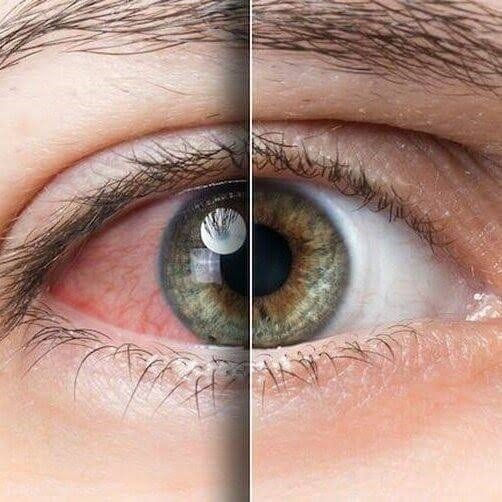
Dry eye is a common eye condition that occurs when the eyes do not produce enough tears or when tears evaporate too quickly. Tears are essential for keeping the eye surface lubricated, comfortable, and clear. When this balance is disrupted, it can affect one or both eyes and lead to irritation, discomfort, and vision problems.
Dry eye can range from mild to severe. In some cases, it may be temporary, while in others it becomes a long-term condition that requires ongoing care.
Symptoms of Dry Eye
Dry eye can present in different ways, depending on severity. Common symptoms include:
- Burning, stinging, or gritty sensation in the eyes
- Redness or irritation
- Excessive tearing (a reflex response to dryness)
- Blurred or fluctuating vision
- Sensitivity to light, wind, or smoke
- Eye fatigue, especially after reading or screen use
- Difficulty keeping the eyes open for long periods
- Stringy mucus around the eyes
- Discomfort when wearing contact lenses
- Eyelids sticking together on waking
In severe cases, eye pain may become intense enough to interfere with daily activities.

What Causes Dry Eye?
The surface of the eye is protected by a thin tear film made up of three layers: oil, water, and mucus. Any imbalance in these layers can lead to dry eye.
1. Tear film imbalance
- Oil layer: Produced by glands in the eyelids; prevents tears from evaporating too quickly. Blockage or inflammation of these glands can cause dryness.
- Water layer: Produced by tear glands; washes away debris and keeps the eyes moist. Reduced production leads to unstable tears.
- Mucus layer: Helps spread tears evenly across the eye surface. Defects can create dry patches on the eye.
2. Reduced tear production
Tear production naturally decreases with age, especially after 50. This is more common in women, particularly after menopause.
Risk Factors for Dry Eye
Several factors can increase the likelihood of developing dry eye:
Eyelid and blinking issues
- Eyelid turning inward or outward
- Eyelid inflammation
- Poor blinking due to contact lens use or screen time
Medical conditions
- Vitamin A deficiency
- Diabetes
- Autoimmune diseases such as rheumatoid arthritis or Sjögren’s syndrome
- Thyroid disorders
- Previous radiation therapy
Environmental triggers
- Dry, windy, or hot climates
- Air conditioning or indoor heating
- Smoke exposure
- High altitude
- Long hours of reading or screen use
Medications and treatments
Some drugs may reduce tear production, including:
- Antihistamines
- Decongestants
- Antidepressants
- Diuretics
- Hormonal contraceptives
- Acne medications
- Certain pain medications
- Some eye surgeries such as LASIK (temporarily)
How Dry Eye is Diagnosed
A doctor diagnoses dry eye by:
- Reviewing symptoms and medical history
- Examining the eye surface and eyelids
- Measuring tear production and quality
- Checking tear evaporation rate
- Performing a dilated eye exam to assess eye structures
These tests help identify both the severity and possible underlying cause.
Treatment Options for Dry Eye
Treatment depends on the cause and severity of the condition. The main goals are to improve tear quality, reduce discomfort, and protect the eye surface.
1. Artificial tears
Over-the-counter eye drops help replace natural tears. Preservative-free options are often recommended for frequent use.
2. Tear retention methods
Tears can be kept in the eye longer by:
- Using temporary punctal plugs
- Permanently closing tear drainage ducts in severe cases
3. Medications
Doctors may prescribe:
- Anti-inflammatory eye drops
- Drugs that stimulate tear production
- Immune-modulating eye medications for chronic cases
4. Treating underlying conditions
Managing diseases such as blepharitis or autoimmune disorders can significantly improve symptoms.
Home Care and Lifestyle Management
Simple daily practices can help relieve symptoms:
- Warm compresses on the eyes
- Gentle eyelid cleaning and massage
- Using a humidifier indoors
- Drinking enough water
- Taking screen breaks regularly
- Increasing blinking during screen use
Nutrition and Supplements
Certain nutrients support eye health:
- Vitamin A: Found in liver, eggs, dairy products, and leafy vegetables
- Omega-3 fatty acids: Found in fish, flaxseeds, soybeans, and nuts
Some studies suggest these nutrients may help improve tear quality and reduce inflammation in dry eye.
Prevention Tips
Dry eye can often be managed or reduced by:
- Blinking regularly during screen use
- Wearing protective sunglasses outdoors
- Avoiding dry or smoky environments
- Staying hydrated
- Using air humidifiers indoors
- Getting regular eye check-ups
Possible Complications
If left untreated, dry eye may lead to more serious problems such as:
- Eye infections
- Inflammation of the eye surface
- Damage or scarring of the cornea
- Reduced or permanent vision changes in severe cases
When to Seek Medical Attention
Medical help should be sought immediately if a person experiences:
- Severe or worsening eye pain
- Sudden changes in vision
- Intense light sensitivity
- Persistent redness or swelling
These symptoms may indicate complications that require urgent care.
Key Takeaway
Dry eye is a common but manageable condition caused by reduced tear production or poor tear quality. While mild cases can often be treated with lifestyle changes and artificial tears, more severe cases may require medical treatment. Early diagnosis and proper eye care are essential to prevent complications and maintain long-term eye health.




