


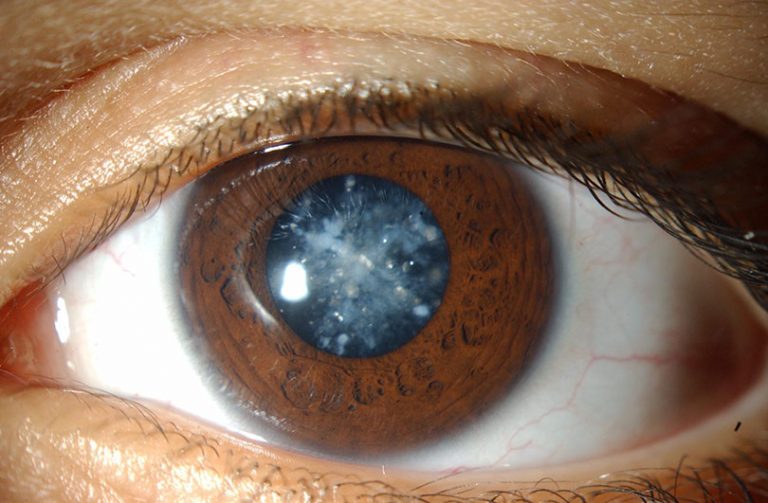
Vision is one of the most vital senses, yet many people overlook early warning signs of serious eye problems until significant damage has occurred. Health experts warn that blindness rarely happens suddenly; in most cases, the body sends signals long before vision loss becomes severe. Recognizing these signs early and taking preventive steps can help preserve eyesight and prevent avoidable blindness.
According to the World Health Organization, millions of people worldwide live with visual impairment, and a large percentage of cases could have been prevented or treated if detected early. Conditions such as glaucoma, cataracts, diabetic retinopathy, and macular degeneration often develop gradually, making routine eye examinations essential.
One of the earliest warning signs is blurred or distorted vision. People may notice difficulty reading, recognizing faces, or seeing clearly at night. Persistent eye pain or pressure is another red flag, especially if accompanied by nausea or headaches,
which can signal increased eye pressure linked to glaucoma. Sudden flashes of light, floating spots, or a shadow creeping across the field of vision may indicate retinal problems that require urgent medical attention.

Color perception changes can also signal trouble. If colors appear faded, yellowish, or dull, it may suggest cataracts or optic nerve damage. Similarly, increased sensitivity to light or frequent squinting may point to corneal or retinal issues. Experts from the American Academy of Ophthalmology emphasize that even mild symptoms should not be ignored, as early treatment significantly improves outcomes.

Protecting eye health involves both lifestyle habits and medical care. Regular comprehensive eye exams remain the most effective preventive measure, especially for individuals over 40, people with diabetes, or those with a family history of eye disease. Wearing sunglasses that block ultraviolet rays helps shield the eyes from sun damage, while protective eyewear reduces risk of injury during sports or hazardous work.
Nutrition also plays a key role. Diets rich in leafy greens, carrots, fish high in omega-3 fatty acids, and fruits containing vitamins A, C, and E support retinal health and may slow age-related vision decline. Staying hydrated and limiting excessive screen time can further reduce eye strain and dryness.
Ultimately, blindness is often preventable when symptoms are recognized early and addressed promptly. Paying attention to subtle vision changes, maintaining healthy habits, and seeking professional care when needed can make the difference between lifelong sight and irreversible vision loss.

