


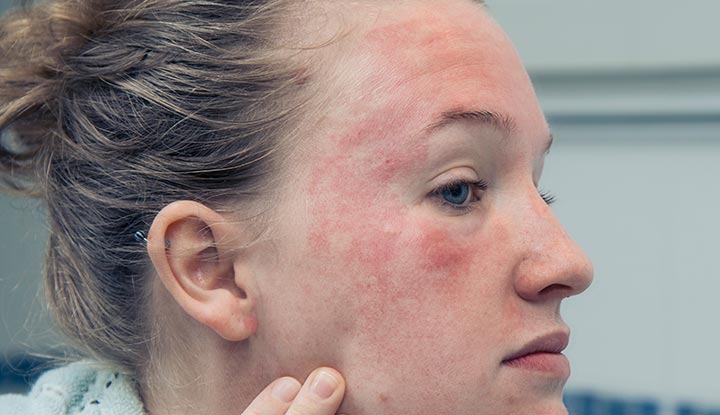
Eczema is a common inflammatory skin condition that causes dry, itchy, irritated skin and affects millions of people worldwide. While it can develop at any age, it often begins in childhood and may continue into adulthood. Although there is no cure, proper treatment and lifestyle adjustments can help control symptoms and reduce flare-ups.
What Is Eczema?
Eczema is a group of skin conditions that weaken the skin’s natural protective barrier, making it harder to retain moisture and defend against irritants, allergens, and environmental factors. This can lead to inflammation, itching, and recurring skin irritation.
Several forms of eczema exist, including:
- Atopic Dermatitis
- Contact Dermatitis
- Dyshidrotic Eczema
- Neurodermatitis
- Nummular Eczema
- Seborrheic Dermatitis
Some individuals may experience more than one type simultaneously.

Common Symptoms of Eczema
Symptoms can vary from person to person but often include:
- Dry, rough skin
- Persistent itching
- Red, brown, gray, or purple rashes depending on skin tone
- Small raised bumps
- Thickened or leathery skin patches
- Flaky or scaly skin
- Swelling and irritation
Eczema can appear almost anywhere on the body but is most commonly found on:
- Hands
- Face and cheeks
- Neck
- Elbows
- Knees
- Ankles
- Feet
- Around the ears
While eczema itself is not usually painful, repeated scratching can break the skin, increasing the risk of soreness and infection.
What Causes Eczema Flare-Ups?
Overactive Immune Response
People with eczema often have an immune system that reacts strongly to substances that are normally harmless. This response triggers inflammation, leading to itching, redness, and irritation.
Genetics
A family history of eczema, allergies, asthma, or hay fever can increase the likelihood of developing the condition. Certain genetic variations may also weaken the skin barrier, making the skin more vulnerable to irritants.
Environmental Triggers
Many everyday factors can trigger eczema symptoms, including:
- Cigarette smoke
- Air pollution
- Harsh soaps and detergents
- Fragranced skincare products
- Wool and rough fabrics
- Dry weather and low humidity
- Excessive heat and sweating
Stress and Mental Health
Emotional stress, anxiety, and depression can contribute to more frequent or severe eczema flare-ups. Stress may worsen inflammation and increase the urge to scratch irritated skin.
How to Manage and Treat Eczema
Although eczema cannot be cured, several treatments can help keep symptoms under control.
Moisturize Regularly
Applying fragrance-free moisturizers throughout the day helps restore the skin barrier and prevent dryness.
Use Prescribed Medications
Healthcare providers may recommend:
- Topical corticosteroid creams
- Anti-inflammatory medications
- Antihistamines to reduce itching
- Oral corticosteroids for severe flare-ups
- Immune-modulating treatments
Consider Light Therapy
For some people, medically supervised light therapy can help reduce inflammation and improve skin appearance.
Identify and Avoid Triggers
Keeping track of activities, products, foods, or environmental exposures that worsen symptoms can help prevent future flare-ups.
Protect Your Skin
Simple habits can make a difference:
- Take shorter, lukewarm showers
- Use gentle cleansers
- Wear soft, breathable clothing
- Avoid scratching affected areas
- Keep nails trimmed to reduce skin damage
When to Seek Medical Advice
If eczema symptoms become severe, interfere with daily life, or show signs of infection such as increased redness, swelling, pain, or discharge, medical evaluation is recommended.
Outlook
Eczema is a long-term condition, but effective treatments and good skincare habits can significantly reduce symptoms and improve quality of life. Recovery from a flare-up may take several weeks, but with consistent management, many people are able to keep their skin healthy and comfortable.




