


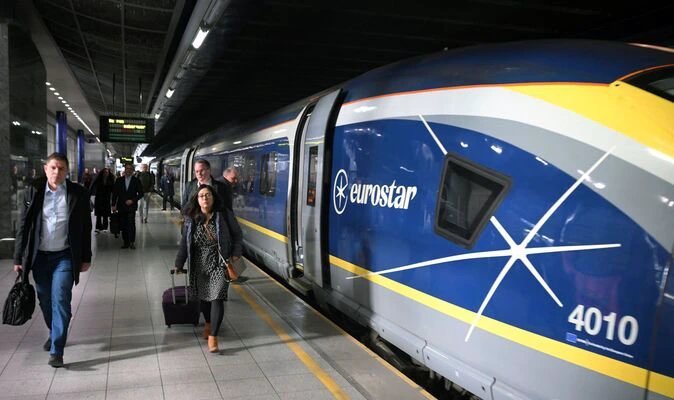
(DDM) — Eurostar passengers travelling from the United Kingdom to France are bracing for major changes next month as the European Union rolls out a new Entry/Exit System (EES) requiring fingerprints, photos, and strict pre-travel questioning before boarding.
DDM gathered that the controversial system, set to begin in stages from October, has triggered widespread criticism among UK passengers who describe the new rules as “invasive,” “unnecessary,” and “a recipe for travel chaos.”
Under the new EU regulation, non-EU travellers heading to France via Eurostar, the Port of Dover, or the Channel Tunnel will undergo biometric registration before departure from the UK. Meanwhile, those travelling by air will be checked upon arrival in the EU.
Eurostar has already spent £11 million installing a massive new border-processing zone inside London St Pancras station, including 49 biometric kiosks, nearly double what French officials initially recommended.
The kiosks automatically ask passengers a series of pre-entry questions, including:
Proof of pre-booked accommodation
Return or onward travel ticket
Sufficient funds for their stay
Mandatory medical insurance, which must cover all treatment, hospital care, medical evacuation, and even repatriation in the event of death
If a passenger answers “No” to any requirement, an alert is immediately sent to Police aux Frontières. Such passengers may be denied entry outright.
According to EU guidelines, medical insurance is now compulsory for travellers entering France, making it one of the strictest requirements imposed on UK citizens since Brexit.
Background checks by DDM show that under the EES, fingerprints need only be taken once every three years, although passengers must still undergo photo capture and questioning every time they travel.
Children under 12 will be exempt from fingerprinting.
Eurotunnel officials confirmed that coaches and lorries will begin EES checks from October 12, followed by car passengers later in the year.
Its £70 million processing system aims to handle 700 vehicles per hour, using 224 kiosks at peak periods.
In trial runs at the Folkestone terminal, test passengers reportedly cleared the biometric process in just under two minutes. Unlike Eurostar, they were not required to answer pre-entry questions.
Eurotunnel CEO Yann Leriche insisted that concerns about massive delays are exaggerated, maintaining that the new border checks will have only a “minimal impact” on travel time.
But he warned that other border operators may not be adequately prepared for the October deadline.
He said some operators mistakenly assumed the system would be postponed or abandoned, adding, “They are just saying they didn’t do a good job.”
Leriche also warned that poorly-prepared border posts across Europe could trigger so much public frustration that travellers might be discouraged from holidaying abroad altogether.
The EU’s EES rollout, one of the biggest post-Brexit shifts in travel rules, is expected to permanently change how British travellers access mainland Europe, sparking debates about sovereignty, border security, and whether the UK government is equally prepared for reciprocal measures.
More updates to follow as the new system goes live.

