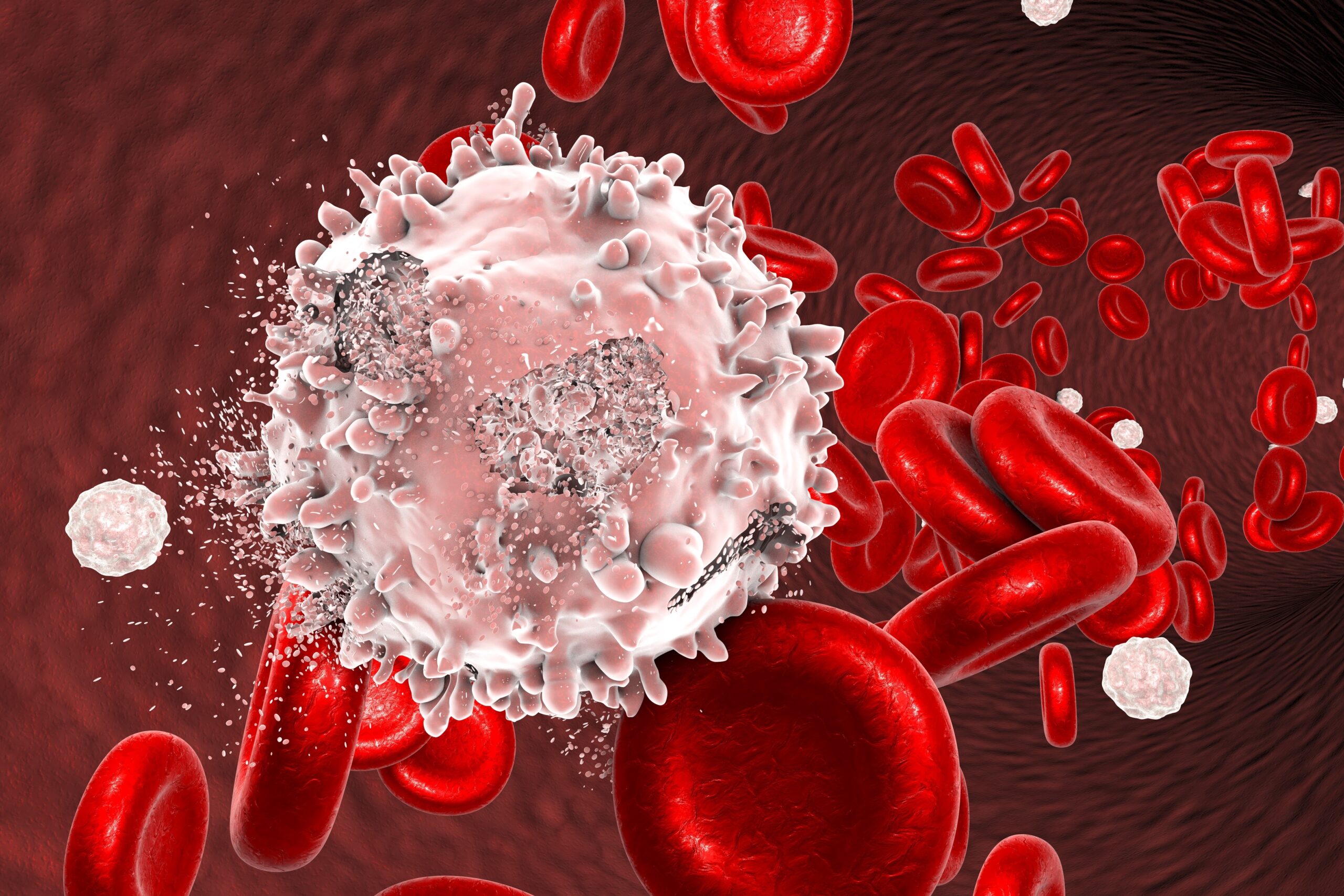
Health professionals are cautioning that while many everyday foods and substances are safe in moderation, excessive consumption of certain items may increase the risk of developing serious conditions, including Blood Cancer. These cancers such as Leukemia, Lymphoma, and Multiple Myeloma affect the production and function of blood cells and can be life-threatening if not detected early.
Medical experts emphasize that lifestyle and environmental factors play a role in cancer risk, and limiting exposure to harmful substances is a key preventive strategy.
Five Things to Avoid Taking in Excess
1. Processed and Preserved Foods
Highly processed foods such as smoked meats, canned products, and packaged snacks often contain preservatives and chemicals like nitrates. When consumed excessively over time, these substances may contribute to cellular damage and increase cancer risk.

2. Alcohol
Heavy alcohol consumption has been linked to several types of cancer, including those affecting the blood and immune system. Excessive intake can weaken the body’s defense mechanisms, making it harder to fight abnormal cell growth.
3. Sugary Foods and Drinks
Diets high in refined sugar can lead to obesity and chronic inflammation both of which are associated with increased cancer risk. While sugar itself does not directly cause blood cancer, experts say excessive intake may create conditions that support disease development.
4. Exposure to Harmful Chemicals
Regular exposure to toxic substances such as pesticides, industrial chemicals, and solvents like benzene has been strongly linked to blood cancers, particularly leukemia. Health professionals advise minimizing contact with such chemicals, especially in occupational settings.
5. Overuse of Certain Medications and Supplements
Unregulated or excessive use of medications and supplements can strain the body and, in some cases, expose individuals to harmful compounds. Experts recommend using medications only as prescribed and avoiding unnecessary or prolonged use without medical supervision.
The Importance of Moderation and Awareness
Oncologists stress that moderation is key. Occasional consumption of these items does not automatically lead to disease, but long-term excessive intake can increase health risks.
They also highlight the importance of regular medical check-ups, particularly for individuals with a family history of cancer or those exposed to high-risk environments.
Early Signs Should Not Be Ignored
Symptoms of blood cancer can be subtle and may include persistent fatigue, frequent infections, unexplained weight loss, and unusual bleeding or bruising. Early detection significantly improves treatment outcomes.
A Preventive Approach to Long-Term Health
Health authorities continue to advocate for healthier lifestyles, including balanced diets, reduced exposure to toxins, and responsible use of medications.
Living longer is not just about avoiding disease, but about making informed daily choices, experts note. “Reducing harmful exposures today can significantly lower your risk tomorrow.”