The Federal Government has officially begun the process of banning single-use plastics across Nigeria, signaling a bold move in the fight against plastic pollution.
The Office of the Secretary to the Government of the Federation (SGF) on Monday inaugurated an Inter-Ministerial Committee on the Ban of Single-Use Plastics (SUPs) to oversee the implementation process.
This development marks a major step toward environmental reform following the Federal Executive Council (FEC) approval of the ban on June 25, 2024.
Items Affected by the Ban
The upcoming ban targets common plastic items such as:

Polyethylene Terephthalate (PET) bottles
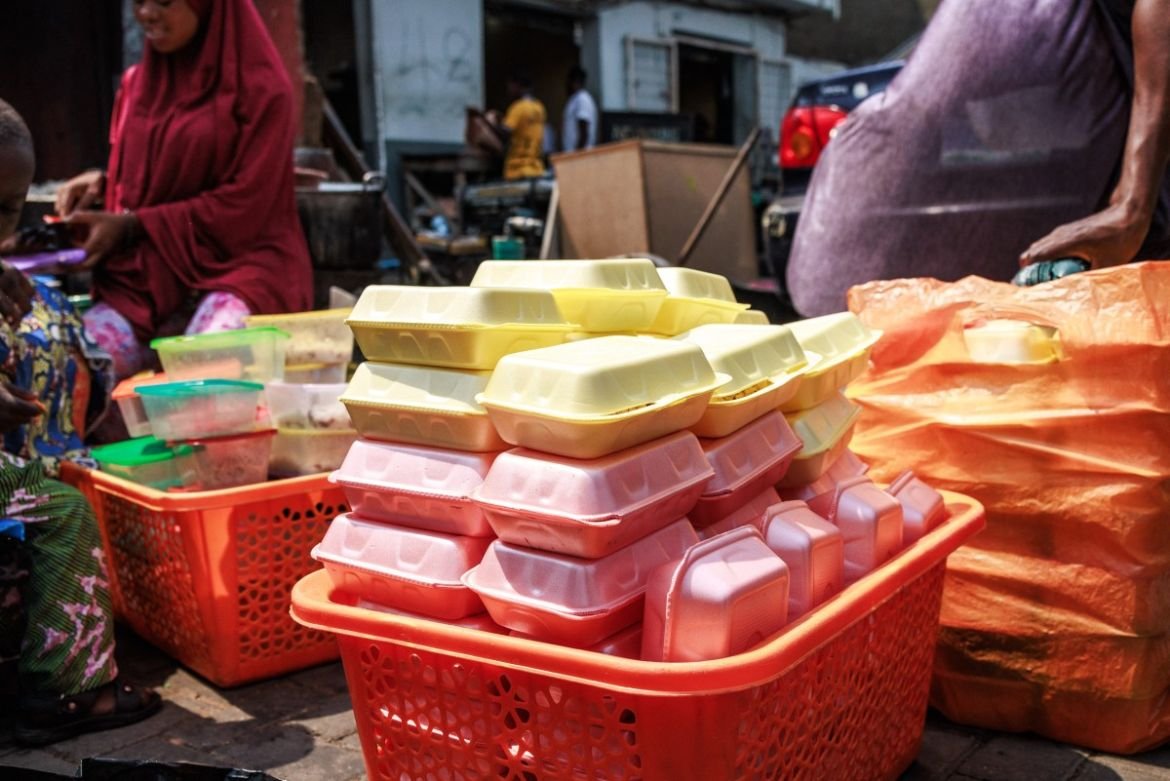
Styrofoam food packs
Plastic shopping bags
Sachet water packaging
Plastic straws
These items, often discarded after a single use, have become one of the largest contributors to environmental degradation in the country.
Akume: “Ban Aligns With Global Environmental Standards”
In his address, SGF George Akume said the decision aligns with Nigeria’s global commitment to sustainable environmental practices.
“The FEC decision was in line with the Federal Government’s efforts to tackle various health and environmental challenges, especially those caused by single-use plastics,” Akume stated.
Represented by Mohammed Sanusi Danjuma, Permanent Secretary of the General Services Office, Akume explained that the policy was designed to reduce the impact of plastic waste on both land and water.
He said plastic materials take years to decompose and release toxic chemicals that harm wildlife and pose health risks to humans.
“The inappropriate disposal of plastic materials is a major cause of marine pollution and land degradation,” he noted.
Nigeria’s Strongest Step Toward SDGs
The SGF described the policy as Nigeria’s most decisive environmental action yet, aimed at achieving the Sustainable Development Goals (SDGs) and reducing waste pollution nationwide.
He emphasized that the committee will work with relevant ministries, agencies, and private stakeholders to ensure a smooth phase-out of harmful plastic materials.
Environmental experts have hailed the move as long overdue, urging the government to back it up with public education and enforcement mechanisms.
The ban is expected to reshape packaging, retail, and food industries across the country, while also boosting eco-friendly alternatives like paper and biodegradable products.