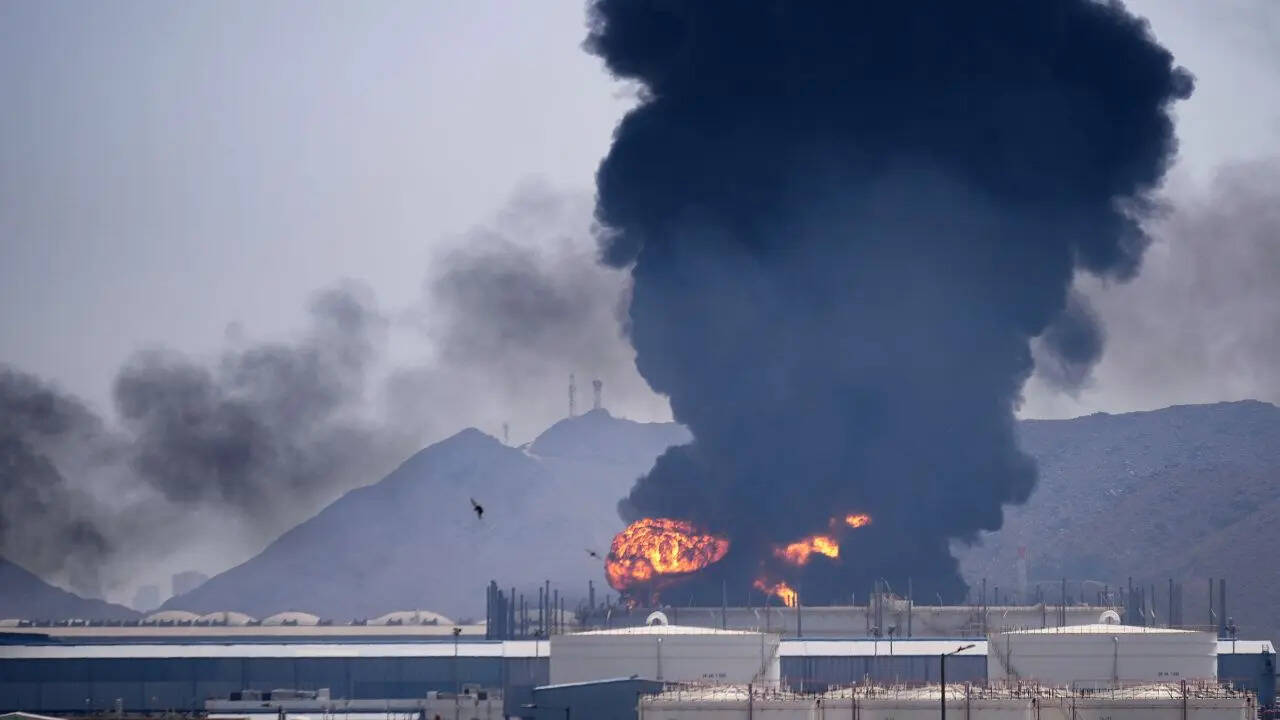
A major oil refinery in Kuwait has been set ablaze following a fresh wave of Iranian drone attacks, as tensions in the Middle East continue to escalate.
Firefighters were on Friday battling to contain the blaze at the Mina al-Ahmadi refinery, one of Kuwait’s largest oil facilities, after it was struck overnight.
The latest attack comes amid a series of strikes by Iran on energy infrastructure across the Gulf, despite growing international calls for restraint.
The escalation follows an earlier Iranian strike on Qatar’s Ras Laffan gas facility, a key export hub operated by QatarEnergy, which supplies a significant share of the world’s liquefied natural gas.

Iran has said its actions are in retaliation for an Israeli strike that damaged its South Pars gas field earlier in the week, a critical site linked to one of the world’s largest gas reserves.
The rising attacks have heightened concerns over global energy supplies, with analysts warning that sustained damage to infrastructure could trigger long-term disruptions and drive up prices.
Israeli Prime Minister Benjamin Netanyahu, however, suggested the conflict could be nearing an end, saying Israel was gaining the upper hand.
“We are winning and Iran is being decimated,” he said, adding that the war could end sooner than expected, though he gave no timeline.
Despite the claims, Iran has maintained a defiant stance. Officials insist the country’s missile production remains unaffected, even as the conflict enters its third week.
The situation has also drawn in other Gulf countries. Saudi Arabia reported intercepting multiple drones, while the United Arab Emirates confirmed missile threats as the region marked the Eid-el-Fitr holiday.
The crisis has disrupted movement through the Strait of Hormuz, a vital route for global oil and gas shipments, further tightening supply and adding pressure to international markets.
Energy experts warn that continued attacks on key facilities could have lasting economic consequences, pushing up inflation and affecting consumer spending worldwide.
With no clear end in sight, the conflict is increasingly spilling beyond its original scope, raising fears of a wider regional war with global implications.