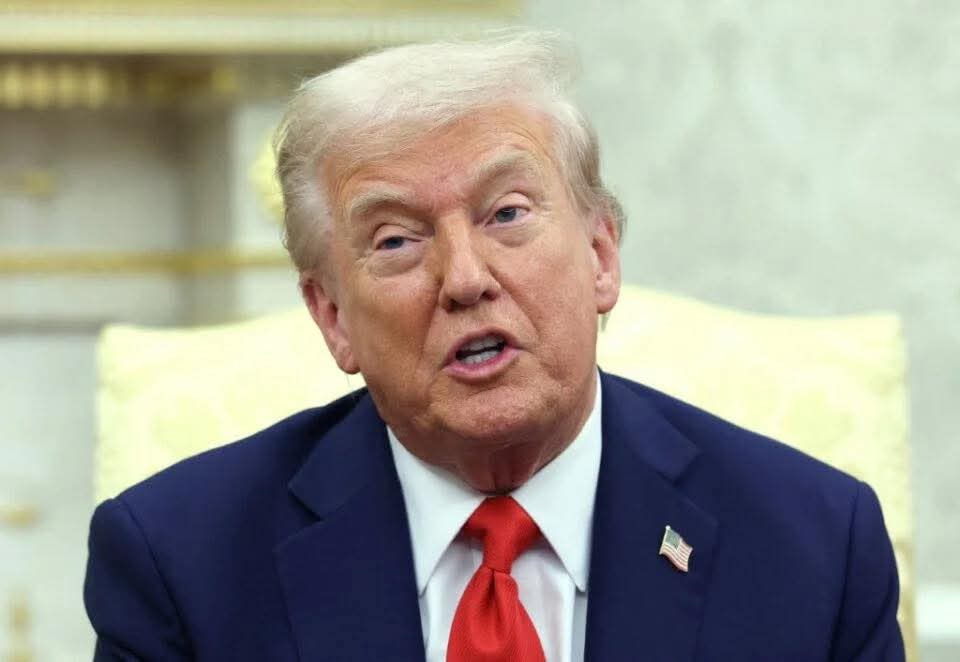
(DDM) – The United States government has formally announced its withdrawal from 66 international organisations following a sweeping policy review ordered by President Donald Trump’s administration.
The decision was confirmed by the US Secretary of State, Marco Rubio, who explained that the withdrawals were the outcome of an extensive assessment of America’s participation in multilateral institutions.
Rubio stated that the review examined whether these organisations aligned with US national interests, fiscal responsibility, and strategic priorities.
According to the State Department, many of the affected organisations were classified as wasteful, ineffective, or operating in ways considered harmful to American interests.

The review reportedly focused on financial contributions, governance structures, political bias, and policy outcomes of each organisation.
US officials argued that continued participation in some international bodies no longer delivered value proportional to the resources invested by American taxpayers.
The withdrawal decision reflects a broader “America First” approach that defined the Trump administration’s foreign policy orientation.
Officials said the administration believes multilateral engagement should be selective and directly beneficial to US economic and security objectives.
The 66 organisations span multiple sectors, including cultural cooperation, development financing, environmental advocacy, policy research, and international coordination platforms.
Some of the organisations are affiliated with global governance frameworks, while others operate as independent international partnerships.
The State Department disclosed that the full list of affected organisations has been officially documented and circulated through diplomatic channels.
US authorities stressed that the withdrawals do not amount to a complete rejection of international cooperation.
Instead, officials said the administration prefers bilateral agreements and issue-specific alliances over broad multilateral commitments.
The government also noted that several of the organisations had long been criticised for bureaucratic inefficiency and lack of measurable outcomes.
In some cases, US representatives reportedly raised concerns about politicisation, duplication of roles, and ideological agendas.
The administration argued that American funds were being used to support initiatives that conflicted with US policy positions.
Critics of the move, however, have described the withdrawals as a setback for global collaboration.
International policy analysts warned that reduced US participation could weaken multilateral problem-solving mechanisms.
Some observers expressed concern that the decision may diminish America’s influence within global institutions.
Others argued that the move could create leadership vacuums filled by rival global powers.
Supporters of the withdrawal policy countered that many of the organisations had become ineffective and resistant to reform.
They maintained that continued funding without accountability undermined domestic priorities.
The Trump administration has consistently questioned the value of international institutions established during earlier eras of globalisation.
This latest action follows previous withdrawals from major international agreements and bodies during Trump’s tenure.
Officials emphasised that each organisation was reviewed individually rather than removed through a blanket decision.
They added that future administrations retain the authority to reconsider participation where national interests align.
Diplomatic sources indicated that formal notifications of withdrawal have been issued in accordance with organisational rules.
Some withdrawals take immediate effect, while others involve transition periods outlined in membership agreements.
Global reactions to the announcement have been mixed, with some allies expressing disappointment.
Others acknowledged the United States’ right to reassess its international commitments.
The development underscores a continuing shift in US foreign policy philosophy during the Trump era.
Analysts say the decision reinforces a preference for sovereignty-driven diplomacy over collective governance.
As debates continue, the full implications of the withdrawals are expected to unfold across diplomatic, economic, and political arenas.
For now, the Trump administration insists the move strengthens American autonomy and fiscal discipline.
The decision has once again placed the role of the United States in global institutions under intense international scrutiny.