


tech-google-launches-new-tech-tools-to-save-publisher-traffic
Google Launches New Tech Tools To Save Publisher Traffic Google is finally giving news publishers a crucial preferred source button today to combat devastating AI-driven traffic losses, as zero-click searches soar past 69 percent globally. Google introduces a powerful new preferred source button to help tech publishers fight massive AI-driven traffic losses today.
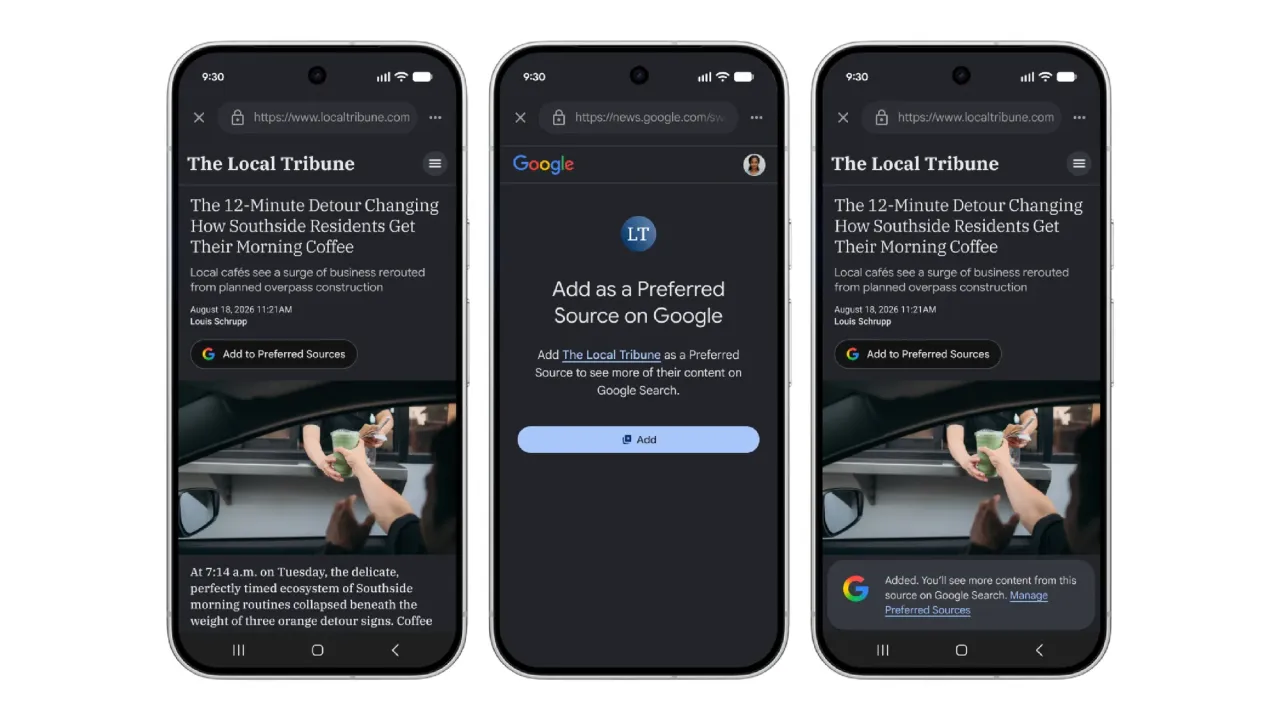
Google is giving news publishers a new way to fight AI-driven traffic losses. Specifically, the company launched a preferred source button for search users today. Through this, readers can prioritize specific websites across Google News and Discover. Ultimately, this change aims to restore some organic clicks to original tech creators.

Tech Giant Introduces Preferred Source Buttons
Consequently, the new feature lets users directly influence their daily news feeds. Specifically, readers can select major tech outlets or independent blogs as preferred sources. For example, a user can tell Google Discover exactly what topics they want. Furthermore, the search engine will remember these specific media preferences for future visits. As a result, favored websites will appear more often above AI-generated content blocks. Indeed, this update grants both publishers and readers much better control over feeds.
Additionally, Android users will get options to customize daily audio news briefings. Of course, this granular control helps readers curate their exact daily updates. In fact, Google wants to balance automated search efficiency with strong editorial credibility. Therefore, publishers finally gain a direct channel to maintain loyal reader engagement. Through this, the tech giant seeks to stabilize the entire digital content ecosystem.
AI Overviews Fuel Massive Industry Traffic Drops
Meanwhile, TechCrunch reports that digital publishers face an existential crisis today. Specifically, Google rolled out its AI Overviews feature fully in mid-2024. Consequently, these automated summaries pushed traditional organic web links much further down. For example, expanded AI answers can push organic results almost two screens away. As a result, most search users never scroll down to see the real links.
However, this layout shift caused catastrophic traffic drops for major media companies. Indeed, some popular tech sites lost over 80 percent of their search traffic. Specifically, Axios notes that Google basically stopped sending people to actual websites. As a result, independent publishers have filed formal antitrust complaints in Europe. Therefore, regulatory groups are now closely watching how Google handles these serious issues.
Publishers Face Severe Zero-Click Search Rates
Furthermore, data shows that users rarely click traditional links beneath AI summaries. Specifically, zero-click searches rose from 56 percent to 69 percent by May 2025. In fact, Pew Research data shows nearly seven out of ten searches end without clicks. Therefore, niche publishers lose their entire audience for explanatory or lifestyle articles. Consequently, travel blogs and recipe websites are losing their primary traffic pipelines entirely.
Subsequently, top-ranking search pages saw huge click reductions over the past year. For example, Ahrefs data shows position-one organic click rates fell from 1.41 to 0.64 percent. Meanwhile, AI bot crawler requests increased by 300 percent during this exact period. Consequently, content creators provide the data but lose vital advertising revenue completely. Indeed, bots do not click links or trigger the pageview events that fund journalism.
New Revenue Options And Future Industry Outlook
Simultaneously, Google is trying to calm the anger from the digital media sector. Specifically, the search giant recently launched new features like the Offerwall system. Through this, publishers can generate alternative revenue through micropayments or basic subscriptions. Indeed, experts constantly debate How AI Is Creating New Ways to Make Money in 2026. As a result, media firms must look beyond basic search traffic to survive today.
Ultimately, sustainable search growth requires transparent user preferences and strong content partnerships. For example, Google now adds inline link context directly inside its AI summaries. Consequently, users can see the exact website name before they click anything. Therefore, these small changes might help stabilize the fragile digital content ecosystem. Of course, publishers hope these new buttons will slowly bring their lost readers back.
To conclude, the preferred source button marks a major shift in search dynamics. Specifically, Google realizes that original journalism remains vital for its AI models. Indeed, without high-quality written content, these automated tech summaries will eventually fail. Ultimately, publishers must adapt quickly to survive this new automated internet era.




