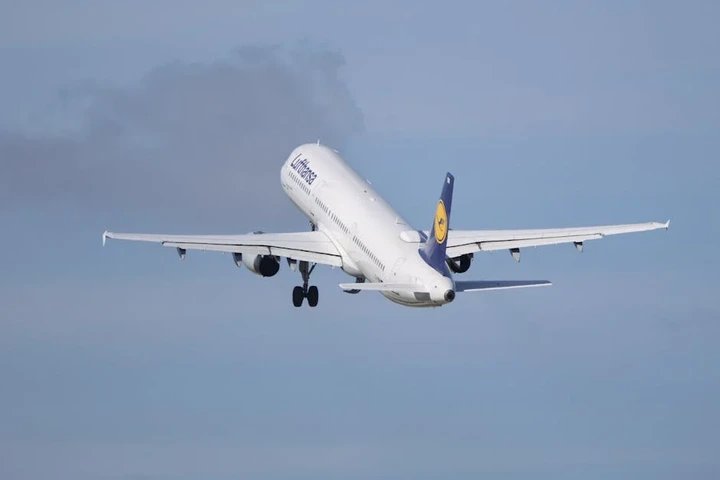
(DDM) — Germany’s flagship carrier Lufthansa has raised fresh concerns over growing congestion in Gulf airspace, warning that the situation could disrupt international aviation routes and create ripple effects for African economies, particularly Nigeria.
Airline executives described the increasing traffic across the Gulf region as a major operational challenge for global aviation, calling it the “Achilles’ heel” of modern air travel. According to the airline, the airspace between Europe and the Middle East has become increasingly crowded as passenger demand surges and airlines expand routes connecting multiple continents.
The development is significant because the Gulf region serves as a crucial corridor linking Europe, Asia, and Africa. Many long-haul flights between Europe and major African destinations pass through this airspace, making any congestion there capable of affecting flight schedules across several continents.
Lufthansa, which maintains regular routes connecting European cities with African destinations including Nigeria, warned that increasing traffic volumes could lead to delays, scheduling disruptions, and operational inefficiencies for airlines.
For passengers, this could translate into longer travel times, delayed departures, and missed connections, especially on routes that rely heavily on Gulf airspace.

For cargo operators and businesses, the implications could be even more serious.
Nigeria, widely recognized as Africa’s largest economy, depends heavily on international air connectivity for trade, investment, tourism, and diplomatic engagement. Cargo flights moving between Europe and Nigeria often transport time-sensitive goods such as medical supplies, industrial equipment, and perishable agricultural products.
Any disruption along these routes could therefore slow commercial activities and raise logistics costs.
Industry observers note that the Gulf region has grown into one of the world’s busiest aviation corridors due to the rise of global hub airports and rapidly expanding airline networks.
Major aviation hubs such as Dubai International Airport and Hamad International Airport handle millions of international passengers every year and serve as connecting points for travelers moving between continents.
However, the rapid expansion of flight routes and passenger demand has placed growing pressure on available airspace.
Lufthansa’s warning highlights how such congestion can affect not only airlines but also broader economic development, particularly in regions that rely on efficient air transport for global integration.
For African countries, aviation connectivity plays a vital role in development goals ranging from tourism expansion to international trade and healthcare logistics.
Limited infrastructure and dependence on international carriers already pose challenges for many African aviation markets. Additional congestion along major air corridors could further complicate efforts to improve connectivity and attract foreign investment.
Despite the concerns, aviation analysts say the situation could also create opportunities for African airlines to expand their operations.
Carriers such as Air Peace and Arik Air may find new demand for direct routes connecting Nigeria to Europe or other global destinations, potentially reducing reliance on heavily congested Gulf corridors.
By expanding direct flights, African airlines could strengthen regional aviation networks, increase passenger convenience, and stimulate tourism and business travel.
Experts say addressing the broader issue will likely require closer cooperation among aviation authorities, airlines, and governments across multiple regions.
Improving air traffic management systems, expanding airport infrastructure, and enhancing coordination between aviation regulators are among the measures that could help ease congestion in one of the world’s most important air travel corridors.
For now, Lufthansa’s warning serves as a reminder that global aviation challenges can quickly translate into economic concerns for countries far beyond the immediate region where the congestion occurs.