


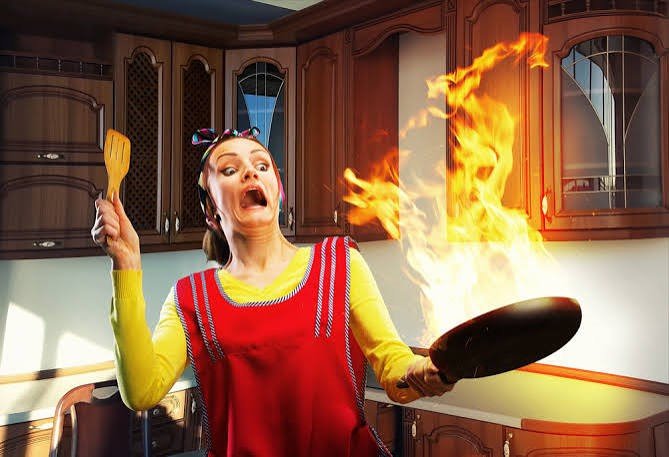
Health experts are warning that kitchen accidents remain one of the leading causes of preventable injuries in homes, with burns, cuts, falls, and electrical incidents accounting for thousands of emergency hospital visits each year. According to medical professionals, while the kitchen is often regarded as the heart of the home, it also contains numerous hazards that can result in serious injuries if proper safety measures are not followed. They are urging families to adopt safer cooking and food preparation practices to reduce the risk of accidents.
Doctors explain that kitchen-related injuries can affect people of all ages, but young children, older adults, and individuals preparing meals in a hurry are particularly vulnerable. Sharp knives, hot cooking oil, boiling water, open flames, electrical appliances, and slippery floors all present potential dangers. Many of these accidents occur during everyday tasks and are often caused by distraction, fatigue, or failure to observe basic safety precautions.
According to emergency medicine specialists, burns are among the most common kitchen injuries. Hot liquids, steam, heated cookware, cooking oil, and open flames can cause painful burns that range from minor skin injuries to severe tissue damage requiring specialized medical care. Medical professionals advise individuals to immediately cool minor burns under cool running water for at least 20 minutes and seek urgent medical attention for burns that are deep, extensive, or involve the face, hands, feet, or major joints.
Cuts from kitchen knives also account for a significant number of household injuries. Doctors note that using dull knives, cutting food on unstable surfaces, or attempting to catch a falling knife are common causes of serious lacerations. They recommend using sharp, well-maintained knives, cutting on stable chopping boards, and keeping fingers safely away from the blade while preparing food. Deep cuts that continue bleeding despite direct pressure or expose underlying tissues should receive prompt medical evaluation.

Health experts also warn about the dangers of kitchen fires, which often result from unattended cooking, overheating oil, faulty electrical appliances, or flammable materials placed too close to heat sources. They advise never leaving food cooking unattended, especially when frying with oil, and recommend keeping a fire extinguisher or fire blanket in the kitchen. In the event of a grease fire, water should never be poured onto the flames, as this can cause the burning oil to spread rapidly and worsen the fire. Instead, the heat source should be turned off if it is safe to do so, and the flames should be smothered using a metal lid or an appropriate fire blanket.
Medical professionals emphasize that children should be kept away from cooking areas whenever possible. Pot handles should always be turned inward to prevent hot food or liquids from being pulled down, and electrical cords from appliances such as kettles and rice cookers should be kept out of children’s reach. Parents are also advised not to hold young children while cooking or carrying hot food and drinks, as sudden movements can lead to serious scald injuries.
Doctors further caution against the misuse of electrical appliances in the kitchen. Damaged cords, overloaded power outlets, and using electrical devices with wet hands can significantly increase the risk of electric shock. Appliances should be unplugged after use, inspected regularly for damage, and repaired only by qualified technicians.
Health specialists recommend maintaining a clean and organized kitchen to reduce the likelihood of slips and falls. Spilled water, cooking oil, or food should be cleaned immediately, while cluttered walkways should be kept clear to prevent trips. Adequate lighting is also important to ensure that sharp tools and hot surfaces are clearly visible during food preparation.
Medical professionals conclude that most kitchen accidents can be prevented through simple safety practices, careful supervision, and increased awareness of potential hazards. They encourage families to make kitchen safety a daily priority, noting that taking a few extra precautions can significantly reduce the risk of injuries and create a safer environment for everyone in the home.




