


As life expectancy continues to rise around the world, health experts are placing greater emphasis on healthy ageing. While growing older is a natural part of life, medical professionals say adopting healthy habits can help people remain active, independent and mentally sharp well into old age.
Healthy ageing involves maintaining physical, mental and social well-being while reducing the risk of chronic diseases and age-related disabilities. Experts stress that it is never too early—or too late—to begin making positive lifestyle changes.
What Is Healthy Ageing?
Healthy ageing is the process of developing and maintaining the physical, mental and emotional abilities needed to enjoy a good quality of life as people grow older.
It is not simply about living longer but about remaining healthy, active and engaged in daily activities throughout the ageing process.

Common Health Challenges in Older Adults
As people age, they may become more vulnerable to certain health conditions, including:
- High blood pressure
- Heart disease
- Diabetes
- Arthritis
- Osteoporosis
- Dementia
- Vision and hearing problems
- Depression
- Certain cancers
Health professionals note that many of these conditions can be prevented, delayed or effectively managed through early detection and appropriate medical care.
Healthy Habits That Support Ageing Well
Doctors recommend several lifestyle practices that promote healthy ageing, including:
- Eating a balanced diet rich in fruits, vegetables, whole grains and lean proteins
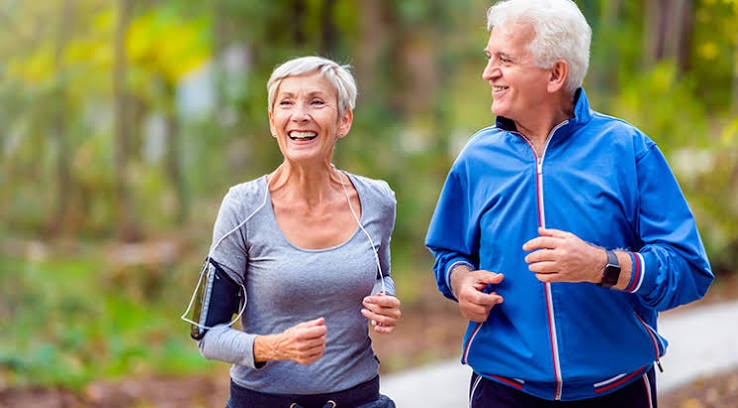
- Staying physically active through walking, stretching or other suitable exercises
- Maintaining a healthy body weight
- Getting seven to eight hours of quality sleep each night
- Drinking enough clean water
- Avoiding tobacco products
- Limiting alcohol consumption
These habits help reduce the risk of chronic diseases while supporting strength, mobility and overall well-being.
Keeping the Mind Active
Mental stimulation is essential for maintaining cognitive function as people grow older. Health experts encourage older adults to:
- Read books and newspapers
- Learn new skills or hobbies
- Solve puzzles and brain games
- Stay socially connected with family and friends
- Participate in community activities
Remaining mentally and socially active may help reduce the risk of memory decline and improve emotional well-being.
The Importance of Regular Medical Check-ups
Routine health screenings become increasingly important with age. Healthcare providers recommend regular monitoring of:
- Blood pressure
- Blood sugar
- Cholesterol levels
- Vision and hearing
- Bone health
- Cancer screening where appropriate
Early detection allows many health conditions to be treated before serious complications develop.
Preventing Falls and Injuries
Falls are a leading cause of injury among older adults. Health experts advise:
- Keeping homes free of clutter
- Installing adequate lighting
- Wearing comfortable, non-slip footwear
- Exercising to improve strength and balance
- Having regular eye examinations
Simple safety measures can greatly reduce the risk of falls and maintain independence.
Emotional and Social Well-being
Healthy ageing is not only about physical health. Maintaining strong relationships, participating in social activities and seeking support during difficult times contribute to emotional resilience and overall happiness.
Healthcare professionals encourage older adults to discuss feelings of loneliness, anxiety or depression with a qualified healthcare provider.
Conclusion
Healthy ageing is achievable through consistent healthy lifestyle choices, preventive healthcare and strong social connections. By eating nutritious foods, staying physically and mentally active, attending regular medical check-ups and maintaining positive relationships, individuals can enjoy greater independence and a higher quality of life as they age. Health experts agree that healthy ageing begins with the decisions people make every day.




