


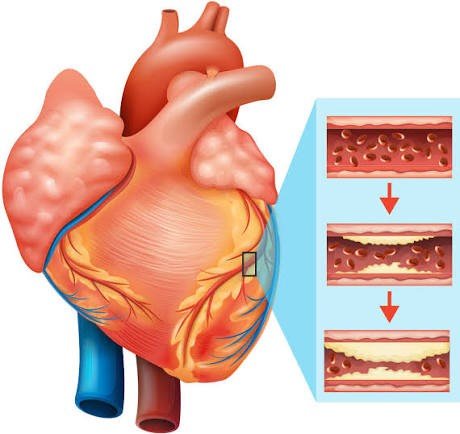
Cardiovascular disease remains the leading cause of death globally, with heart attacks and strokes accounting for millions of deaths each year. Health experts say many of these cases are preventable through healthy lifestyle choices, regular medical check-ups and early management of risk factors.
Medical professionals continue to urge individuals to pay closer attention to their heart health, emphasising that even small daily habits can make a significant difference in reducing the risk of serious cardiovascular conditions.
Understanding Heart Disease
Heart disease refers to a group of conditions that affect the heart and blood vessels. These include coronary artery disease, heart failure, irregular heart rhythms (arrhythmias) and heart valve disorders.
Over time, unhealthy habits such as poor diet, smoking and physical inactivity can damage blood vessels, making it harder for the heart to pump blood efficiently throughout the body.

Major Risk Factors
Several factors can increase a person’s risk of developing heart disease, including:
- High blood pressure
- High cholesterol
- Diabetes
- Obesity
- Smoking and tobacco use
- Physical inactivity
- Excessive alcohol consumption
- Chronic stress
- Family history of heart disease
- Advancing age
Health experts note that while some risk factors cannot be changed, many can be managed through healthier lifestyle choices.
Warning Signs That Should Not Be Ignored
Although some forms of heart disease develop gradually, certain symptoms require immediate medical attention. These include:
- Chest pain or discomfort
- Shortness of breath
- Pain spreading to the arm, neck, jaw or back
- Irregular heartbeat
- Dizziness or fainting
- Persistent fatigue
- Swelling in the legs, ankles or feet
Anyone experiencing these symptoms is advised to seek urgent medical evaluation, as early treatment can improve outcomes.
Healthy Habits That Protect the Heart
Doctors recommend adopting heart-healthy habits to lower the risk of cardiovascular disease. These include eating a balanced diet rich in fruits, vegetables, whole grains, lean proteins and healthy fats while reducing salt, sugar and saturated fat intake.
Regular physical activity, such as brisk walking, cycling or swimming for at least 150 minutes each week, also supports a healthy heart and improves blood circulation.
Maintaining a healthy body weight, avoiding tobacco products, limiting alcohol consumption and getting sufficient sleep are equally important for long-term cardiovascular health.
The Importance of Routine Health Checks
Regular medical check-ups allow healthcare providers to monitor blood pressure, cholesterol levels, blood sugar and other indicators that may increase the risk of heart disease.
Health professionals encourage adults, particularly those with a family history of cardiovascular disease, to undergo routine screening even if they feel healthy.
Managing Existing Heart Conditions
People diagnosed with heart disease are advised to follow their healthcare provider’s treatment plan carefully. This may include prescribed medications, dietary changes, regular exercise and ongoing monitoring.
Patients should never stop taking prescribed medication without consulting their healthcare provider, as doing so may increase the risk of complications.
Community Awareness and Prevention
Public health campaigns continue to promote education on heart disease prevention through healthier lifestyles, routine screening programmes and improved access to quality healthcare services. Community support and awareness initiatives also encourage individuals to recognise early warning signs and seek timely medical care.
Conclusion
Heart disease remains a major public health challenge, but many cases can be prevented through healthy living and early intervention. By maintaining a nutritious diet, staying physically active, avoiding tobacco, managing chronic conditions and attending regular health screenings, individuals can significantly reduce their risk of cardiovascular disease and enjoy longer, healthier lives.




